
House Gutting Cost for Investors
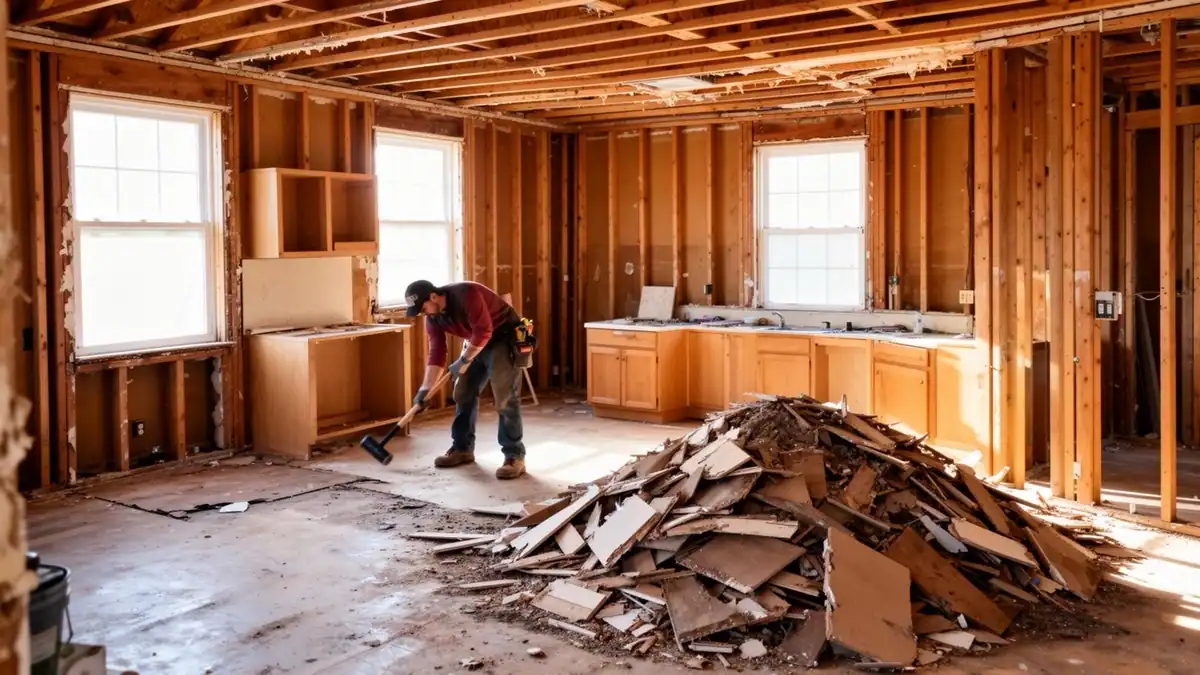
A full down-to-studs gut on a typical 1,500–2,000 square foot single-family house runs $3,500 to $8,000 including debris haul-off in most of our markets. Two-story homes with basements push higher. Newer homes with simple finishes go lower. And yes, you can do it with a DIY crew and a roll-off dumpster — but the ROI math almost always favors hiring a demolition team, especially once you start running more than one property a year.
Here's the pricing detail, the timeline, the ROI math, and the permit piece that catches new investors off guard.
What's in a typical investor gut-out scope
When we price house gutting for investors, a standard scope is:
- All drywall and ceiling material removed to the studs
- Flooring torn out — carpet, pad, vinyl, tile, laminate, or hardwood depending on scope
- Kitchen cabinets, countertops, and built-ins removed
- Bathroom fixtures, vanities, tile, and any surround material removed
- Light fixtures, ceiling fans, and surface-mounted electrical boxes removed
- Interior doors and casing removed (optional — kept if they're being reused)
- All debris hauled off in our trucks — you don't rent a dumpster or pay disposal separately
- Final broom-clean sweep so trades can walk in and start
What's not in a typical scope: roof work, siding, windows, exterior masonry, hazmat abatement (asbestos or lead — separate licensed trade), or mechanicals rough-in. Those are separate.
The real 2026 pricing by property type
- 1,000 sq ft single-story, simple finishes: $2,800 – $4,500
- 1,500 sq ft single-story: $3,500 – $5,500
- 2,000 sq ft single-story or small two-story: $4,500 – $7,000
- 2,500+ sq ft two-story with basement: $6,500 – $10,000+
- Anything with known asbestos flooring or siding: add $1,500 – $6,000 for licensed abatement (done separately from the demo)
Pricing goes up in dense urban markets with difficult access (walk-up row houses, rear-alley dumpster access, parking restrictions). Pricing goes down for investors running multiple properties on repeat work — we drop per-unit pricing for volume clients because mobilization efficiency goes up.
Timeline — what "fast" actually means
A crew of 2–3 demo workers on a 1,500 sq ft SFR will typically:
- Day 1: Gut kitchen, bathrooms, and primary bedrooms. Haul load one.
- Day 2: Finish remaining interior — flooring, ceiling, lesser rooms. Haul load two.
- Day 3: Final sweep, fixture removal, hand-off.
2–3 days total, sometimes 4 if there's a basement or obvious surprises. Anyone quoting you 7–10 days for a simple house gut is padding the schedule — or they're running a one-person crew.
Larger, more complex, or two-story properties run 4–5 days.
The ROI case against DIY
Let's be concrete. A DIY gut on a 1,500 sq ft house:
- Roll-off dumpster rental: $400–$800 (one 30-yarder; you'll likely need two for a full gut = $800-$1,600)
- Your time, or a helper's time: 5–7 days of hard labor for two people
- Disposal tipping fees if the dumpster is overweight: $100–$400 overage
- Transportation to and from the site, rental equipment (pry bars, sledges, circular saws, respirators): $200–$400
- Risk exposure: liability if a volunteer helper gets hurt, dust contamination issues, code compliance on disposal
Cash-out-of-pocket: $1,500 – $2,800 plus a full week of your time.
Hired demo: $3,500 – $5,500 all-in, done in 2–3 days, you're not on site except for the walkthrough.
The math: if your time is worth $50/hour — which most flippers would agree is conservative if they're doing this at any scale — the hired scope is cheaper than DIY even on the direct cost. And it's dramatically cheaper once you count opportunity cost of the 40+ hours you didn't spend sourcing the next deal, running contractors on an active flip, or closing paperwork.
The DIY case really only wins if:
- You're a 1-property-per-year investor who's cash-flow constrained and has unlimited time.
- You're doing partial gut work (strip one kitchen, one bath) where mobilization cost dominates a small scope.
- You have an unrelated reason to be on site every day anyway.
For anyone running 3+ flips annually, we haven't seen the DIY math work out.
Scheduling and volume pricing
If you're running a rehab portfolio, talk to your demo contractor about a repeat-client rate. We drop our per-house pricing by roughly 10–15% for investors who run 6+ properties a year with us, because we can stage equipment and crews more efficiently when we know the work is coming. We also prioritize repeat-client scheduling — which in a hot market means your $10K week of holding cost doesn't slip two weeks because a one-off project got in line ahead of you.
This is a real ROI lever. A week of reduced hold time on a flip in a $250K market is typically worth $400–$800 in carrying cost. If you do 10 flips a year and a volume-priced contractor can save you an average of half a week per flip, that's $2,000–$4,000 of hold-cost savings annually, on top of the direct per-house discount.
Permits — the thing people miss
Most jurisdictions do not require a permit for interior-only demolition when you're not touching structural walls, electrical panels, or plumbing mains. But some do, and the ones that do often enforce it hard.
Specific things to check before you pull the first pry bar:
- Some Florida counties and most municipalities in the Northeast require a demo permit even for interior work.
- HOAs in master-planned communities (including rental properties) may require approval regardless of local code.
- Historic districts almost always require a permit for any interior work visible through windows during demo.
- Some jurisdictions require disposal manifest documentation — you pay a tipping fee and save the ticket.
A competent local demo contractor will know the permit rules in your market and tell you if you need one. Ours do. If you're getting a quote and the contractor doesn't mention permits, ask. An uninsured, unpermitted gut-out sounds cheap until you're getting a stop-work order at day two of a week-long schedule.
When to hire, when to DIY
Hire if:
- You're running 3+ flips a year
- Your time has real opportunity cost
- You want the trades (plumber, electrician, HVAC) walking into a clean shell on Day 1
- The property has any asbestos / lead / mold risk
- You don't want to own the disposal logistics
DIY if:
- You're owner-occupying and the gut-out is stage 1 of a long renovation
- You want the sweat equity and don't have alternative work to fill the time
- The scope is partial (one kitchen, one bath) and doesn't justify mobilization
For a real fix-and-flip operation, the numbers favor hiring it. Our investor pricing reflects that this is production work for your business and is priced accordingly.
Fix-and-flip or rehab portfolio?
House gut-outs in 2–5 days. Volume pricing for repeat investors.
Get an Investor QuoteMore in Investor Guides
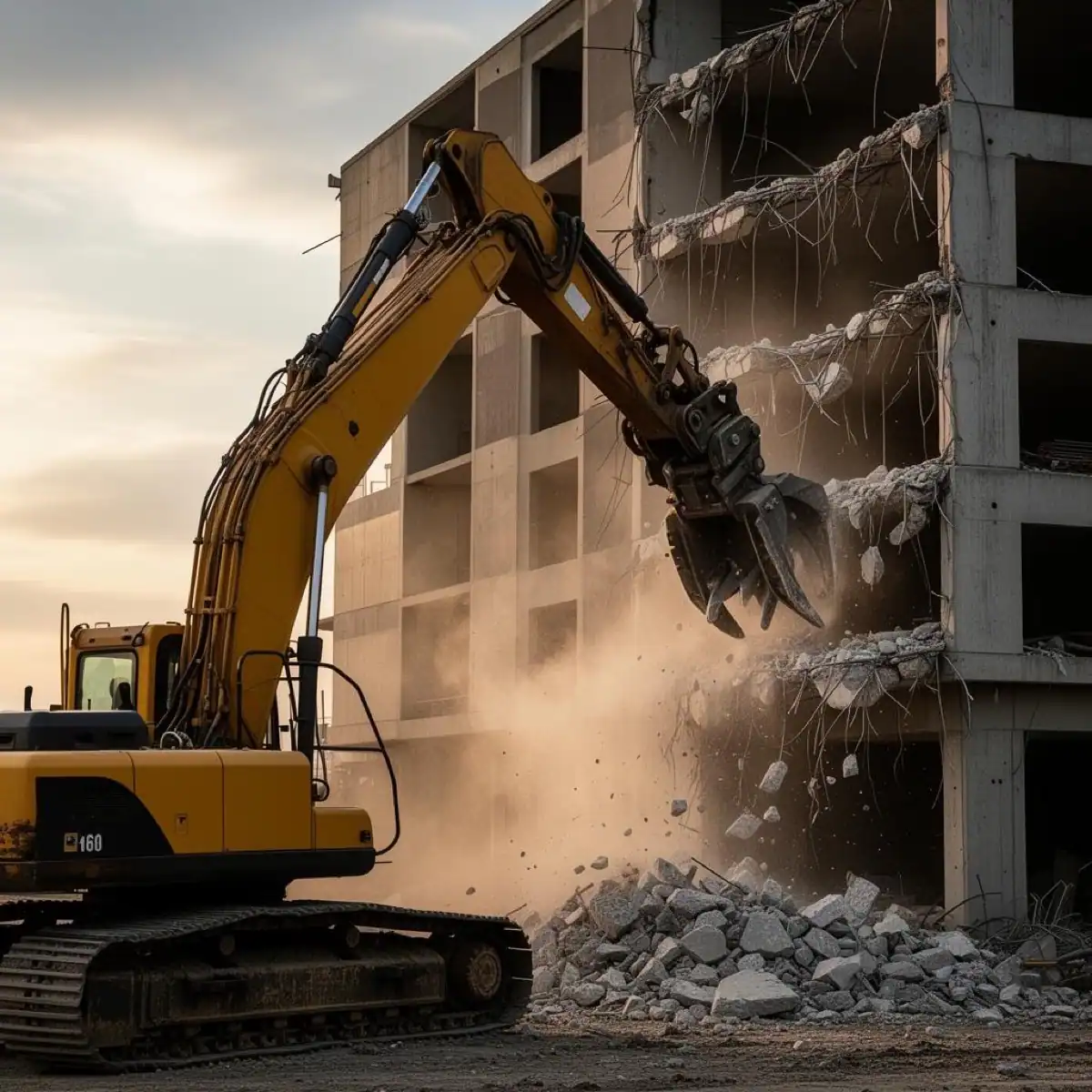
What It Costs to Get an Industrial Parcel Development-Ready
Between buying a closed plant and putting something new on it sits a set of costs that are predictable if you ask for them.
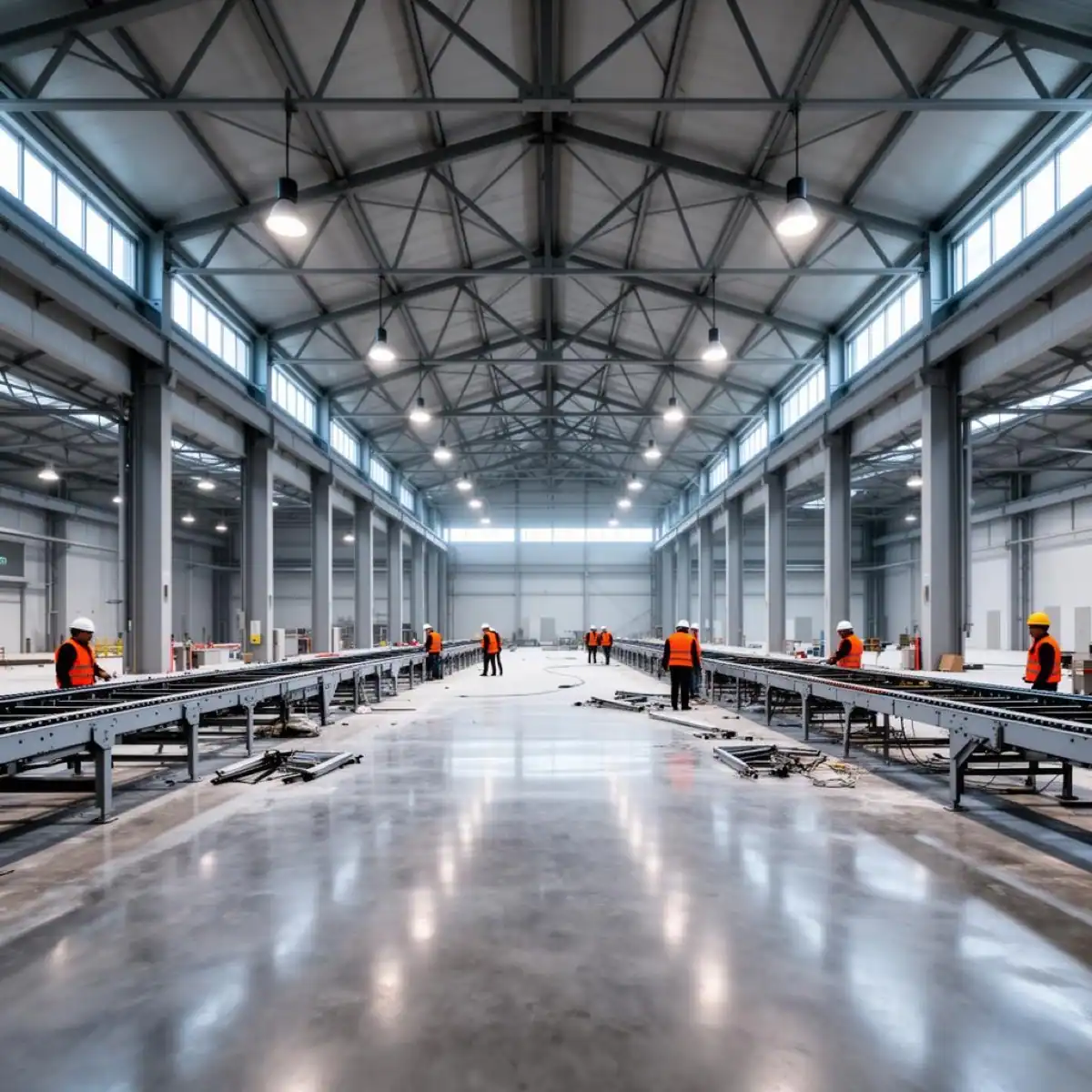
Buying a Closed Industrial Plant: What to Check First
Closed plants trade at a discount for reasons. Environmental status, structure, equipment and demolition cost decide whether the discount is real.
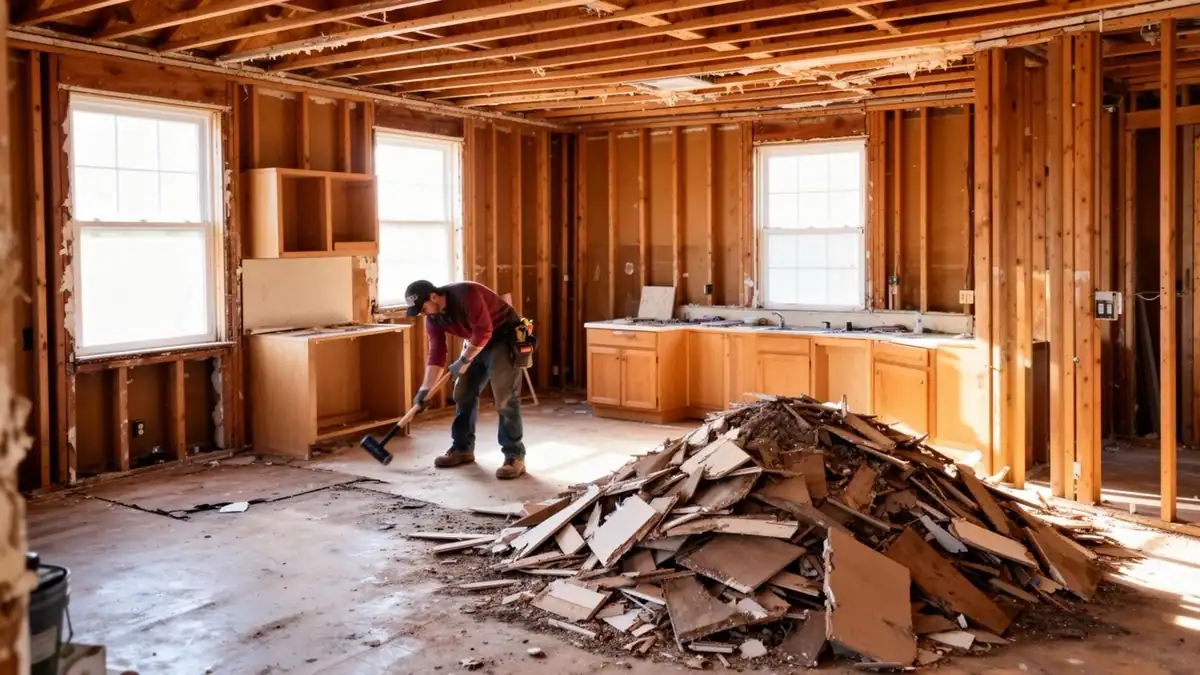
Gut Renovation Cost per Square Foot: The Demolition Half
Gut demo is priced by what has to come out and how it leaves the building — not by square footage alone. Here is how to budget the demo line on a rehab.