
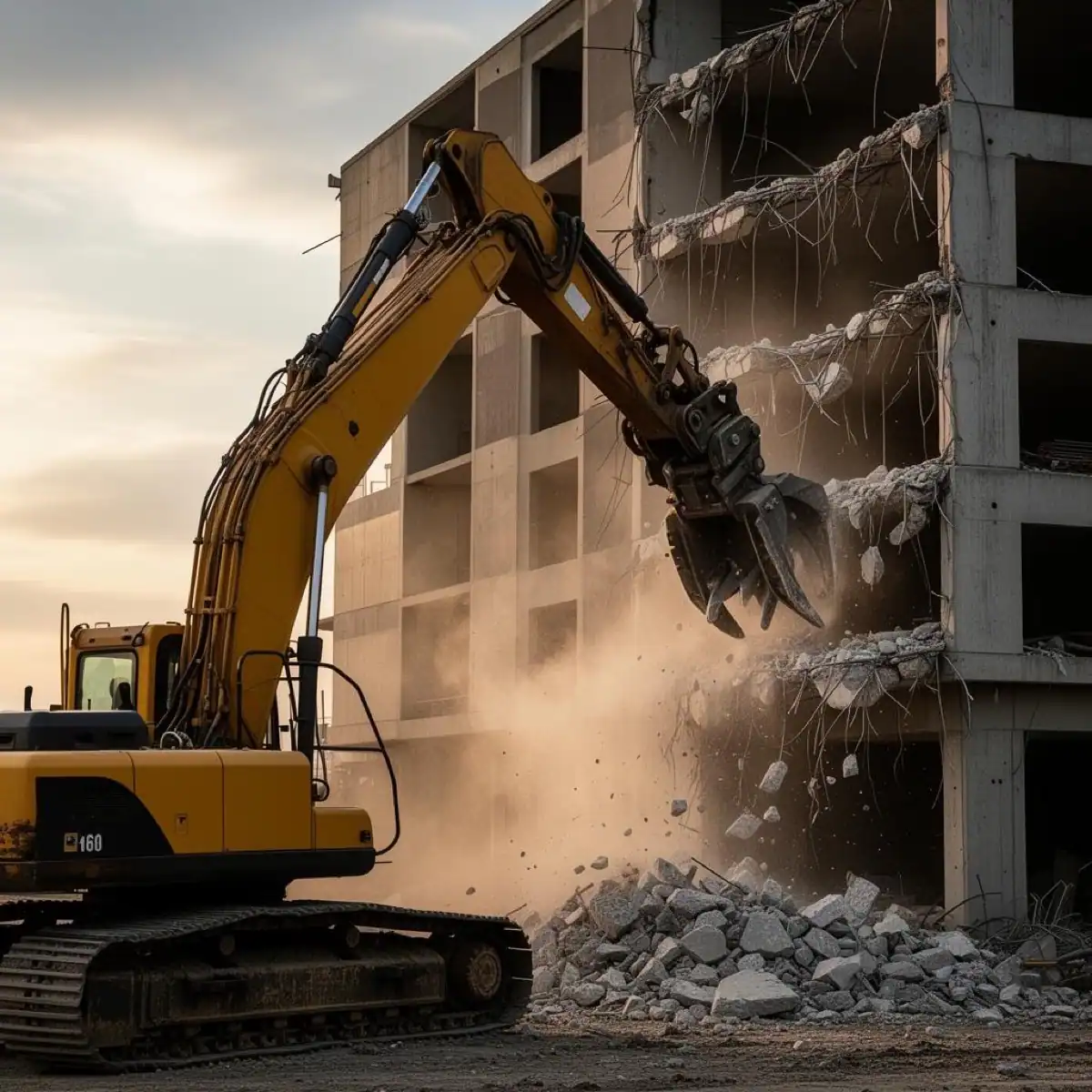
Demolition
6 min
Five Things a Demolition Contractor Should Tell You Before Signing
The information a good contractor volunteers, and the questions worth asking when they do not.
Direct, no-fluff guidance from a nationwide demolition and industrial equipment buyer. Pricing, processes, and the stuff your competitor's blog forgets to mention.
The information a good contractor volunteers, and the questions worth asking when they do not.
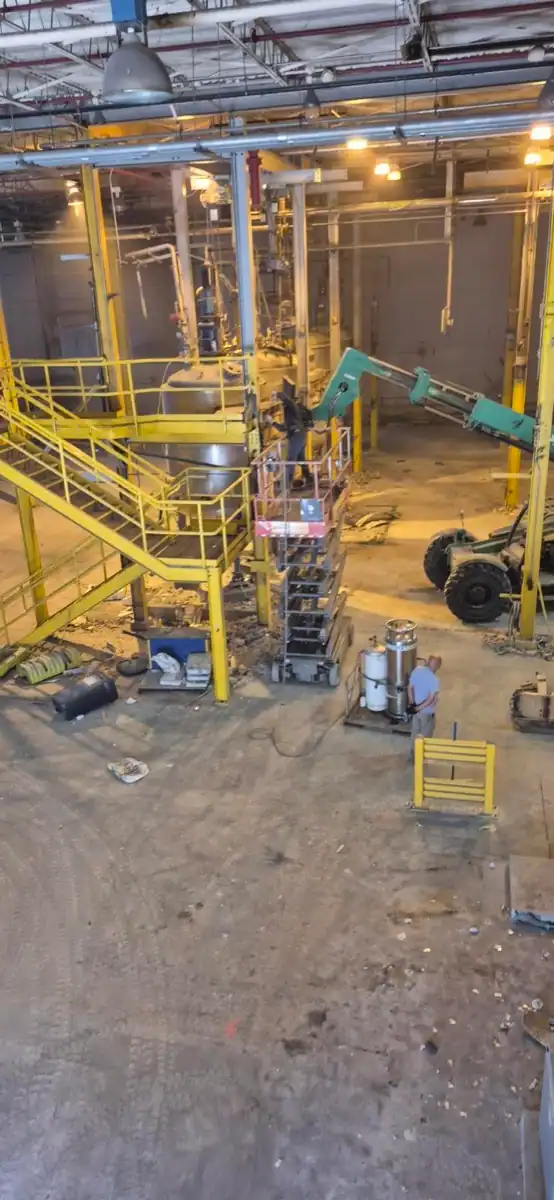
Machine tools from a closing facility can be the best value in industrial equipment, provided you evaluate wear, controls and what it takes to move.
Pressure vessel condition, jurisdiction paperwork and burner package all decide whether a used boiler is a bargain or an ornament.
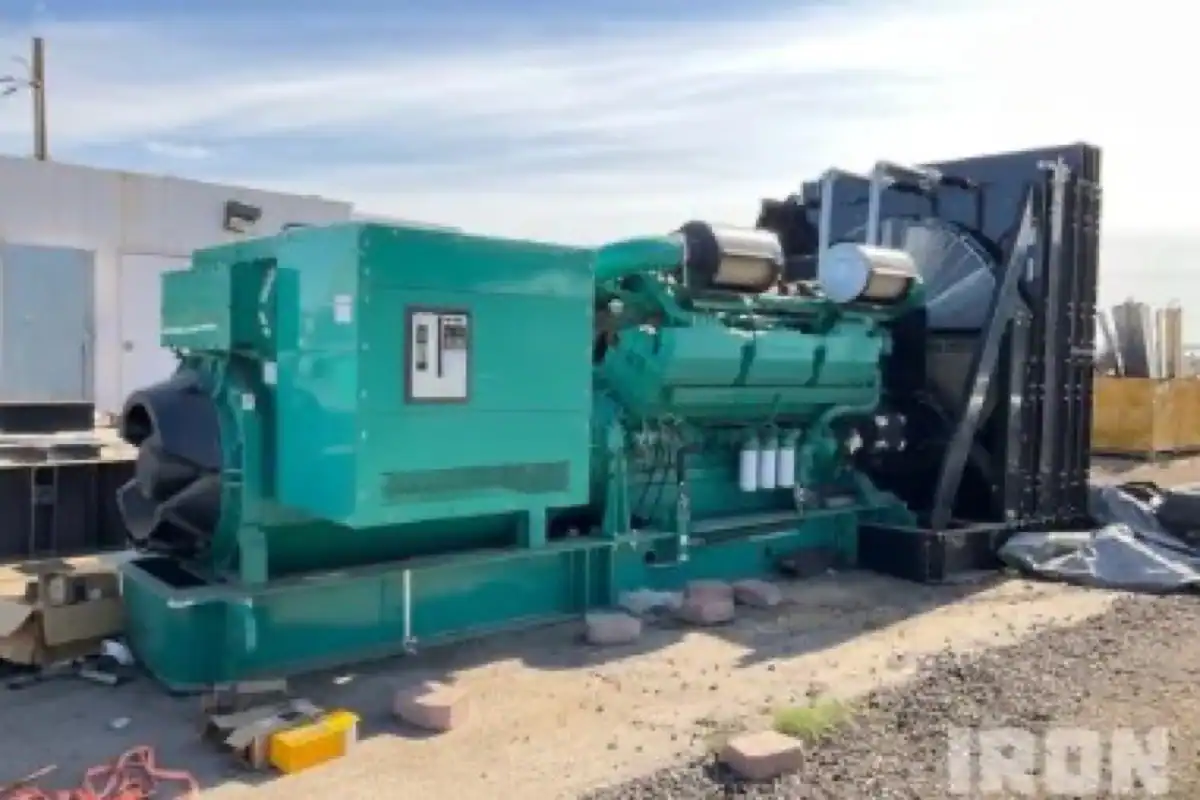
Hours mean little without a load test. What to test, what to look for, and what a generator's history tells you.
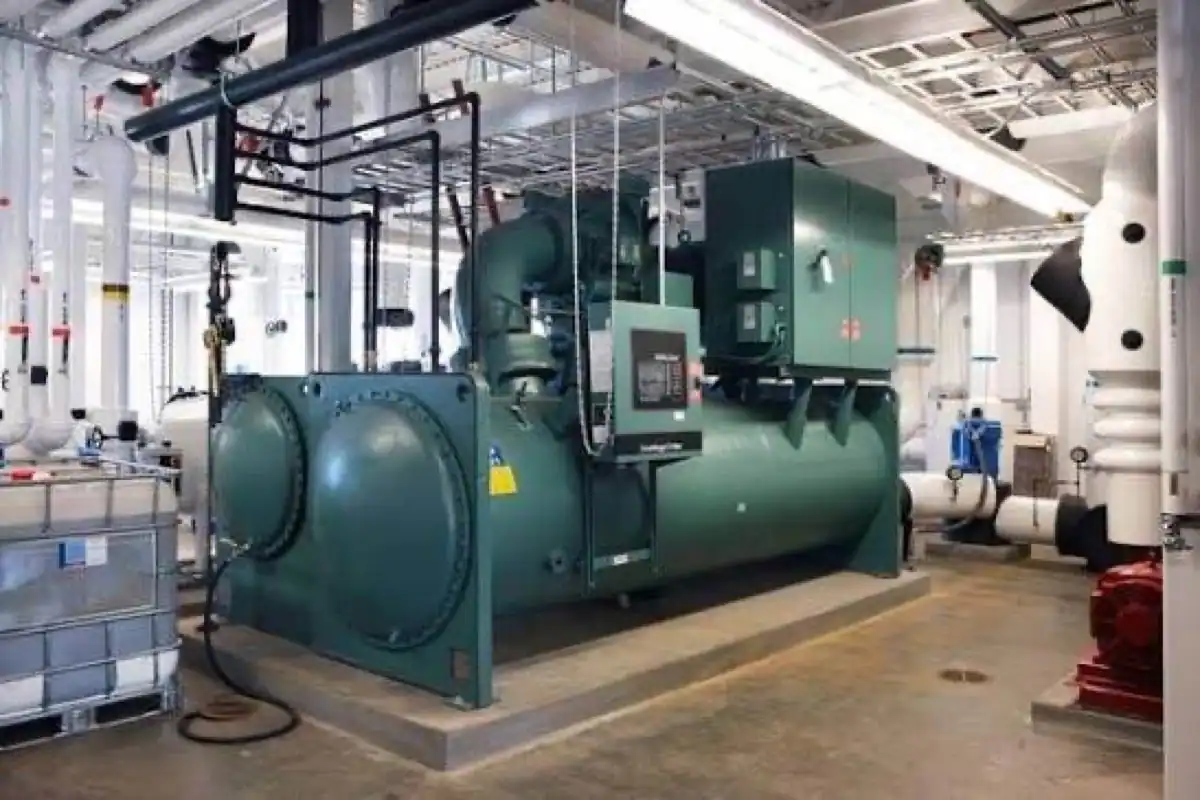
A complete central plant sometimes sells better as a system than as components. Here is how to tell which case you are in.
A buyer prices the equipment and the extraction together. What you can do about access, and what it is worth.
Between buying a closed plant and putting something new on it sits a set of costs that are predictable if you ask for them.
Age matters less than most sellers assume. Condition, documentation, removal difficulty and market depth matter more.
The permit itself is rarely the delay. It is the three documents that have to exist before the permit can be issued.
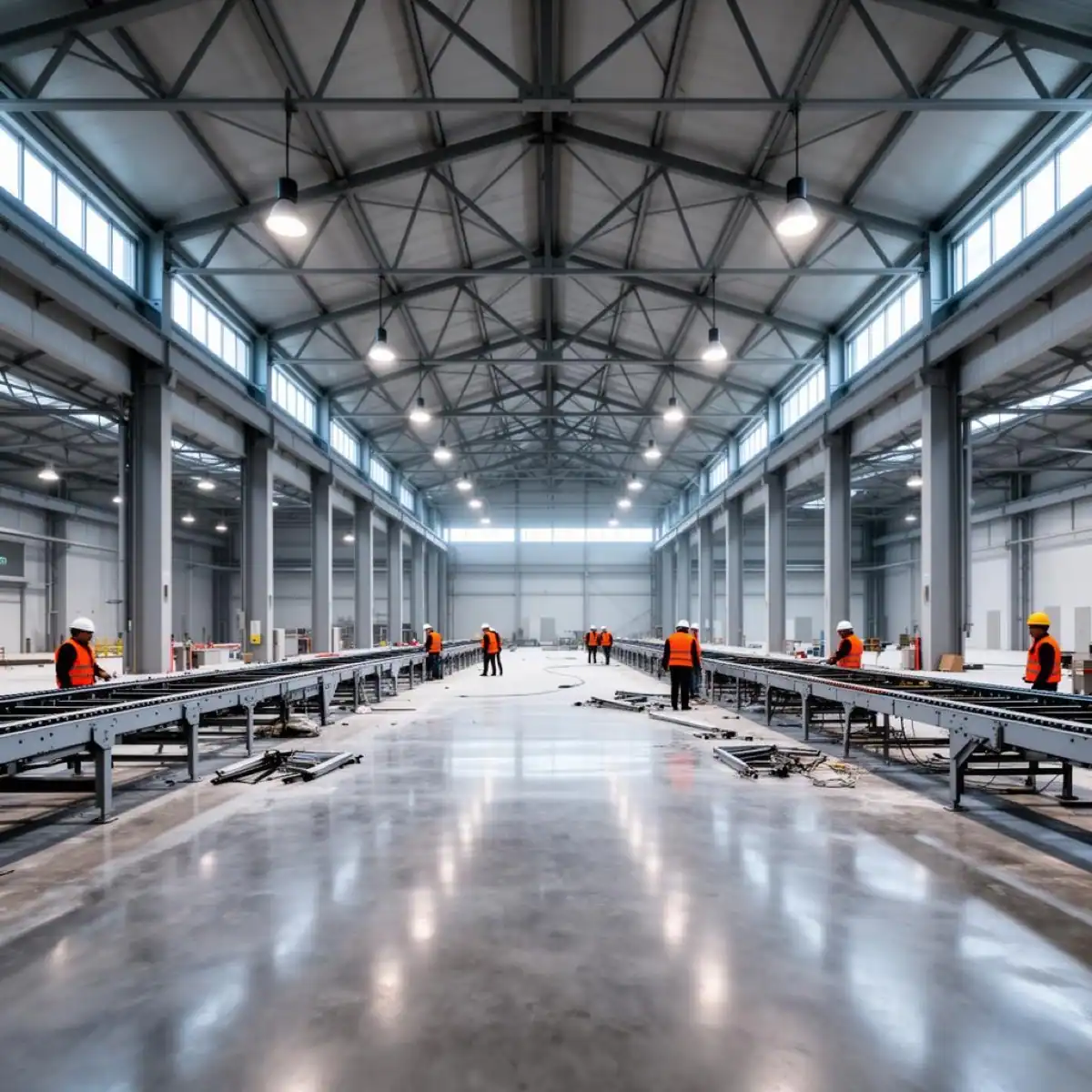
Closed plants trade at a discount for reasons. Environmental status, structure, equipment and demolition cost decide whether the discount is real.
Every energy source in a facility has to be identified, isolated and verified before removal work starts. This is the plan that prevents the serious incidents.
Capacity, span and service class are the easy part. Documentation, structural condition and installation cost decide whether it is a good buy.
Miles of pipe in an industrial facility is either a disposal cost or a recovery, depending on what ran through it and how it comes out.
Process tanks, plating lines and waste treatment systems have to be emptied, cleaned and documented before anything structural happens. The order is not negotiable.
From decision to cleared site, a full facility decommissioning runs on a longer timeline than owners expect, and the front end is where it is decided.
Material handling equipment is worth substantially more disassembled than cut apart. That is a planning decision made before anyone starts.
Clean rooms come apart in a specific order, and the valuable part is usually the air handling rather than the panels.
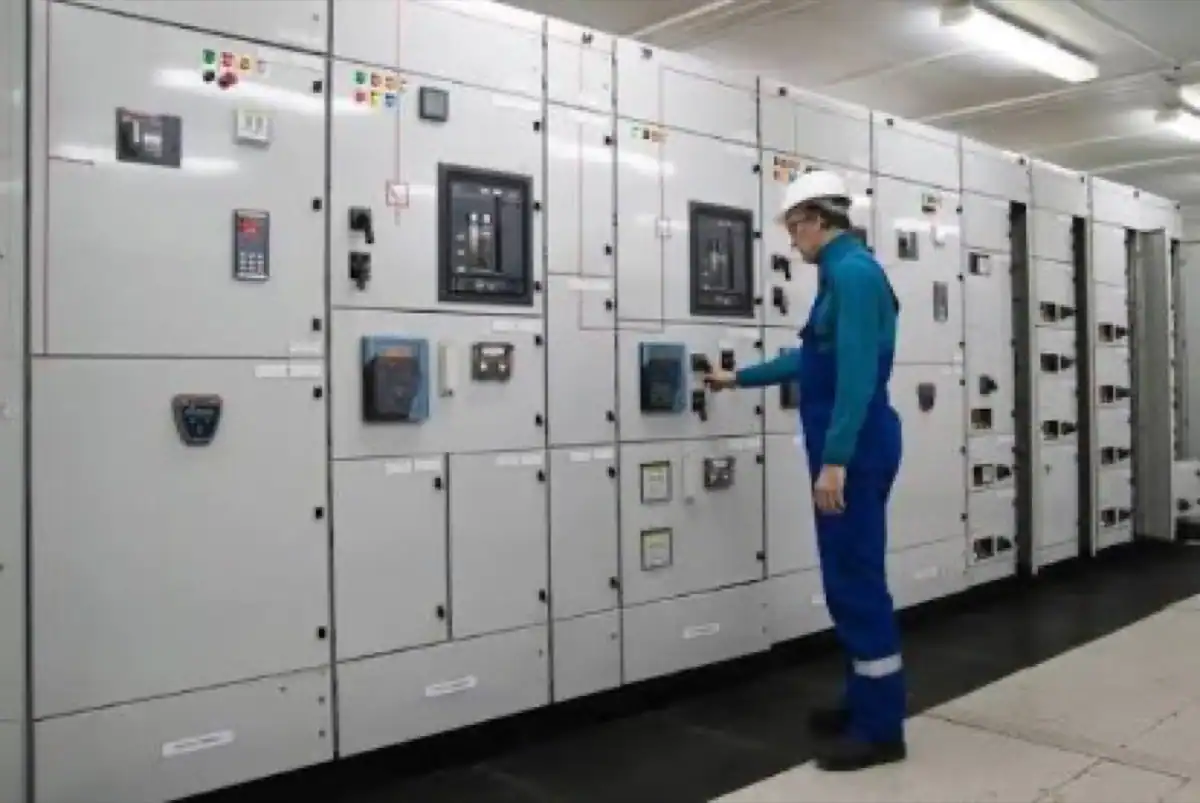
Lead times on new MCCs made the used market serious. What to check on buckets, structure, and whether parts still exist.
Hours, maintenance history, airend condition and what it was fed. What to check before buying a used rotary screw or reciprocating compressor.
Ammonia systems are the most demanding refrigeration decommissioning there is. What the process actually requires, and why it cannot be compressed.
Vibration, dust, noise and structural risk all change when there is an occupied building on the other side of the wall. What a proper adjacent-structure plan contains.
Electric, gas, water, sewer and telecom all have to be formally disconnected before demolition, and the utilities work to their own schedule. Start early.
A buried tank is not a demolition item. It has its own regulatory closure process, and starting it late is what stalls redevelopment projects.
Older industrial steel was painted with lead-based coatings. That changes the demolition method, the worker protection, and the scrap value.
Foundations, slabs, pits and below-grade structures are a separate scope from the building above them, and the most common gap in a demolition contract.
Water is the default answer and it is only half of one. Here is what dust control actually requires on a commercial demolition site, and where it goes wrong.
Concrete, steel, non-ferrous metal and wood all have destinations better than a landfill. Achieving a high diversion rate is a sequencing decision.
Most demolition disputes trace to a scope that was too thin to answer the question in dispute. Here is what belongs in one.
The safety plan is the most honest document a demolition contractor produces. Here is how to tell a real one from a template.
On a large enough job, crushing clean concrete on site removes most of the trucking from the budget. Here is where the break-even sits.
Warehouse demolition is priced by square foot, structure type, and what has to be hauled. Here is how a Florida warehouse teardown actually gets quoted.
Every Florida demolition needs a permit, an asbestos survey, and utility disconnects signed off. Here is the sequence that keeps a project from getting red-tagged.
Slab removal is priced by tonnage, thickness, and reinforcement — not by square foot alone. Here is what drives the number and when you can leave the pad in place.

Most of a commercial demolition schedule is spent before a machine moves. Here is a realistic timeline from decision to graded site, phase by phase.
Selective demolition keeps the structure and removes what is inside. Full demolition takes everything. The choice drives permits, cost, and schedule.
No Florida commercial demolition permit moves without an asbestos survey. Here is what gets sampled, what abatement adds, and how to keep it off the critical path.
Metal buildings are the cheapest structures to demolish and the only ones where scrap value regularly offsets a real share of the bill. Here is the math.
Tanks and silos are cleaning jobs before they are demolition jobs. Residue, confined space, and vapor control drive the price more than the steel or concrete does.
The cheapest demolition bid is often the one with the thinnest coverage. Here are the specific certificates, limits, and endorsements worth checking first.
Jacksonville's port, rail, and manufacturing stock generates steady industrial teardown work. Here is what drives cost and schedule in Duval County.
The Sarasota–Bradenton corridor mixes Port Manatee industry with fast redevelopment. Here is how teardown and equipment recovery work on the Suncoast.
Ocala's distribution boom is replacing older industrial and agricultural buildings. Here is how those teardowns get scoped, permitted, and offset by equipment value.
A warehouse cleanout is priced by volume and sorting labor, and offset by whatever is worth selling. Here is how to scope one and what changes the number.
Refrigerated facilities carry regulated refrigerant, insulated panel waste, and genuinely valuable equipment. Here is how a cold storage shutdown gets done right.
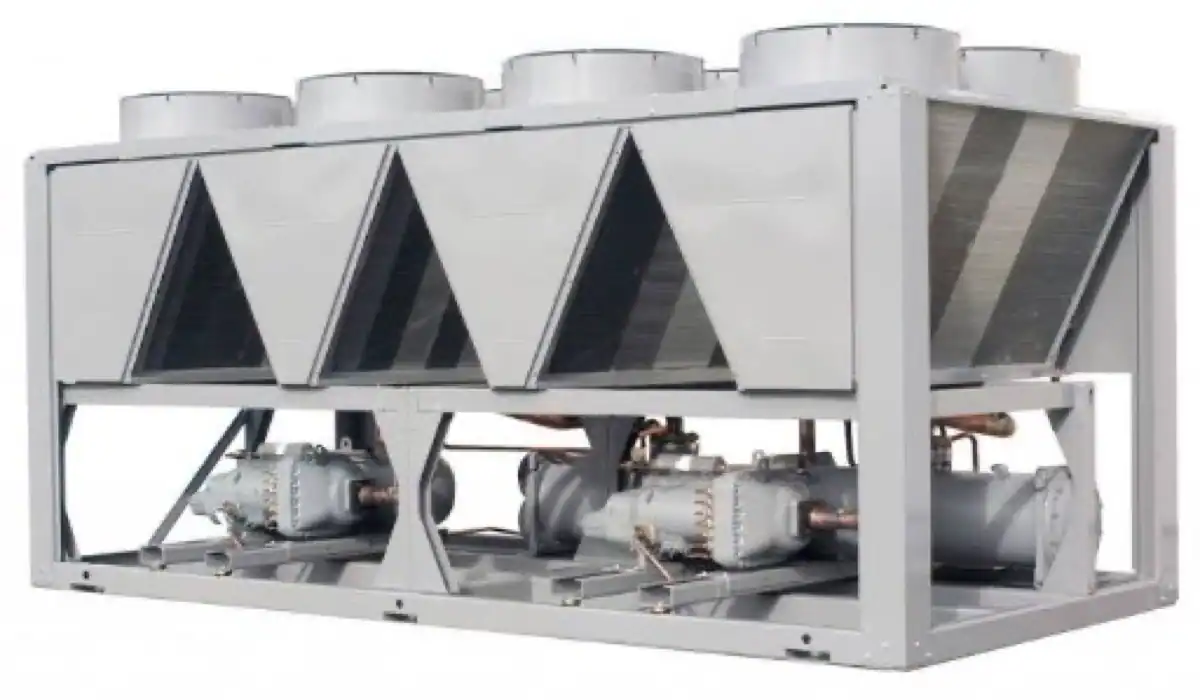
You cannot legally demolish a building with charged cooling equipment in it. Here is what Section 608 requires, who signs it off, and what the refrigerant is worth.
After a storm, the order of operations decides how much of your facility is recoverable. Here is how to triage an industrial building without destroying your claim.
Moving a plant means deciding, machine by machine, what is worth relocating. Here is how that call gets made and what to do with everything that stays.
Vague scopes produce uncomparable bids and change orders. Here is exactly what a decommissioning SOW needs to specify to get real numbers from real contractors.
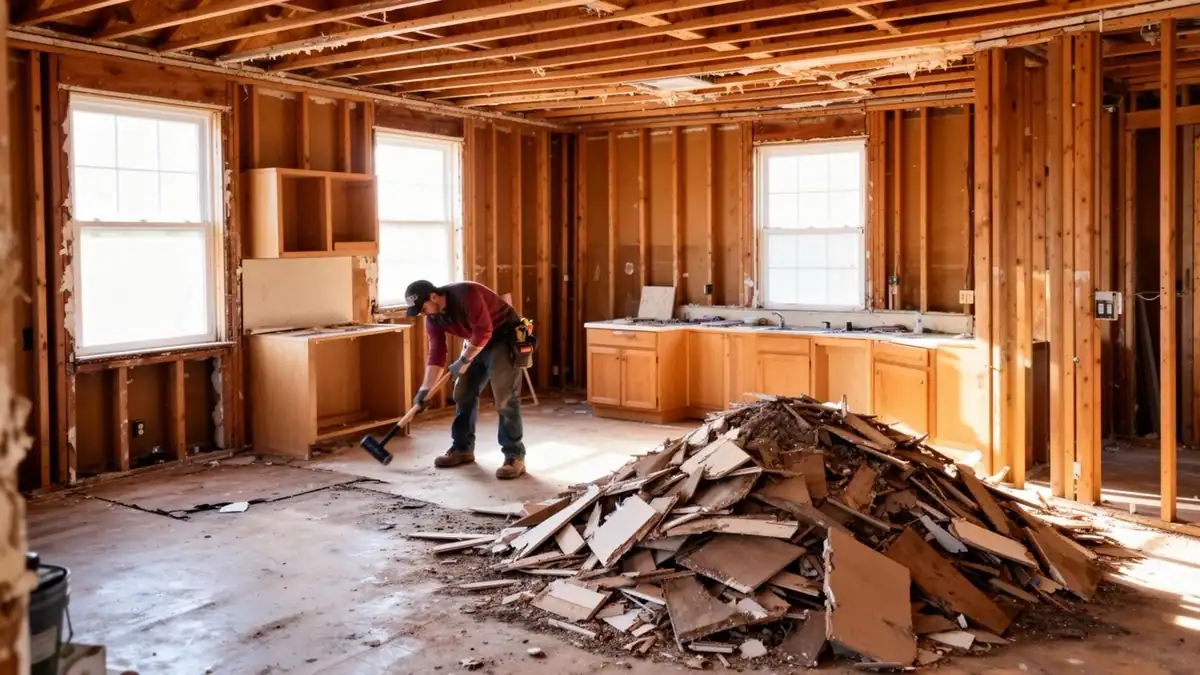
Gut demo is priced by what has to come out and how it leaves the building — not by square footage alone. Here is how to budget the demo line on a rehab.
A full gut on a typical house is a two-to-five-day job with the right crew — and a three-week job with the wrong one. Here is what sets the pace.
On a heavily affected property, gutting is often cheaper and more certain than remediation. Here is where the line sits and how the two scopes interact.
Commercial value-add deals live or die on the strip-out budget. Here is how to underwrite demolition, abatement, and equipment recovery before you close.
TI demo is the fastest way to lose money on a lease turn. Here is how to scope a strip-out, who pays for what, and what restoration clauses actually require.
Rotary screw compressors hold value well if the hours and service records are there. Here is what buyers pay for and how to get an accurate offer fast.
Pumps are the most commonly scrapped valuable equipment in a plant closure. Here is which ones carry real resale value and what buyers need to know.
Large custom air handlers hold value; small units usually do not. Here is where the line sits and how to get an offer on a building's air-side equipment.
A used rotary screw compressor at half the price of new is one of the best buys in industrial equipment — if you check the right things before you commit.
Used pumps are cheap, plentiful, and easy to buy wrong. Here is how to match a pump to your duty point and inspect one before it ships.
MCCs are long-lead items where used gear genuinely wins. Here is how to match buckets, verify condition, and avoid buying a lineup you cannot get parts for.
Pinellas is built out, which makes demolition here a redevelopment business. Here is what drives cost on a tight peninsula with aging industrial stock.
Florida is one of the best markets in the country to buy a used commercial chiller. Here's where the units come from, what they cost, and how to buy one without getting burned.
How to tell whether a piece of industrial equipment is worth more as scrap metal or as a working resale asset — and why the gap between the two is usually huge.
Before you buy a used chiller in Florida, know these things: the climate math, the refrigerant traps, the rigging cost, and how to tell a good unit from a repainted one.
Real ballpark prices for used commercial chillers by tonnage, type, refrigerant, and condition — plus the hidden costs that turn a cheap unit into an expensive one.
A field-tested checklist for buying a used commercial chiller — nameplate data, run history, inspection points, refrigerant, rigging, and paperwork. Print it before you buy.
The mechanical inspection points that actually predict whether a used chiller will run another 15 years — tube bundles, compressor oil, controls, and the stuff paint hides.
As-is gear is cheaper up front but carries all the risk. Reconditioned costs more and de-risks the buy. Here's how to decide which is the better deal for you.
The math behind why selling a facility's equipment before demolition can cut the net cost dramatically — and how to run recovery and demolition as one deal.
Reconditioned costs more than as-is used — but which one is actually right for you depends on whether you have a service crew and how much downtime risk you can take.
York, Carrier, Trane, McQuay, Daikin, Multistack, Johnson Controls — which used chiller brands hold up, which are easy to service, and which to buy for your application.
Used switchgear is a huge value when it's clean and a liability when it isn't. Here's the inspection that tells the difference before you buy and energize.
The factors that actually move the cost of decommissioning an industrial plant — hazmat, equipment density, structure type, and how asset recovery pulls the net down.
Air-cooled or water-cooled? The right used chiller depends on your tonnage, your site, your water access, and — in Florida — how hard the salt air and humidity hit.
Bigger isn't safer. Here's how to size a used chiller to your real load — including the Florida humidity factor that makes oversizing an expensive mistake.
Centrifugal chillers are the workhorses of big commercial cooling. Here's what to check, what to pay, and how to buy one used without inheriting someone else's problem.
Buy a transformer too small and you cook it, too big and you waste money every hour it runs. Here's how to size kVA to your real load before you buy used.
How to run the equipment sale side of a facility closure so asset recovery offsets demolition cost — sequencing, buyer timing, and the mistakes that cost real money.
Screw chillers own the mid-tonnage range and shine on part-load. Here's what to inspect, what a used one costs, and how to buy one without inheriting a worn rotor set.
The refrigerant inside a used chiller tells you how future-proof it is. Here's a plain-English guide to R-134a, R-1234ze, R-513A, R-22, and R-123 for buyers.
The sticker price is only half the story. Here's what rigging, delivery, connection, and Florida sales tax really add to a used chiller install — with real numbers.
Miami runs its chillers year-round — hotels, hospitals, condos, and ports never stop cooling. Here's where to source used units and what to pay in the 305.
A tower and a chiller only work as a pair. Here's how to match condenser flow, heat rejection, and approach so a used tower doesn't bottleneck a healthy chiller.
A practical guide to selling used low- and medium-voltage switchgear, MCCs, and panelboards — what buyers pay for, how to document it, and how removal is priced.
Orlando's theme parks, hospitals, hotels, and data centers run enormous cooling loads. Here's where to source used chillers and what to pay in Central Florida.
Tampa Bay's hospitals, port, universities, and downtown towers run heavy cooling loads. Here's where to source used chillers and what to pay on the Gulf coast.
How to estimate the resale value of a used cooling tower — material, tonnage, fill condition, and mechanical package — and when it beats scrapping the unit.
Winter Haven's citrus, cold-storage, and manufacturing base keeps quality used chillers, cooling towers, and transformers moving. Here's how to buy local and buy smart.
Jacksonville's port, hospitals, logistics base, and downtown towers run big cooling loads. Here's where to source used chillers and what to pay in Northeast Florida.
Fort Lauderdale's hotels, hospitals, cruise port, and marine industry run cooling year-round. Here's where to source used chillers and what to pay in Broward County.
Auctions, brokers, HVAC contractors, or direct-from-decommissioning. Here's where used chillers actually come from in Florida and which channel gets you the best unit for the money.
What actually drives the resale value of a used transformer — kVA, voltage class, copper vs aluminum windings, oil condition, and how a direct buyer prices it.
Lakeland's manufacturing and cold-storage base makes it a strong source of used chillers, transformers, and cooling towers. Here's how to buy local and what's worth it.
The right questions separate a great used chiller from an expensive mistake. Here are the 20 we'd ask any seller before wiring a dollar.
Some used chillers come with real coverage, some are strictly as-is, and knowing the difference protects your capital. Here's how used-chiller warranties actually work.
A step-by-step guide to selling a used pad-mount, substation, or dry-type transformer for real resale money — nameplate data, PCB testing, and removal logistics explained.
Warehouses and plants don't need hospital-grade redundancy — they need reliable tonnage at a sane price. Here's how to buy a used chiller for industrial space in Florida.
Florida hotels run their chillers hard, year-round, in humidity that never quits. Here's how to buy a used chiller that keeps guests cool without blowing the capital budget.
Crossflow and counterflow towers move air through the water two different ways, and it changes footprint, pumping cost, and maintenance. Here's how to size and pick a used one.
Data centers punish weak cooling. A used chiller can work here, but only with the right redundancy, controls, and run history. Here's how to buy one that holds up.
Process chillers cool machines, not people, and that changes everything about how you buy one. Here's what actually matters for used process cooling in Florida.
Some used chillers are a steal. Others are a compressor failure waiting for a new owner. Here are the 10 warning signs that should slow you down or kill the deal.
Oil-filled and dry-type transformers solve different problems on the used market. Here's how to pick the right construction for your load and inspect one before you wire money.
New chiller quotes stopped at the sticker price. Here's the real, all-in cost comparison between new and used commercial chillers, including the numbers salesmen skip.
The chiller price is only half the job. Here's what delivery and rigging a used chiller actually costs in Florida, plus the permit, weight, and access details that blow budgets.
"Ran when pulled" is not a test. Here's exactly how we test a used chiller before we sell it — megger readings, oil analysis, and the checks that separate a good unit from a gamble.
Used cooling towers are one of the best value buys in Florida industrial cooling. Here's what BAC, Marley, and Evapco units cost used, and what to inspect before you buy.
Used air handlers are cheap, plentiful, and easy to buy well — if you match the airflow and coil to your system. Here's what AHUs cost used and what to inspect first.
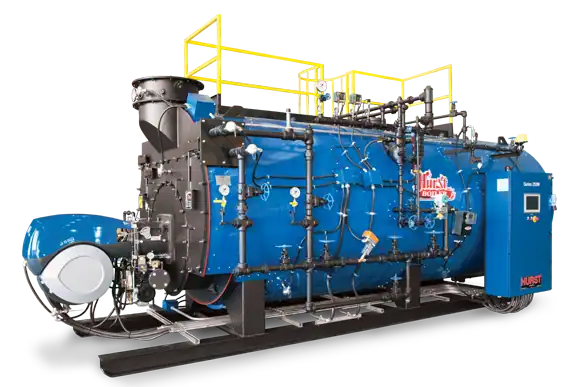
Used industrial boilers can save 50 percent or more over new — if the pressure vessel is sound and the paperwork is right. Here's what Cleaver-Brooks and Fulton units cost used.
In Florida, backup power isn't optional — it's hurricane insurance. Here's what used industrial generators cost, which brands hold up, and what to check before you buy.
Used switchgear and transformers can save a fortune over new — with long lead times avoided entirely. Here's what Square D, Eaton, and ABB gear costs used and what to verify.
Used transformers are one of the best-value buys in a plant decommissioning. Here's how to read the nameplate, avoid PCB and winding problems, and pay the right number.
Chillers, cooling towers, air handlers, and boilers pulled from Florida plant decommissionings sell for a fraction of new. Here's what to buy and how to buy it right.
A closing plant is full of serviceable equipment priced to move. Here's how to buy it smart — sourcing, testing, rigging, and timing before the doors lock.
Your old chiller is worth more than the scrap yard will tell you. Here's what actually drives the number and how a direct buyer prices it versus a broker.
Selling a chiller in Florida is faster than most operators think. Here's the whole process — pricing, photos, rigging, and getting paid on pickup day.
Decommissioning a chiller the right way protects its resale value. Here's the sequence — refrigerant recovery, disconnection, and what NOT to touch.
Removal and rigging is the line item that quietly sets your chiller's net value. Here's what it actually costs and why a direct buyer folds it into the offer.
The scrap yard's copper-weight quote is the floor on your chiller's value, not the ceiling. Here's how scrap actually prices out and when resale beats it.
What a used industrial generator is actually worth, how buyers price them, and how to run the sale so you keep the resale premium instead of scrapping it.
Used cooling towers hold more resale value than most sellers expect. What drives the number for BAC, Marley, and Evapco units, and how to sell without scrapping them.
How industrial plant decommissioning actually runs in Florida — the sequence, hazmat awareness, and how selling recoverable equipment offsets the demolition bill.
What industrial equipment removal really involves in Florida — rigging, disconnect, transport, and how selling the equipment can turn a removal cost into a payout.
When a plant closes, its equipment takes one of four paths. Which one you choose decides whether you leave with a check or a demolition bill.
Timing matters. Selling your equipment during the shutdown — not after — is how you turn a decommissioning cost center into a source of cash.
Real commercial demolition cost ranges for Florida — interior strip-out per square foot, full-building projects, permits, and the salvage credit that lowers the bill.
Straight demolition clears the site. Equipment salvage can pay you. Here's how the two compare on real numbers — and why doing them together beats either alone.
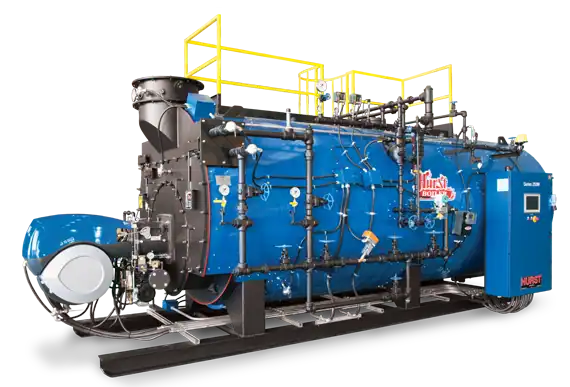
Three types of buyers exist for used industrial boilers, and only one of them is likely to give you a number that reflects what the equipment is actually worth.

Interior demo runs $2-$7 per sq ft for most commercial work and $3-$8 per sq ft for residential gut-outs. Here's what moves the number up and down.
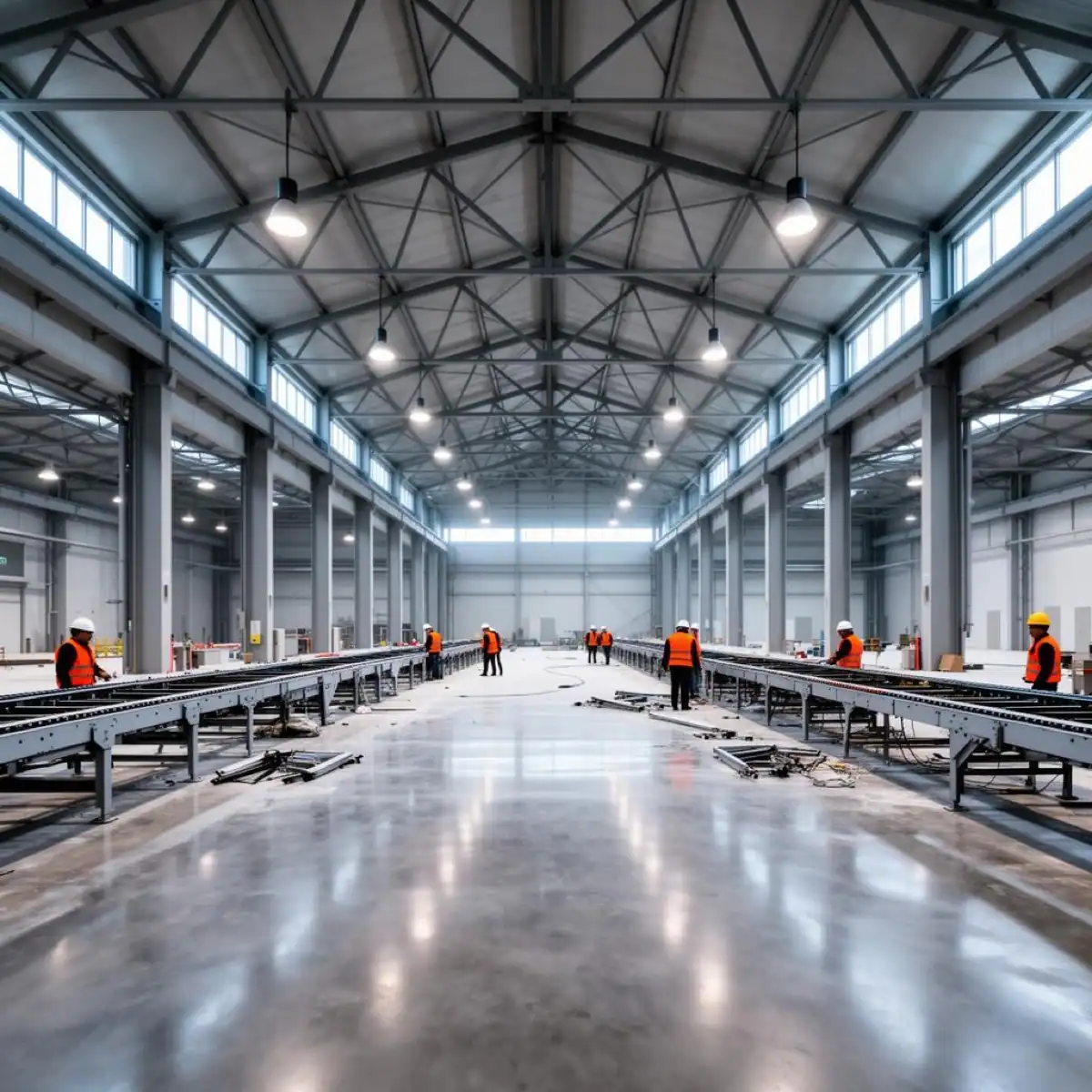
A practical checklist for decommissioning a manufacturing or industrial facility — covering stakeholders, equipment, hazmat, salvage vs scrap, and cleanup phases.
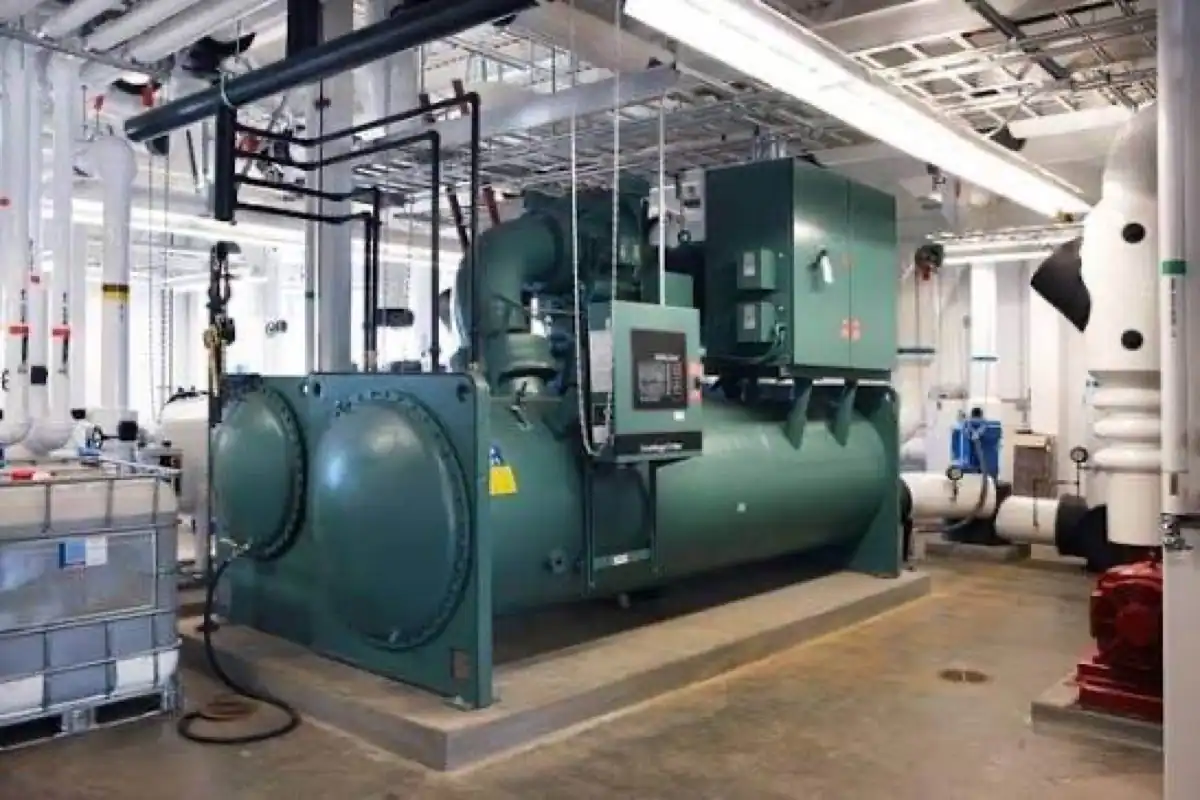
A running 500-ton chiller is worth real money. A non-running one still has value. Here's how to price it, photograph it, and sell it fast.
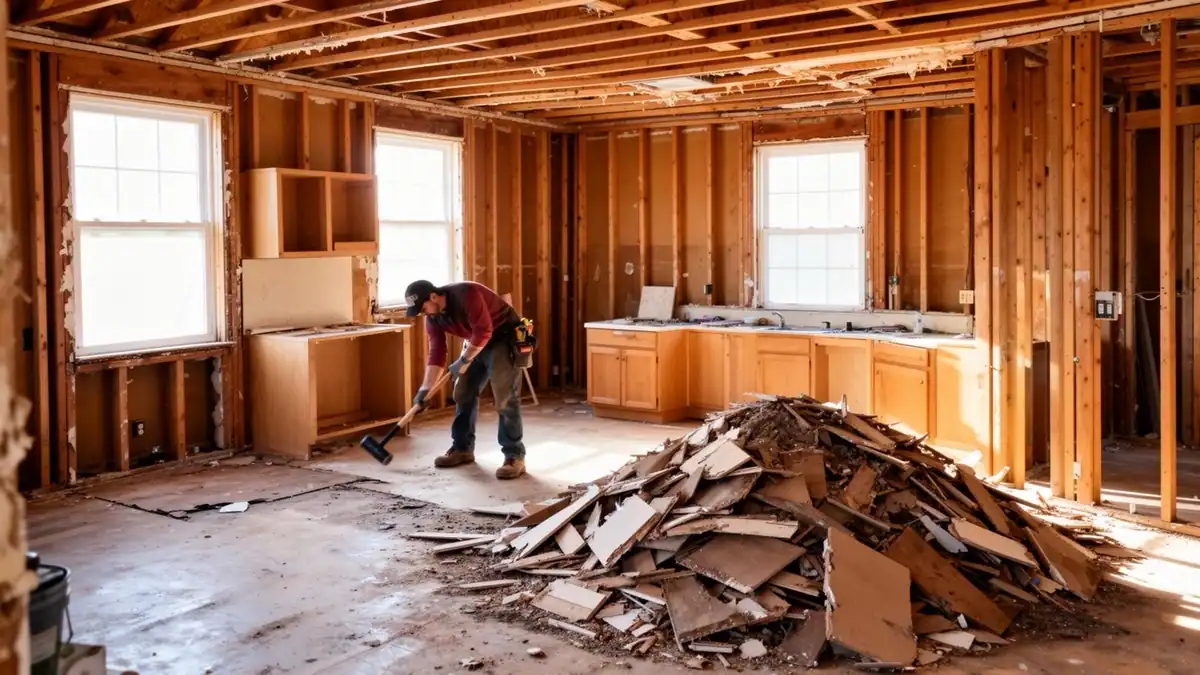
A typical fix-and-flip gut-out runs $3,500-$8,000 and clears in 2-5 days. Here's the real math on when to hire it out vs DIY, and what a proper scope includes.
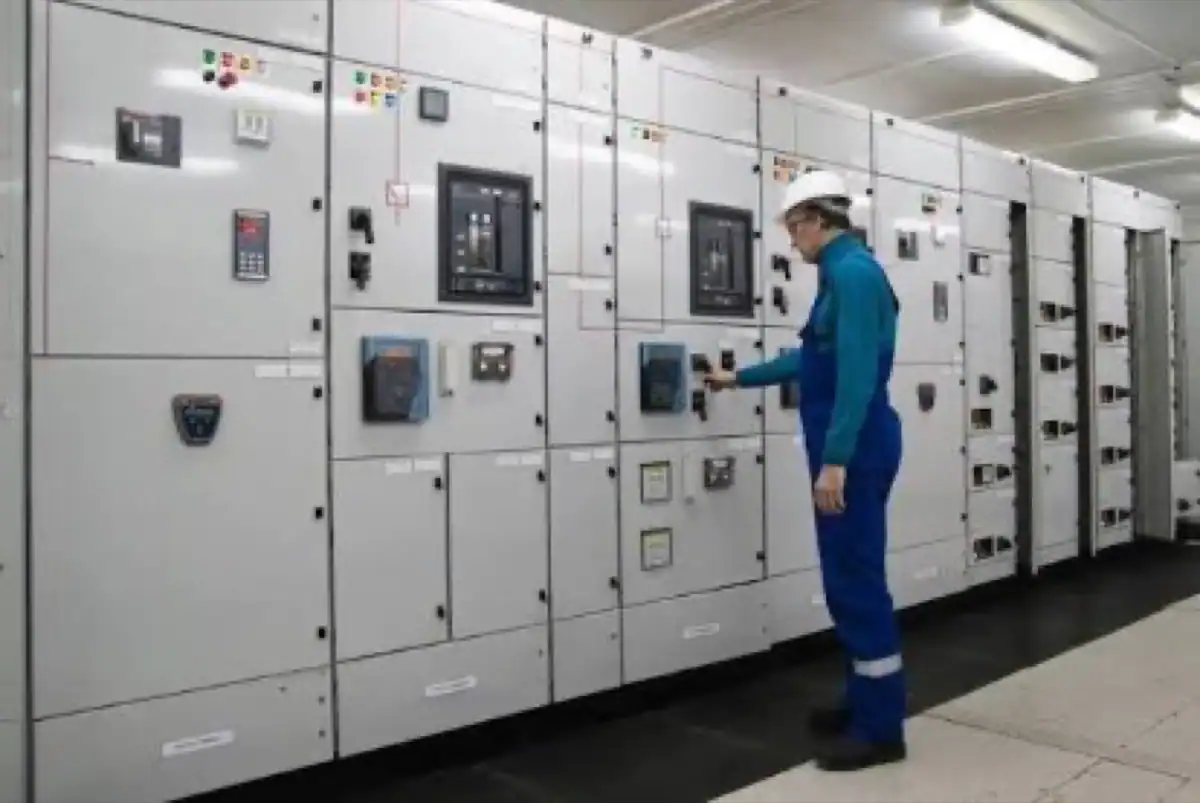
Voltage class, manufacturer, condition, age, and documentation — in that order. Here's how each one moves an offer on used switchgear, MCCs, and transformers.
Nationwide pickup on equipment. Full demolition and cleanup scopes. One call.