
Do Used Chillers Come With a Warranty?
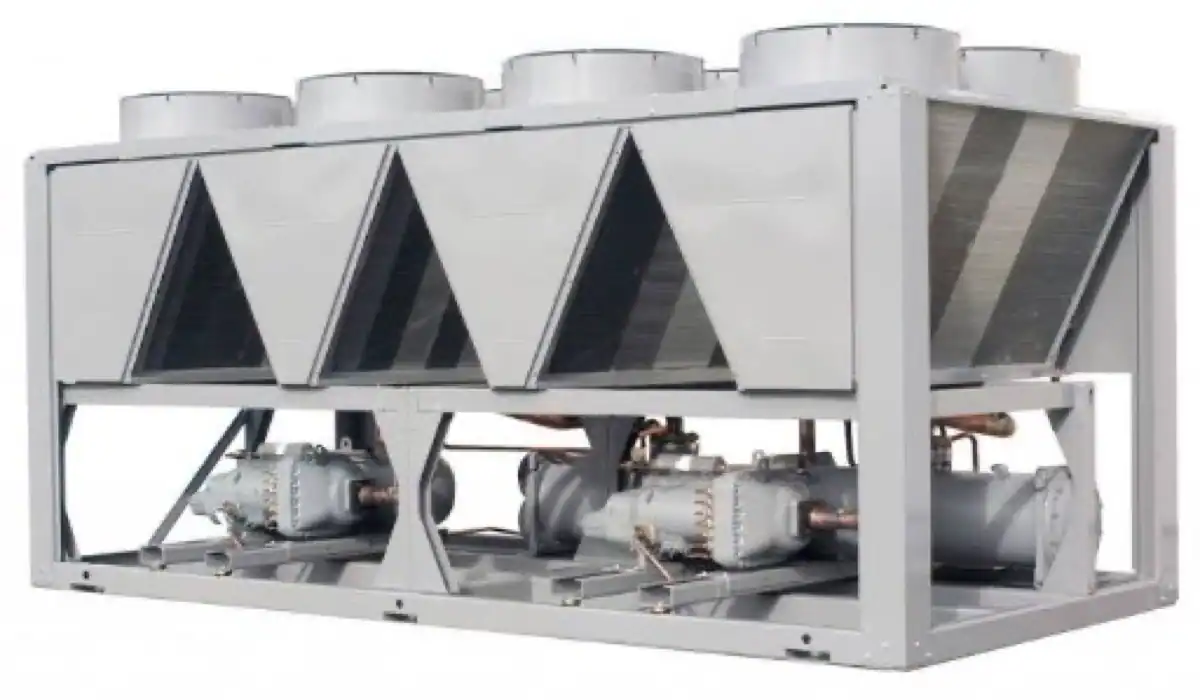
The short answer: sometimes, and it depends entirely on what you're buying and who you're buying it from. A used chiller can come with anything from zero coverage to a full parts-and-labor startup warranty, and the price reflects which one you're getting. Confusing "tested" with "reconditioned with a warranty" is one of the more expensive mistakes we see buyers make.
We buy and resell industrial chillers, so we deal with warranty questions on nearly every transaction. Here's how coverage actually works in the used market, what each level protects, and how to make sure you're not paying reconditioned prices for as-is risk.
The three levels of used-chiller coverage
As-is, where-is. The most common way used chillers sell — especially at auction and through take-out channels. You get the machine, no promises. Price is lowest here, but so is your protection. As-is is fine for a knowledgeable buyer inspecting a running unit; it's a gamble on a machine that hasn't run in years. If a seller offers only as-is on an older unit, price it like the red flags guide describes.
Tested / operational guarantee. The seller ran the machine, verified it makes cold water, and guarantees it was operational at the point of sale — sometimes with a short window (often 30 days) to confirm it runs after delivery. This is meaningfully better than as-is. It doesn't cover a compressor that fails in month four, but it protects you against buying a dead unit.
Reconditioned with warranty. The unit was gone through — tubes cleaned or retubed, controls checked, seals and gaskets replaced, refrigerant charge verified — and sold with a genuine parts warranty, often 90 days to a full year. This costs the most and carries the least risk. We cover the distinction in detail in reconditioned vs used chiller.
What a startup warranty actually covers
When a used chiller comes with coverage, read what it applies to. The good ones cover:
- Compressor — the single most expensive component and the one you most want covered.
- Controls and safeties — starters, VFDs, and the control board.
- Refrigerant circuit integrity — no hidden leaks in the first coverage window.
The limited ones exclude the expensive stuff and cover only what rarely fails anyway. A "warranty" that excludes the compressor on a 20-year-old centrifugal is close to decoration. Always ask what happens if the compressor fails in the first 90 days, and get the answer in writing.
Manufacturer warranty is almost never transferable
Buyers sometimes assume a five-year-old York or Carrier still carries factory coverage. It almost never transfers to a secondhand owner, and any remaining factory warranty typically dies when the unit is removed and reinstalled by anyone other than an authorized contractor. Treat any used chiller as out of factory coverage unless the manufacturer confirms otherwise in writing. Real protection on a used unit comes from the seller, not the OEM.
The Florida angle: coverage and corrosion
Florida adds two wrinkles worth thinking about.
Coastal corrosion isn't always covered. A tested guarantee confirms the unit ran — it doesn't promise the condenser tubes will survive another five years of Gulf humidity and salt air. On coastal-sourced machines from Miami, Fort Lauderdale, or Tampa, ask specifically about tube-bundle condition and eddy-current results, because that's the failure a short warranty won't catch. Our what to inspect before buying a used chiller guide covers the tube inspection.
Downtime is expensive in season. A hotel or hospital chiller that fails in July has no grace period. Even a solid startup warranty pays for the part, not the emergency rigging and the lost cooling. That's an argument for buying a reconditioned unit for critical Florida applications rather than the cheapest as-is machine.
How to protect yourself regardless of coverage
Warranty or not, the smart moves are the same:
- Get the run history and service records. A documented, recently-run unit is lower risk than any warranty on an undocumented one.
- Insist on pre-purchase inspection on any running unit. Coverage is no substitute for eyes on the machine.
- Put the coverage terms in writing — duration, what's covered, what voids it, and the claims process.
- Confirm who honors the warranty. A broker three flips deep can't service a claim on a unit they never held.
- Budget for install and startup by a qualified contractor. Improper startup voids most coverage and causes most early failures anyway.
Run the whole thing through our used chiller buying checklist and the questions to ask when buying a used chiller. Both bake in the warranty conversation.
Why direct sourcing lowers the risk
The reason coverage matters so much in the used market is that most units are sold by people who never saw them run. When you buy a chiller we pulled during plant decommissioning, the run history, service records, and removal photos come with it — because we were on-site when it came off the pad. That firsthand documentation does what a thin as-is warranty can't: it tells you the real condition before you buy, so you're not relying on coverage to bail you out later.
Bottom line
Used chillers come with anything from no coverage to a full reconditioned warranty, and the price tracks the protection. As-is is fine if you inspect like a professional; reconditioned-with-warranty is worth the premium for critical Florida applications where downtime costs more than the machine. Don't assume factory coverage transfers — it doesn't. Get every term in writing, prioritize documented run history over paper promises, and match the coverage level to how much the downtime would actually cost you.
Need a unit with real documentation and honest coverage terms? Tell us what you're after and we'll lay out exactly what the machine comes with — or if you're decommissioning, we buy used chillers for cash.
Looking for used equipment?
We move chillers, boilers, generators, and cooling towers across Florida and nationwide. Tell us what you need.
Ask About Available UnitsMore in Buying Guides
Buying Used Machine Tools From a Plant Closure
Machine tools from a closing facility can be the best value in industrial equipment, provided you evaluate wear, controls and what it takes to move.
Inspecting a Used Industrial Boiler Before You Buy
Pressure vessel condition, jurisdiction paperwork and burner package all decide whether a used boiler is a bargain or an ornament.
Load Testing a Used Generator Before You Buy
Hours mean little without a load test. What to test, what to look for, and what a generator's history tells you.