
Buying Used Motor Control Centers: A Practical Guide
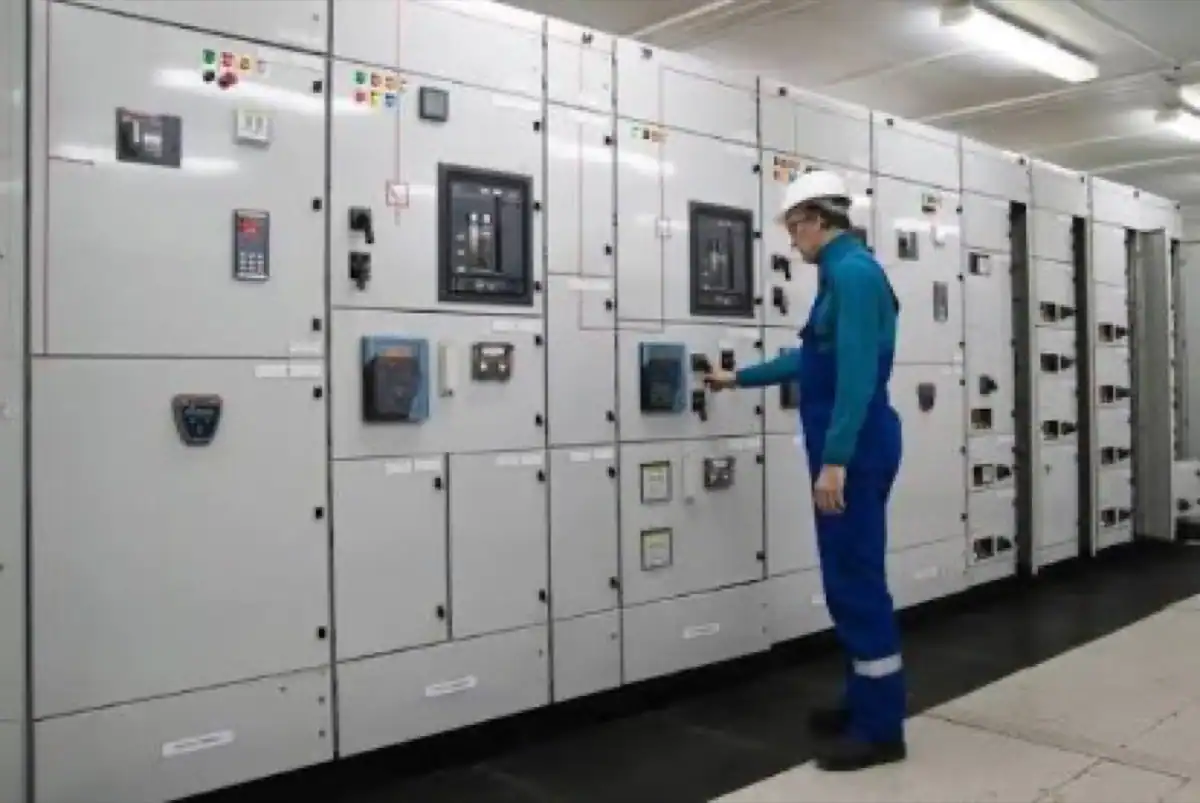
Motor control centers are one of the strongest arguments for buying used electrical equipment. New MCC lineups carry long factory lead times, and a plant waiting on switchgear is a plant not producing. Meanwhile, MCCs recovered from facility decommissions are frequently in excellent condition, because they live indoors in a clean electrical room and have no moving parts except the starters.
The catch is compatibility. Buy the wrong series and you own a cabinet you cannot populate.
Match the manufacturer and series — this is the whole game
MCC buckets are not universal. A bucket built for one manufacturer's structure will not fit another's, and even within one manufacturer, different series and vintages use different bucket geometry and stab designs.
So the first question is not "how many buckets do I need" but which structure am I standardizing on. If you already have MCCs in your plant, buying the same manufacturer and series lets you share spares and move buckets between lineups — which is a real operational advantage.
The common industrial families you will encounter used are Allen-Bradley CENTERLINE, Square D Model 6, Eaton/Cutler-Hammer Freedom, Siemens, and GE. All are well supported. Older or orphaned series are where people get stranded.
Sizing the lineup
Work from your motor list. For each motor: horsepower, voltage, and whether it needs a full-voltage starter, a reduced-voltage starter, a soft start, or a VFD. That determines bucket size — and VFD buckets take substantially more space than a plain starter, which is the most common sizing surprise.
Then confirm the structural basics:
- Bus rating — the horizontal bus amperage has to carry the total load
- Voltage class — 480V is the industrial norm; 600V rated gear covers it
- Short circuit rating — must meet or exceed the available fault current at your installation. This is a safety item, not a preference. Have it verified against a short circuit study.
- Enclosure type — NEMA 1 for clean indoor electrical rooms, NEMA 3R or 12 for tougher environments. In Florida, humidity and coastal air argue for better enclosures than you might choose elsewhere.
Inspection and testing
Used electrical gear should never be energized without testing. Before purchase:
- Visual — look for signs of arcing, heat discoloration, corrosion on the bus, and pitting on contacts
- Water intrusion history — the single biggest killer of used electrical gear. Anything that was flooded should be assumed unusable for service, regardless of appearance.
- Insulation resistance (megger) testing on bus and each bucket
- Contactor and overload condition — contacts, springs, and coil integrity
- Breakers and fuses — verify types and ratings, and check breaker trip units
- Labeling and drawings — an MCC that comes with its one-line and bucket schedule is worth substantially more than one that does not
Insist on the drawings. Reverse-engineering a lineup you bought without documentation costs real engineering hours.
Where used MCCs come from matters
The best used MCCs come out of orderly decommissionings — a plant that closed while operating, with the gear de-energized properly, removed section by section, kept dry, and stored indoors. That is exactly the pipeline we source from through plant cleanup work.
The worst come out of flooded buildings, sat outside on a yard for a year, or were pulled out with a torch. In Florida especially, ask where the gear has been stored since removal. Six months in a humid outdoor yard is not the same as six months in a warehouse.
Reconditioned vs. as-is
Reconditioned MCC gear — cleaned, tested, worn components replaced, sometimes with a limited warranty — costs more and is worth it for anything going into critical service. As-is gear is cheaper and appropriate when you have in-house electrical capability to test and refurbish, or when you are buying for spares and buckets.
Know which you are buying. The distinction is covered in reconditioned vs. as-is used equipment.
Installation reality
MCC sections are heavy and must be handled, set, and bolted together properly, with the bus splices torqued to spec. This is licensed electrician work with a proper commissioning process — megger testing, torque verification, phase rotation, and functional checks on every bucket before it carries a motor.
Budget the installation and commissioning honestly. The equipment savings on used gear are large; the installation cost is the same either way.
What we handle
We recover MCCs, switchgear, transformers, panels, and complete electrical distribution from facility decommissions across Florida, and we sell them with drawings and honest condition notes.
Tell us your bus rating, voltage, bucket schedule, and manufacturer preference and we will tell you what we can source. Call (689) 323-4676 or see used switchgear for sale. Related: what to inspect before buying used switchgear.
Looking for used equipment?
We move chillers, boilers, generators, and cooling towers across Florida and nationwide. Tell us what you need.
Ask About Available UnitsMore in Buying Guides
Buying Used Machine Tools From a Plant Closure
Machine tools from a closing facility can be the best value in industrial equipment, provided you evaluate wear, controls and what it takes to move.
Inspecting a Used Industrial Boiler Before You Buy
Pressure vessel condition, jurisdiction paperwork and burner package all decide whether a used boiler is a bargain or an ornament.
Load Testing a Used Generator Before You Buy
Hours mean little without a load test. What to test, what to look for, and what a generator's history tells you.