
What to Inspect Before Buying Used Switchgear
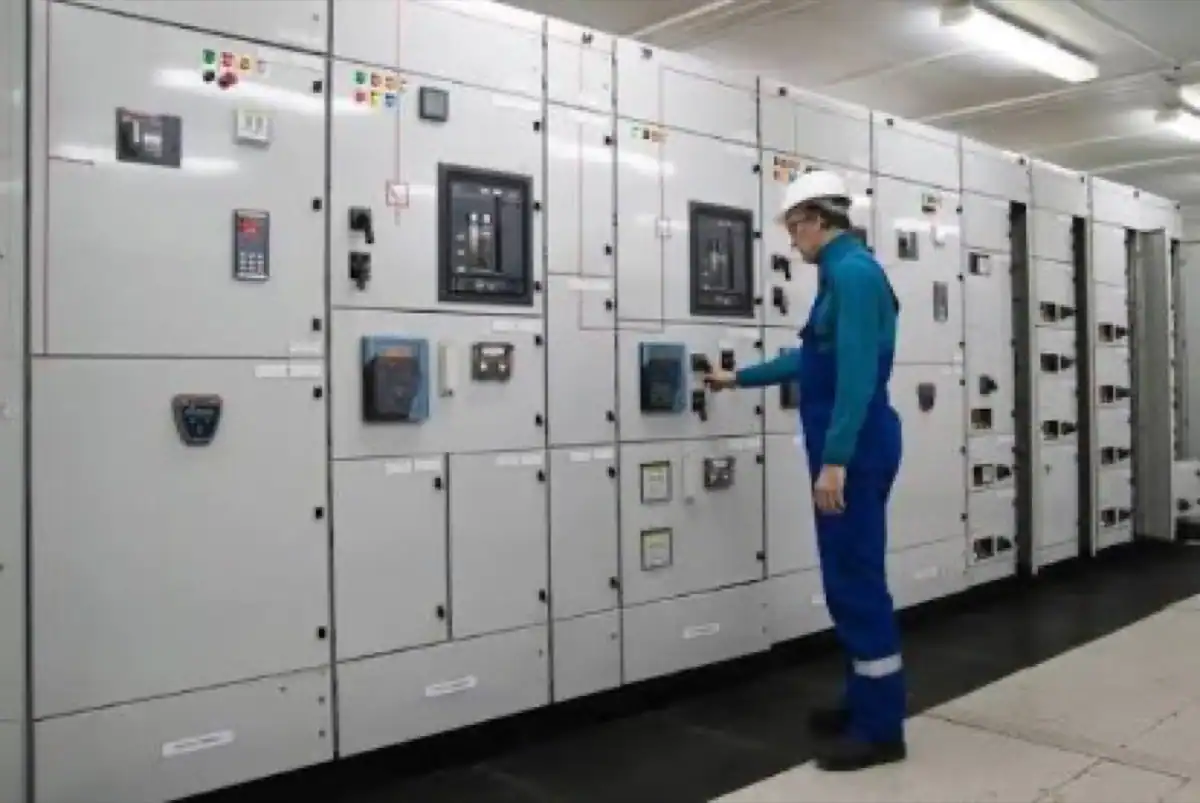
Used switchgear is one of the highest-value buys in a plant decommissioning, because new lead times are long, the price gap is large, and quality switchgear that has been maintained lasts for decades. It is also the piece where a bad buy carries the most risk, because switchgear is the heart of a facility's power distribution and a fault in it is a serious event. The difference between a bargain and a liability is the inspection. Here is what to check before you buy and before anything gets energized.
Start with the ratings
Switchgear that does not match your service is scrap to you no matter how clean it is, so confirm the ratings first. Read the nameplate and the individual breaker labels and verify:
- Voltage class matches your system, whether low-voltage under 600 volts or medium-voltage gear.
- Continuous current rating, the bus ampacity, meets your load with headroom.
- Short-circuit interrupting rating is at least as high as the available fault current at your service. This is the safety-critical number, because switchgear must be able to interrupt the worst-case fault your utility can deliver. Undersized interrupting capacity is a hard no.
- Configuration, the number of sections, breaker frame sizes, and bus arrangement, actually fits your one-line diagram.
Get these right on paper before you spend a minute on the physical inspection.
Inspect the physical condition
With the ratings confirmed, look hard at the gear itself:
- Corrosion and moisture. Rust on the enclosure, water stains inside, or corrosion on the bus is a warning. Florida humidity and any past water intrusion age switchgear fast, and a unit stored outdoors uncovered is suspect.
- Bus and connections. Check the bus bars and bolted connections for overheating discoloration, pitting, or loose hardware. Brown or blue heat marks on copper signal a history of loose, hot joints.
- Insulators and standoffs. Look for cracks, tracking marks, or carbon paths across insulators, which indicate past arcing or contamination.
- Breakers. Check that breakers rack in and out smoothly, that the operating mechanisms are intact, and that contacts are not pitted or burned. On draw-out breakers the racking mechanism and shutters must work correctly.
Insist on electrical testing
A visual pass is necessary but not sufficient. Before energizing, budget for testing:
- Insulation resistance (megger) across the bus and to ground confirms the insulation is intact and dry.
- Contact resistance on the breakers and bus joints finds high-resistance connections that will run hot.
- Primary injection or breaker trip testing confirms the protective devices actually trip at the settings they should.
- On medium-voltage gear, additional dielectric testing verifies the insulation system for the voltage class.
A unit that passes megger and breaker testing is a genuinely low-risk buy. If a seller cannot produce results and will not permit testing, that tells you what you need to know.
Ask about thermal and maintenance history
The best predictor of switchgear reliability is how it was maintained. Ask for maintenance records, any past infrared thermography scans, and the reason it came out of service. Gear pulled from a facility that was decommissioned whole, running under a maintenance contract right up to shutdown, is a very different proposition from gear that was replaced because it failed. When we recover switchgear during a facility clearout, it comes out documented rather than pulled blind, which is a large part of what makes it worth buying.
Watch the age and parts support
Switchgear from major manufacturers with current parts support, Square D, Eaton, GE, Siemens, and ABB, is far easier to maintain and expand than obsolete or off-brand gear. Very old designs may work fine but leave you hunting for breakers and parts when something needs replacing, so factor parts availability into the value.
Bottom line
Confirm the ratings fit your service, especially the short-circuit interrupting rating, inspect the bus and breakers for corrosion and overheating, and insist on megger and breaker testing before energizing. Buy documented gear from a maintained facility, favor brands with parts support, and used switchgear becomes one of the strongest values in a plant decommissioning.
We recover, test, and stock used switchgear off decommissioned Florida plants from our Auburndale yard and ship statewide. Tell us your voltage, current, and fault rating and we will match a lineup. Browse used switchgear for sale, see the full used equipment for sale inventory, or call (689) 323-4676. For a related electrical buy, read our transformer kVA sizing basics.
Looking for used equipment?
We move chillers, boilers, generators, and cooling towers across Florida and nationwide. Tell us what you need.
Ask About Available UnitsMore in Buying Guides
Buying Used Machine Tools From a Plant Closure
Machine tools from a closing facility can be the best value in industrial equipment, provided you evaluate wear, controls and what it takes to move.
Inspecting a Used Industrial Boiler Before You Buy
Pressure vessel condition, jurisdiction paperwork and burner package all decide whether a used boiler is a bargain or an ornament.
Load Testing a Used Generator Before You Buy
Hours mean little without a load test. What to test, what to look for, and what a generator's history tells you.