
Transformer kVA Sizing Basics for Buyers
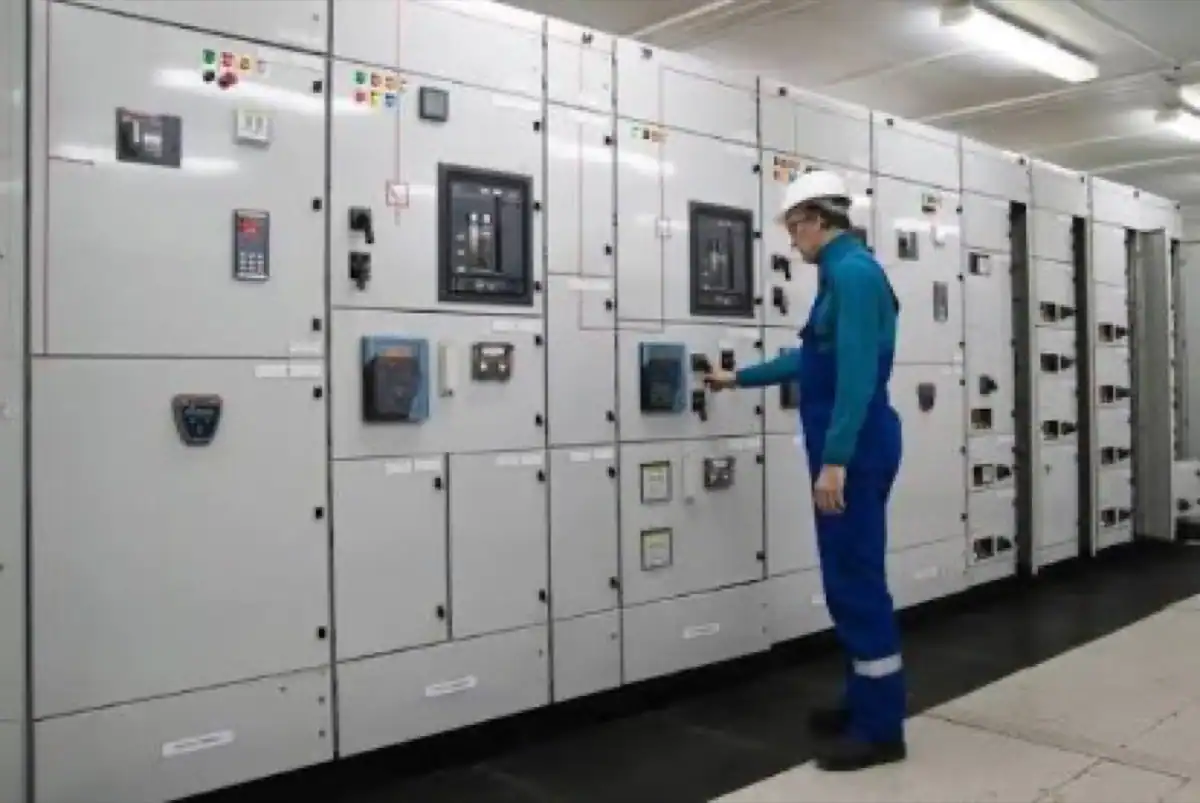
The single most common mistake we see buyers make on the used transformer market, after skipping testing, is buying the wrong kVA. Size it too small and the unit runs hot and dies early. Size it too big and you pay for capacity you never use plus no-load losses that run every hour of every day. Get it right and a used transformer runs for decades and saves you months of new-unit lead time. Here is how to size one before you buy.
What kVA actually measures
A transformer's kVA rating is its apparent power capacity, the volts multiplied by the amps it can deliver continuously. It is not quite the same as kilowatts, because real-world loads have a power factor that makes the actual working power somewhat less than the apparent power. For sizing a transformer you work in kVA, because that is what the windings and cooling are rated for. The job is to figure out how many kVA your load actually pulls, then buy a unit with sensible headroom above it.
Find your real load first
Do not size off the old plant's nameplate. That transformer may have been sized for a load that no longer exists, or for a future expansion that never happened. Instead, get your actual peak demand. The cleanest source is your utility bill, which reports peak demand in kilowatts or kVA, or a short metering study on your service. For a new install, add up the connected loads and apply a realistic demand factor, because not everything runs at once.
If you know your three-phase load in amps and your voltage, the apparent power is straightforward: for a three-phase load, kVA equals volts times amps times 1.732, divided by 1,000. So a 480 volt load pulling 600 amps is about 500 kVA. Size from that real number, not a guess.
Add the right headroom
Once you have your real peak demand, do not buy a transformer rated at exactly that number. You want to load a transformer to somewhere in the range of 70 to 85 percent of its nameplate at peak. That headroom does two things: it leaves margin for load growth, and it keeps the unit running cooler, which directly extends its insulation life. So a real peak of 400 kVA points you at roughly a 500 kVA transformer. Loading a unit right up to its nameplate continuously runs it hot and shortens its life, especially in a warm Florida mechanical room where the ambient already eats into the thermal margin.
Resist the urge to massively oversize as a shortcut, though. A transformer far larger than your load carries no-load core losses that burn energy around the clock whether you are using the capacity or not, so a wildly oversized unit quietly costs you money every hour it is energized.
Voltage ratio matters as much as capacity
A perfectly sized transformer with the wrong voltage ratio is useless to you. Before you look at kVA, confirm the primary and secondary voltages on the nameplate exactly match your service, for example 12,470 volts stepping down to 480Y/277 volts. The voltage ratio is not adjustable in any meaningful way for a buyer, so it has to fit as-is. Only after the voltage ratio matches does the kVA number decide the buy.
Florida ambient and thermal margin
Heat is the enemy of transformer life, and Florida provides plenty of it. A unit rated in a cooler climate has less usable margin sitting in a hot, humid mechanical room or on an outdoor pad in July. When two used units otherwise fit, favor the one with the lower temperature rise, such as an 80 or 115 degree Celsius rise dry-type over a 150 degree unit, because that lower rise is extra thermal headroom you will be glad to have in the heat.
Bottom line
Size a used transformer by finding your real peak demand off the utility bill or a metering study, then buying a unit whose nameplate is about 20 to 30 percent above it so it loads in the 70 to 85 percent range. Confirm the voltage ratio matches your service exactly first, and favor lower temperature-rise units for Florida's heat. Get the load, voltage, and headroom right and a used transformer is one of the best values in industrial equipment.
We stock tested dry-type and oil-filled transformers across a wide range of kVA and voltages out of our Auburndale yard and ship statewide. Tell us your peak demand and service voltage and we will match a unit. Browse used transformers for sale, see what we buy and recover, or call (689) 323-4676. For the construction choice, read oil-filled vs dry-type used transformers.
Looking for used equipment?
We move chillers, boilers, generators, and cooling towers across Florida and nationwide. Tell us what you need.
Ask About Available UnitsMore in Buying Guides
Buying Used Machine Tools From a Plant Closure
Machine tools from a closing facility can be the best value in industrial equipment, provided you evaluate wear, controls and what it takes to move.
Inspecting a Used Industrial Boiler Before You Buy
Pressure vessel condition, jurisdiction paperwork and burner package all decide whether a used boiler is a bargain or an ornament.
Load Testing a Used Generator Before You Buy
Hours mean little without a load test. What to test, what to look for, and what a generator's history tells you.