
Oil-Filled vs Dry-Type Used Transformers: How to Choose and Inspect
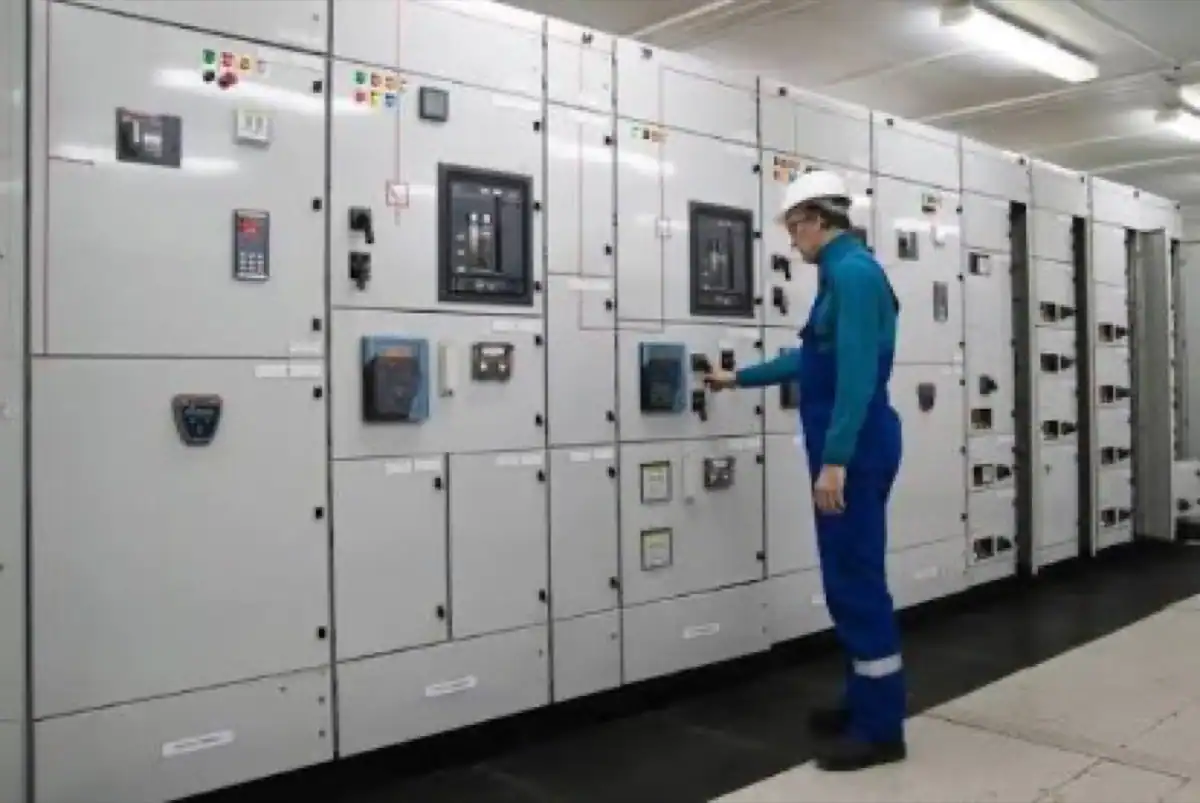
When a plant gets decommissioned, the transformers are usually the last thing anyone thinks about and one of the best values that comes out. We recover them constantly across Central Florida, and the first question every serious buyer asks is the right one: oil-filled or dry-type? The answer decides your install cost, your maintenance, and how much paperwork the purchase drags behind it. Here is how to make the call and how to check the unit before you commit.
The core difference
A transformer's construction type is about how it sheds heat. Dry-type units are cooled by air moving over the windings. Oil-filled units sit their core and coils in insulating oil that carries heat to the tank walls. That single difference cascades into everything else.
Dry-type transformers dominate the range from 15 kVA up to roughly 2,500 kVA. They live indoors, need no containment, and carry no leak or fire-code baggage. For a warehouse, machine shop, or light-industrial load, a clean dry-type is the low-hassle buy every time.
Oil-filled transformers cool better and handle bigger, hotter loads, which is why you find them from 500 kVA up past 10 MVA on pads and in substations. They run cooler under sustained load and last longer, but the oil is a responsibility, not just a coolant.
When oil-filled is worth the extra work
If your load is over roughly 2,000 kVA, sits outdoors, or runs at high sustained demand, oil-filled is what the market will offer you and what will actually hold up. The thermal margin is real, and pad-mount oil units are built for the outdoor Florida environment where a dry-type would struggle. The tradeoff is containment: any liquid-filled unit near stormwater or a mechanical room drain needs a spill plan, and Florida regulators scrutinize this near water.
The one hard rule on oil units built before 1980 is PCB status. Older oil can contain PCBs, and contaminated oil pulls you into EPA disposal territory with real cost and liability. Never buy a pre-1985 oil-filled transformer without a PCB test result in writing. "Non-PCB" means under 50 parts per million, and a responsible seller either has the certification or will let you pull a sample.
When dry-type is the smarter buy
For most buyers adding or replacing a load under a couple thousand kVA, dry-type wins on total cost. No oil means no containment, no spill plan, no PCB question, and a simpler move. They resell cleanly for the same reasons. The only real watch-out is environment: dry-types pull air across the windings, so a dusty, humid, or salt-laden room fouls the insulation faster. In a coastal Florida install, favor a sealed or encapsulated dry-type over an open ventilated one.
Inspecting either type before you buy
The nameplate is the whole story, so start there. Get a photo clear enough to read every line and confirm four things: the kVA rating fits your actual load with headroom, the primary and secondary voltage exactly match your service, the impedance is in the normal 5 to 6 percent band, and the build year is recent enough to matter for both remaining life and PCB risk. A transformer with the wrong voltage ratio is scrap to you no matter how clean it looks.
Then insist on electrical testing before anything gets energized:
- Insulation resistance (megger) confirms the winding-to-ground and winding-to-winding insulation is intact.
- Turns ratio (TTR) proves the windings match the nameplate and nothing is shorted.
- Winding resistance flags a developing internal problem.
- On larger oil units, a dissolved gas analysis of the oil reveals a history of internal arcing or overheating that no visual check will show.
A unit that passes megger and TTR is a genuinely low-risk buy. If a seller cannot produce results and will not allow testing, walk. We test every transformer we resell and tell buyers exactly what showed up.
What each type costs used
Pricing tracks capacity, condition, and how current the voltage ratings are. As working ranges, a clean 500 to 1,000 kVA dry-type unit often lands in the low-to-mid four figures. Larger pad-mount oil-filled units in the 2,500 kVA and up range run well into five figures depending on documentation. The premium always sits on tested, documented units with a common voltage ratio, because those drop straight into a real service without a redesign.
Bottom line
Buy dry-type for indoor loads under a couple thousand kVA where simplicity wins. Buy oil-filled for large, outdoor, or high-duty loads where the thermal margin earns its keep, and never skip the PCB test on older oil. Either way, match the nameplate to your service and insist on megger and TTR before energizing.
We pull, test, and stock both types out of Florida plant decommissionings in Auburndale and ship statewide. Tell us your voltage and load and we will match a unit from current inventory or an upcoming clearout. Browse used transformers for sale, see what we buy and recover, or call us at (689) 323-4676. For the wider gear picture, see our used switchgear for sale listings.
Looking for used equipment?
We move chillers, boilers, generators, and cooling towers across Florida and nationwide. Tell us what you need.
Ask About Available UnitsMore in Buying Guides
Buying Used Machine Tools From a Plant Closure
Machine tools from a closing facility can be the best value in industrial equipment, provided you evaluate wear, controls and what it takes to move.
Inspecting a Used Industrial Boiler Before You Buy
Pressure vessel condition, jurisdiction paperwork and burner package all decide whether a used boiler is a bargain or an ornament.
Load Testing a Used Generator Before You Buy
Hours mean little without a load test. What to test, what to look for, and what a generator's history tells you.