
Inspecting a Used Industrial Boiler Before You Buy
A used boiler can be excellent value, and it is also the piece of equipment where a bad purchase is hardest to unwind — because a pressure vessel that cannot be certified in your jurisdiction is not a boiler, it is a large steel object.
Start with the paperwork
National Board registration and the data plate. Without a legible data plate and a traceable registration, getting a vessel accepted for installation ranges from difficult to impossible depending on where you are. Check this before anything else.
Inspection history. Jurisdictional inspection reports, and any repair or alteration records. Repairs to a pressure vessel must be performed and documented under the appropriate code; undocumented repairs are a serious problem.
Manufacturer, model and year. Determines parts availability and whether the design is still supported.
Your state or local boiler inspector has the final say on whether a used vessel can be installed. Talking to them before purchase, not after, is the single most useful step available.
The pressure vessel itself
- External shell and heads for corrosion, pitting, bulging or repair patches.
- Tubes. On firetube boilers, look for scale, corrosion, plugged tubes and evidence of overheating. On watertube, tube condition and any replacements.
- Refractory. Cracked or missing refractory is repairable and it is also a sign of how the unit was operated.
- Waterside condition. Scale tells you about the feedwater treatment, and poor treatment history means damage you may not be able to see.
- Manways and openings, gaskets and sealing surfaces.
Where the value is significant, an inspection by a qualified boiler inspector before purchase is worth the cost.
The burner is half the machine
A boiler is a pressure vessel plus a combustion system, and the burner package is frequently in worse condition than the vessel.
Check the burner type and fuel, condition of the blower, fuel train components, flame safeguard controls and whether that generation of control is still supported. Obsolete flame safeguard systems are a common and expensive replacement.
Also check whether the burner matches the fuel you actually have. Converting a burner is possible and it is not cheap.
Controls and safety devices
Low water cutoffs, pressure controls, safety valves, feedwater controls and the control panel. Safety valves have their own certification requirements and typically need testing or replacement.
Modern control retrofits are common on used boilers and generally worthwhile, but they are a budget line rather than an afterthought.
Feedwater and the rest of the system
A boiler is part of a system. Deaerator, feedwater pumps, chemical treatment, blowdown, condensate return, stack and breeching. Buying the whole package from a single facility usually costs less than assembling it, and it comes as a system that worked together.
Sizing honestly
Boilers are frequently oversized in the facilities they come from, because plants grow and shrink. An oversized boiler short-cycles, which is inefficient and hard on the equipment.
Size for your actual load profile, and consider that two smaller units frequently serve a variable load better than one large one.
Installation costs
Rigging a boiler into a building, connecting fuel, water, steam and stack, obtaining permits and passing inspection are all substantial. On smaller units the installation frequently exceeds the equipment cost.
Price the installed cost before deciding a used boiler is cheap.
Where good used boilers come from
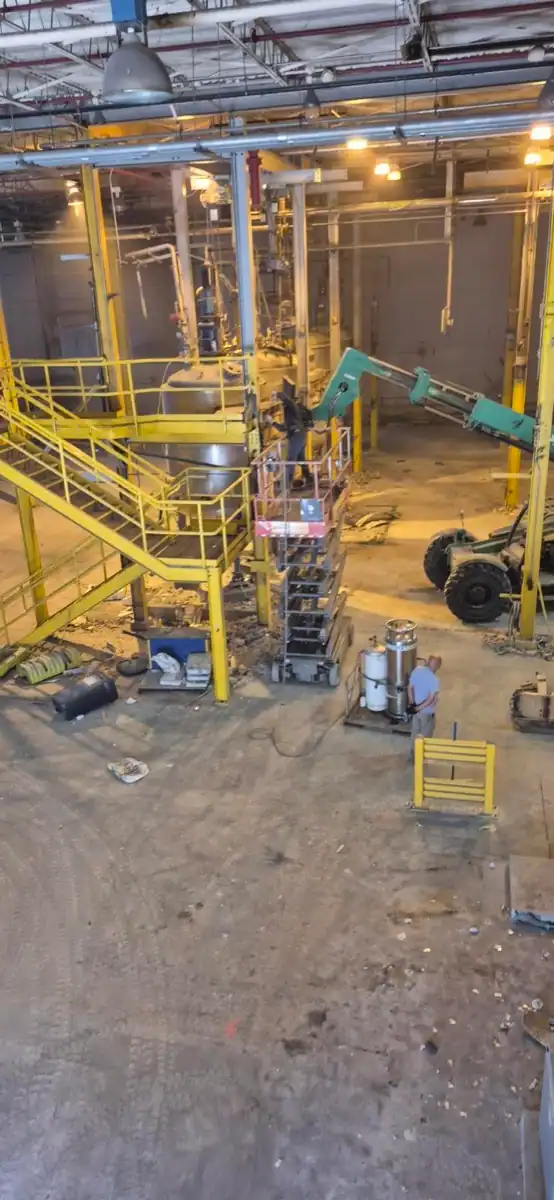
Facility closures and consolidations — plants that shut down, converted fuel, or downsized. Boilers removed in a planned decommissioning, with the paperwork collected and the unit disconnected properly, are worth substantially more than one cut out of a building in a hurry.
That documentation, again, is most of what separates a usable vessel from scrap.
Looking for used equipment?
We move chillers, boilers, generators, and cooling towers across Florida and nationwide. Tell us what you need.
Ask About Available UnitsMore in Buying Guides
Buying Used Machine Tools From a Plant Closure
Machine tools from a closing facility can be the best value in industrial equipment, provided you evaluate wear, controls and what it takes to move.
Load Testing a Used Generator Before You Buy
Hours mean little without a load test. What to test, what to look for, and what a generator's history tells you.
Buying a Used Overhead Crane
Capacity, span and service class are the easy part. Documentation, structural condition and installation cost decide whether it is a good buy.