
Buying a Used Overhead Crane
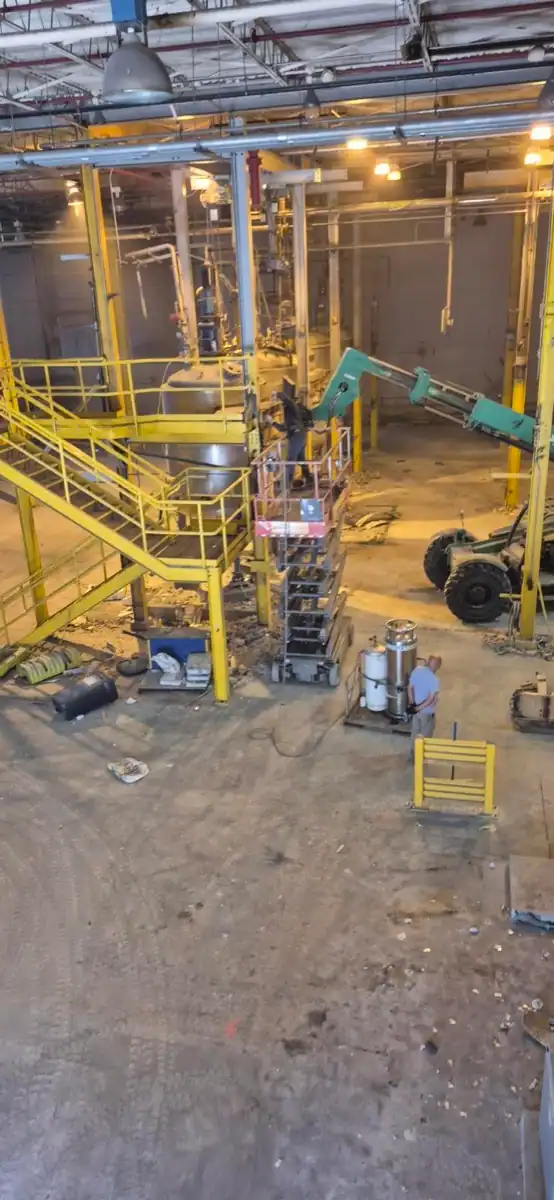
A used bridge crane can be excellent value. It can also be an expensive lesson if the buyer priced the crane and not the installation.
The specifications that must match
Capacity. Do not buy short. A crane at its rated capacity every lift wears faster and leaves no margin. Buy above your normal working load.
Span. The distance between runway rails. This is the specification that most often kills an otherwise good deal, because a crane can be modified for span only within limits and at real cost.
Lift height. How high the hook goes, which is constrained by your building.
Service class. How hard the crane is designed to work. A crane classified for light service running a heavy-duty duty cycle will not last, and this is the specification buyers most often ignore because it is less visible than capacity.
Power. Voltage and phase, easy to change on some components and not on others.
What to inspect
The hoist. The most heavily worn component. Check the wire rope or chain, the brake, the drum, the gearbox for leaks and noise, and the hook for wear, cracks and throat opening.
The bridge and end trucks. Wheels, bearings, drive motors and gearboxes, and whether the bridge tracks straight.
Structural condition. Girder for cracks, corrosion and any evidence of overload — permanent deflection is the one to look for. Welds at connections. On older cranes, evidence of repairs.
Controls. Pendant or radio, contactors, drives, and whether the control generation is still supported.
Festoon or conductor bar. Frequently in poor condition and cheap to replace, but budget it.
Documentation is worth real money
Load test records, periodic inspection reports, the manual, and a legible capacity plate. A crane with these sells for more and it is worth paying more for.
Without them the buyer is looking at a recertification and possibly a load test before it can be put into service, and that cost is not small.
The installation is the hidden number
This is where buyers get caught. The crane is one line item and installation is frequently a larger one:
- Runway. Do you have one? Does it match the span, capacity and wheel loads? Runway beams and columns for a new installation cost more than many used cranes.
- Building structure. Can your building carry the crane's wheel loads into its columns and foundations? That is a structural engineering question, and the answer is sometimes no.
- Foundations. Freestanding runway systems need footings.
- Rigging and installation. Getting a crane out of one building and into another is specialist work.
- Electrical. Service to the runway, disconnects, and controls.
- Engineering and permits. Required in most jurisdictions for a crane installation.
Price the whole package before deciding a used crane is cheap.
Removal condition matters
A crane that was dismantled carefully by people who documented what came from where is a straightforward reinstallation. One that was cut down in a hurry is a puzzle with missing pieces.
Ask how it was removed and by whom. If it is still installed and you are buying it in place, that is generally the better situation — you or your rigger controls the removal.
Where used cranes come from
Plant closures, consolidations and facility conversions, which is exactly the work we do. Cranes we recover come out through planned disassembly with the documentation collected, because that is what makes them worth selling rather than scrapping.
That is also the honest advice for a buyer: the provenance of a used crane tells you a great deal about what you are getting.
Looking for used equipment?
We move chillers, boilers, generators, and cooling towers across Florida and nationwide. Tell us what you need.
Ask About Available UnitsMore in Buying Guides
Buying Used Machine Tools From a Plant Closure
Machine tools from a closing facility can be the best value in industrial equipment, provided you evaluate wear, controls and what it takes to move.
Inspecting a Used Industrial Boiler Before You Buy
Pressure vessel condition, jurisdiction paperwork and burner package all decide whether a used boiler is a bargain or an ornament.
Load Testing a Used Generator Before You Buy
Hours mean little without a load test. What to test, what to look for, and what a generator's history tells you.