
Reconditioned vs Used Chiller: Which Should You Buy?
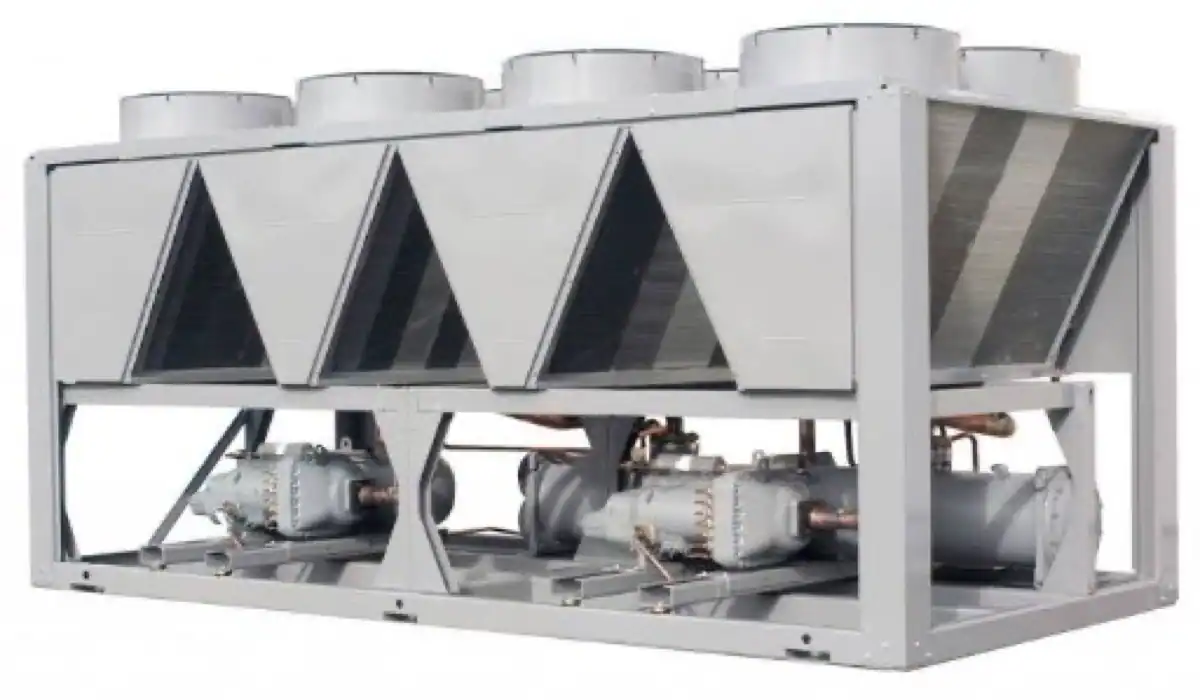
"Used" and "reconditioned" get thrown around like they mean the same thing. They don't, and the difference is worth thousands of dollars either direction depending on your situation. We buy chillers as-is and we sell them both ways, so here's the straight comparison to help you pick.
The short version: an as-is used chiller is cheaper up front and fine if you have a service crew and can absorb some risk. A reconditioned chiller costs more but comes tested, refreshed, and usually warrantied — worth it if you can't afford downtime or don't have your own techs. Most of the decision comes down to those two variables.
What "used, as-is" actually means
An as-is unit is sold in the condition it was pulled. Somebody decommissioned it, it may or may not have been tested, and what you see is what you get.
- Price: the lowest on the market. For a 500-ton centrifugal, as-is might run 35,000 to 70,000 dollars where reconditioned runs higher.
- What you're taking on: any wear, deferred maintenance, or hidden faults come with it.
- Best for: buyers with in-house HVAC/refrigeration capability, contractors, or anyone buying a unit they'll rebuild themselves.
- The catch: "ran when pulled" is not the same as "tested." If nobody megged the motor or sampled the oil, you're buying partly blind. Run our inspection guide before you commit.
What "reconditioned" actually means
A properly reconditioned chiller has been through a shop process, not just a repaint. Done right, that includes:
- Full testing — megger on the motor, compressor oil analysis, eddy-current on the tube bundles. See how a used chiller is tested.
- Wear parts replaced — seals, gaskets, contactors, sensors, and anything the testing flagged.
- Cleaned and serviced — coils cleaned, tubes brushed or cleaned, refrigerant charge verified and topped.
- Controls verified — VFDs, starters, and safeties confirmed functional.
- A short warranty — often 30 to 90 days on the unit, sometimes longer on the compressor.
You pay more for all that work, but you're buying a known quantity with paper behind it. Watch out for sellers who slap "reconditioned" on a repainted as-is unit — ask exactly what was done and demand the test results.
The cost difference, in real numbers
Reconditioning a mid-size commercial chiller typically adds 15 to 40 percent to the as-is price, depending on what the testing turned up. On a 500-ton unit:
- As-is used: roughly 35,000 to 70,000 dollars.
- Reconditioned with warranty: roughly 55,000 to 100,000 dollars.
Both still land well under a new install of 250,000 to 500,000 dollars. For the full price picture see how much a used chiller costs and new vs used chiller cost.
How to decide
Ask yourself three questions.
- Do you have a service crew? If you have in-house refrigeration techs or a contractor on retainer, as-is makes sense — you can handle whatever it needs. If not, reconditioned buys you peace of mind.
- What's your downtime tolerance? A data center or hospital that can't afford a surprise failure should pay for reconditioned and the warranty. A warehouse with a backup or a shoulder-season install window can take the as-is risk.
- What's the refrigerant? An as-is R-22 or R-123 unit that also needs service work can get expensive fast. On older refrigerants, reconditioned-with-warranty is often the safer play. See used chiller refrigerants explained.
The middle path most buyers miss
There's a third option: buy a tested as-is unit. That's a unit sold as-is but with real test data attached — megger reading, oil analysis, tube report — so you're not paying for reconditioning labor but you're also not buying blind. This is often the best value on the market, and it's how we prefer to sell when a unit tests clean and doesn't need refresh work. You get the low as-is price with the confidence of a known condition.
Watch the warranty fine print
When reconditioned comes with a warranty, read exactly what it covers before you pay the premium for it. Warranties on used equipment vary wildly.
- What's covered — the whole unit, or just the compressor? Parts, or parts and labor?
- How long — 30 days is common on as-is-plus, 90 days on a proper recon, and some sellers extend the compressor coverage longer.
- Who honors it — the seller, or a third party? A warranty from a shop with no Florida service presence is worth less than one you can actually collect on.
- What voids it — improper install, a refrigerant swap, or running it outside spec can all cancel coverage.
A short, clearly-worded warranty from a seller you can reach beats a long one full of exclusions. We cover the whole topic in the used chiller warranty guide. The point of paying for reconditioned is peace of mind — make sure the warranty actually delivers it.
The Florida angle
In Florida's year-round run climate, a chiller works harder than the same unit up north, so the reconditioned-vs-as-is call carries a little more weight here. A unit that runs 12 months a year has less margin for a hidden fault to hide behind a shoulder season. If your load is constant — a hotel, hospital, or process line that never gets a break — the case for reconditioned-with-warranty gets stronger. If you've got seasonal slack or backup capacity, as-is risk is easier to absorb. Either way, coastal buyers should weigh corrosion condition heavily, since salt air shortens the life of any unit regardless of how it's sold.
Bottom line
Reconditioned isn't automatically better — it's better for buyers who can't self-service or can't risk downtime. As-is isn't automatically a gamble — it's a smart buy for contractors and facilities with their own crews, especially when the unit comes with real test data. Match the choice to your service capability and your downtime tolerance, not to which word sounds safer.
We buy chillers as-is and resell them across the spectrum — tested as-is, and fully reconditioned with warranty. Tell us your situation and we'll steer you to the right one, or make a cash offer on a unit you're removing. Questions? Reach out here.
Looking for used equipment?
We move chillers, boilers, generators, and cooling towers across Florida and nationwide. Tell us what you need.
Ask About Available UnitsMore in Buying Guides
Buying Used Machine Tools From a Plant Closure
Machine tools from a closing facility can be the best value in industrial equipment, provided you evaluate wear, controls and what it takes to move.
Inspecting a Used Industrial Boiler Before You Buy
Pressure vessel condition, jurisdiction paperwork and burner package all decide whether a used boiler is a bargain or an ornament.
Load Testing a Used Generator Before You Buy
Hours mean little without a load test. What to test, what to look for, and what a generator's history tells you.