
New vs Used Chiller: The Real Cost Comparison
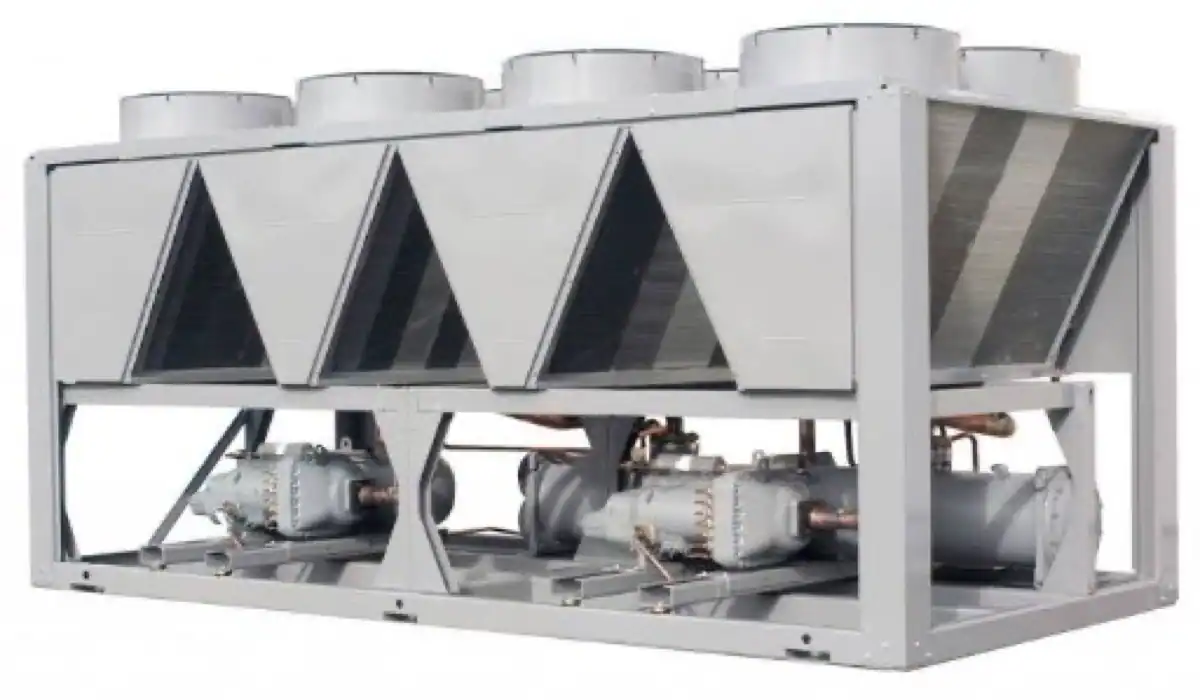
Every facility manager who calls us asking about a used chiller has already gotten a new-equipment quote, and it made their eyes water. A new 500-ton water-cooled centrifugal, installed, routinely lands north of 300,000 dollars once you add the plant work. So the real question isn't "is used cheaper" — it obviously is. The real question is whether the savings hold up once you count everything: purchase, lead time, rigging, warranty, and lifecycle service.
We buy and resell this gear every week, so we see both sides of the ledger. Here's the honest comparison, with numbers.
Purchase price: where the gap is widest
The sticker gap is the easy part, and it's enormous. Broadly, a well-maintained used chiller runs 40 to 70 percent below new for comparable tonnage.
- 150 to 300 tons: new lands roughly 90,000 to 180,000 dollars for the unit alone; comparable used runs 25,000 to 70,000.
- 400 to 700 tons: new is often 180,000 to 320,000; used centrifugals in that band trade around 60,000 to 130,000.
- 800 to 1,500 tons: new can top 400,000; a maintained York or Trane centrifugal here frequently sells at 90,000 to 250,000.
Brand holds value on the resale side. Trane CenTraVac, York YK, Carrier 19XR, and McQuay/Daikin magnetic-bearing units carry a premium used because parts and techs are everywhere. Our best used chiller brands breakdown covers which nameplates actually resell.
Lead time is a cost, and it's the one people forget
A new large chiller is not a shelf item. Depending on the manufacturer and the year, quoted lead times run 20 to 52 weeks. If your existing unit is down and you're renting a 400-ton temporary chiller at 8,000 to 18,000 dollars a month to bridge the gap, ten months of waiting quietly adds 80,000 to 180,000 dollars to the "cheaper" new install.
A used unit that's already sitting in a yard, tested and ready, ships in days. In a plant-down emergency that difference alone can be worth more than the entire price gap. That's a big reason process facilities and Florida hotels — where cooling can't go dark in July — lean used when a unit fails unexpectedly.
Rigging and install: roughly a wash
Here's where honesty matters. Rigging and installation cost about the same whether the chiller is new or used. A 500-ton unit weighs 15,000 to 25,000 pounds, needs a crane or heavy rigging, and requires the same pipe, wire, and controls tie-in either way. Budget the same 15,000 to 60,000 dollars for rigging and mechanical connection regardless.
The one variable is condition-driven prep on a used unit — a refrigerant charge, a new starter, or fresh gaskets. A properly tested and megged unit minimizes those surprises, which is exactly why we test before we sell. If you want to plan the logistics side, our delivery and rigging guide has real Florida numbers.
Lifecycle: efficiency vs capital
This is the strongest argument the new-equipment salesman has, and it deserves a fair hearing. A new magnetic-bearing chiller might run 0.50 to 0.58 kW per ton at design; an older constant-speed unit might run 0.65 to 0.85. On a chiller that runs thousands of hours a year in a high-load Florida climate, that efficiency delta is real money.
But run the math honestly:
- If the efficiency difference saves you, say, 12,000 dollars a year in energy, and you saved 150,000 dollars buying used, that's a 12-plus-year payback on the premium. Most facilities upgrade before that.
- Many used centrifugals from data-center and hospital retrofits are variable-speed and only 6 to 10 years old — low hours, modern efficiency, half the price. Those are the units worth chasing.
- A used unit with a modern refrigerant (R-134a, R-513A, R-1234ze) sidesteps the phase-down headaches of R-22 and R-123, protecting long-term service cost. We break that down in used chiller refrigerants explained.
The all-in comparison
Put it together for a representative 500-ton replacement:
- New: unit 220,000 + rigging/install 45,000 + 6 months of temporary rental during lead time 60,000 = roughly 325,000, ready in half a year.
- Used (tested, low-hour): unit 95,000 + rigging/install 45,000 + minor prep 8,000 = roughly 148,000, ready in weeks.
Even giving new every efficiency advantage, the used path saves over 170,000 dollars up front and gets you cooling months sooner. For a fuller price picture across the market, see used chiller prices in Florida.
Don't forget the soft costs on both sides
The spreadsheet gets sharper when you count the line items neither salesman volunteers. On the new side, factory startup and commissioning by an authorized tech is often mandatory to keep the warranty valid — budget 3,000 to 10,000 dollars. On the used side, plan for a fresh refrigerant charge, an oil change, and a controls checkout before you trust the unit in production. Both paths also carry the same demolition and disposal cost for the old chiller you're replacing — someone has to rig it out and recycle the shell, and if we're buying your old unit as part of the deal, that cost swings back in your favor. When you compare quotes, compare all-in numbers, not sticker to sticker.
When new actually wins
We'll tell you straight — used isn't always right. Buy new when you need a specific high-efficiency spec to hit a utility rebate or LEED target, when your engineer requires a factory warranty for a critical process, or when no comparable used tonnage exists in your refrigerant. There's also a case for new when your building's load is unusual enough that only a made-to-order unit fits. Outside those cases, the numbers favor used hard.
Bottom line
New chiller quotes are built on lead times and sticker prices that don't survive contact with a spreadsheet. For most warehouse, hotel, and process cooling loads, a tested used chiller cuts capital cost 40 to 70 percent, ships in days instead of months, and — if you buy low-hour variable-speed gear — gives up very little on efficiency.
Tell us your tonnage, refrigerant, and location, and we'll price a ready-to-ship used unit against your new quote so you can decide with numbers. Start here or reach out directly and we'll get you a straight answer.
Looking for used equipment?
We move chillers, boilers, generators, and cooling towers across Florida and nationwide. Tell us what you need.
Ask About Available UnitsMore in Buying Guides
Buying Used Machine Tools From a Plant Closure
Machine tools from a closing facility can be the best value in industrial equipment, provided you evaluate wear, controls and what it takes to move.
Inspecting a Used Industrial Boiler Before You Buy
Pressure vessel condition, jurisdiction paperwork and burner package all decide whether a used boiler is a bargain or an ornament.
Load Testing a Used Generator Before You Buy
Hours mean little without a load test. What to test, what to look for, and what a generator's history tells you.