
Used Chiller Delivery and Rigging in Florida
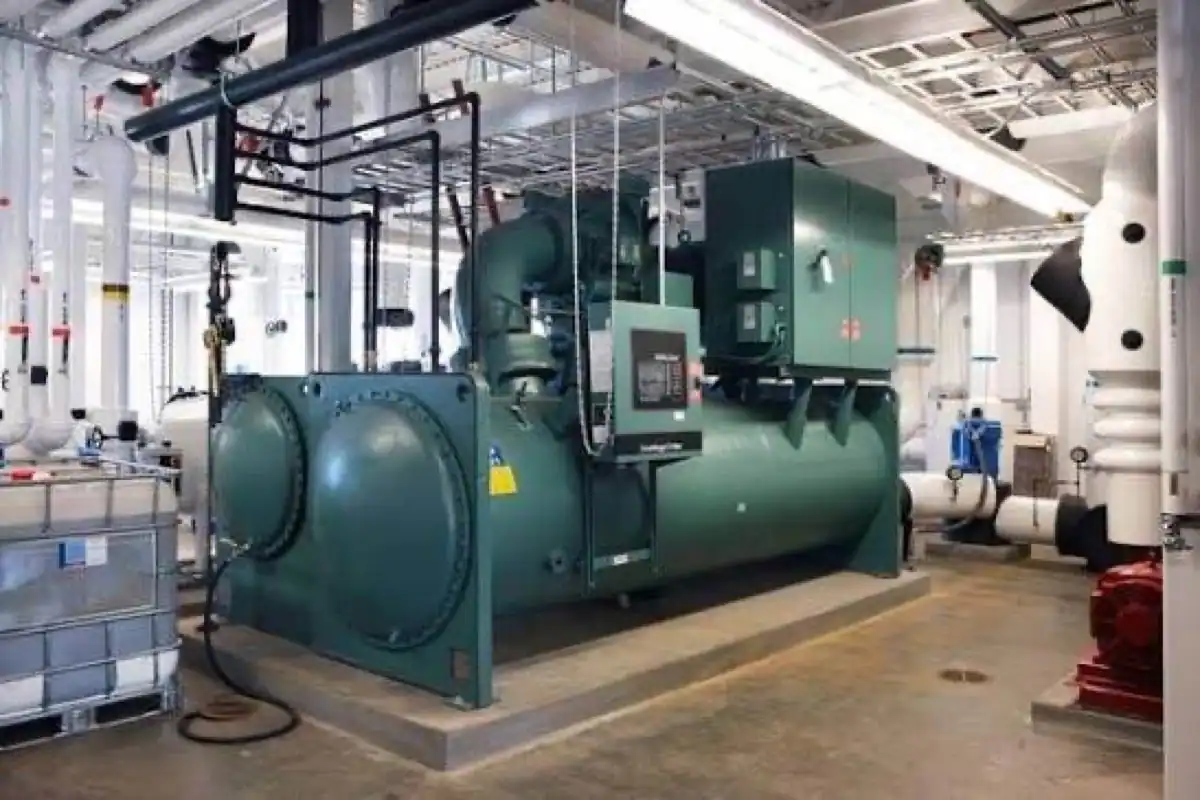
Buyers fixate on the chiller price and then get blindsided by what it costs to get the thing standing in their building. We rig this equipment for a living, and we'd rather you budget the logistics correctly than call us shocked after the unit's already yours. Delivery and rigging a used chiller in Florida can run anywhere from a couple thousand dollars for a slab drop to well over 60,000 for a downtown rooftop swap.
Here's how the number is built, what drives it up, and how to keep it sane.
Start with the weight — everything scales from it
Rigging cost tracks weight and access more than anything else. Rough operating weights:
- Under 100 tons (packaged): 3,000 to 8,000 pounds.
- 150 to 300 tons: 8,000 to 14,000 pounds.
- 400 to 700 tons (centrifugal): 15,000 to 28,000 pounds.
- 800 to 1,500 tons: 30,000 to 55,000-plus pounds, often shipped as a split shell in the largest sizes.
A 500-ton Trane or York centrifugal at 20,000-plus pounds is not a forklift job. It needs a crane or a coordinated heavy-rig with skates, and the crew and gear you need scales directly with that number. Get the operating weight off the nameplate before you price anything — our inspection checklist covers pulling that data.
Transport: flatbed, lowboy, and Florida distances
Over-the-road transport in Florida is usually straightforward because the state is flat and the interstate grid is good. A standard flatbed or step-deck haul within the state typically runs 800 to 3,500 dollars depending on distance and whether the load needs a permit for width or height.
- Legal loads (under about 8.5 feet wide, 13.5 feet tall) move on standard rates.
- Oversize loads need a Florida DOT permit and sometimes a pilot car — add 200 to 1,500 dollars.
- Coastal and island deliveries (the Keys, barrier islands) carry bridge-weight and timing restrictions that push cost up.
If you're sourcing a unit we already have staged, the haul is one clean leg from our yard to your dock. We cover where units come from in where to buy used chillers in Florida.
Rigging: slab drop vs rooftop is the whole story
This is where budgets swing by an order of magnitude.
- Ground-level slab set: the cheap case. Crane picks the unit off the truck and sets it on the pad. Often 2,000 to 8,000 dollars including the crane day.
- Interior mechanical room: now you're skating a 20,000-pound unit through doors and down corridors, sometimes removing a wall or door frame. 8,000 to 30,000 dollars depending on the path and rigging distance.
- Rooftop: a crane pick over a building, plus a matching removal of the old unit, plus street closure. In a dense downtown — Miami, Tampa, Orlando core — this routinely hits 25,000 to 60,000-plus dollars once you add the permits and traffic control.
The single biggest cost driver is the removal of the old chiller. A rooftop swap is two picks, not one, and the dead unit has to come down and go somewhere. If we're buying your old unit as part of the deal, that removal cost partly offsets against the trade — see sell your used chiller in Florida.
Permits, street closures, and the Florida wrinkles
A few Florida-specific realities to plan around:
- Municipal crane and street-closure permits in the metros take days to weeks and cost hundreds to a few thousand dollars. Start them early — a crane crew standing around waiting on paperwork bills by the hour.
- Hurricane season staging. From June through November, don't let a six-figure chiller sit exposed in a yard or half-rigged on a roof with a named storm in the Gulf. Build weather contingency into the schedule.
- Coastal corrosion. Salt air is hard on units staged uncovered near the coast. Cover and seal during any staging delay.
- Sales tax applies to the equipment purchase; some manufacturing-use buys qualify for exemption. Confirm with your accountant, and see used chiller prices in Florida for the full cost picture.
Who does what — and who's liable
A clean rig has one accountable crew, not three finger-pointing vendors. When the hauler, the crane company, and the millwright are separate contracts, a dropped or damaged unit turns into an insurance fight while your project sits idle. Confirm who carries the rigging insurance and what the coverage limit is before the crane shows up — a 20,000-pound centrifugal is a serious liability in the air. We prefer to own the whole move, delivery through set, so there's one number, one crew, and one party responsible if anything goes sideways. It also means the crane is sized right the first time; an undersized crane that can't make the pick is a wasted mobilization day you'll pay for either way.
How to keep the rigging bill down
- Buy a tested, ready unit so you're not paying a crane crew to wait while someone diagnoses a fault on the pad. We only sell units that have been tested and megged first.
- Measure the path before you commit. Door widths, corridor turns, elevator ratings, roof access. A 10-minute site walk kills the most expensive surprises.
- Bundle removal and delivery. One crew, one crane mobilization, one day. Splitting them doubles the mobilization fee.
- Right-size the unit. A physically smaller chiller that still meets your load is cheaper to move. Our sizing guide helps you avoid hauling more iron than you need.
Bottom line
Delivery and rigging is a real line item, not a rounding error — anywhere from 2,000 dollars for a slab drop to 60,000-plus for a downtown rooftop swap with old-unit removal. The drivers are weight, access, and whether there's an old chiller to pull. Get the operating weight and site path nailed down before you buy, start permits early, and bundle removal with delivery.
We stage tested units across Florida and handle the rig ourselves, so you get one number for a unit that's standing and ready. Tell us your tonnage and site conditions and we'll scope the whole move, or reach out here and we'll walk your access with you.
Looking for used equipment?
We move chillers, boilers, generators, and cooling towers across Florida and nationwide. Tell us what you need.
Ask About Available UnitsMore in Buying Guides
Buying Used Machine Tools From a Plant Closure
Machine tools from a closing facility can be the best value in industrial equipment, provided you evaluate wear, controls and what it takes to move.
Inspecting a Used Industrial Boiler Before You Buy
Pressure vessel condition, jurisdiction paperwork and burner package all decide whether a used boiler is a bargain or an ornament.
Load Testing a Used Generator Before You Buy
Hours mean little without a load test. What to test, what to look for, and what a generator's history tells you.