
How to Sell Your Used Chiller in Florida
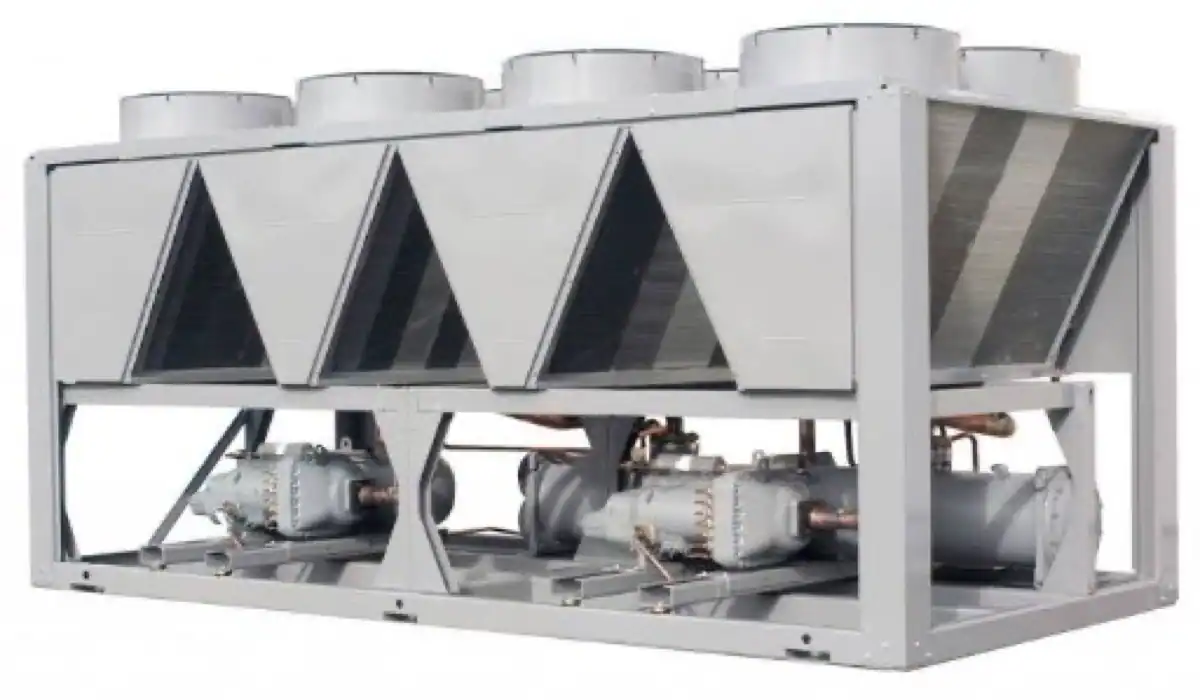
Selling a used chiller in Florida is faster and simpler than most facility managers expect. The market here is deep — constant HVAC replacement cycles, plant closures, and data-center buildouts keep buyers active in Tampa, Orlando, Jacksonville, Miami, and everywhere in between. A good sale takes about a week of calendar time, not a month, and if you do it right the buyer handles the rigging, the refrigerant recovery, and the disposal paperwork while you just cash the check.
Here's the whole process, start to finish, from the buyer's side of the table.
Step 1: Price it before you disconnect it
The most expensive mistake sellers make is waiting. Chillers lose value the longer they sit offline — gaskets dry out, electrical components degrade, and the service history gets staler every quarter. If you know the unit is coming out, start the sale process while it's still running and on record.
What drives your number: tonnage (150 to 1,500 tons is the sweet spot), refrigerant (R-134a and newer hold value; R-22 and R-123 sell mostly for core and copper), run history, brand (York, Carrier, Trane, McQuay, Daikin, Multistack all sell well), completeness, and removal access. For the full breakdown, see what is my used chiller worth.
Step 2: The photo and nameplate package
Spend fifteen minutes getting these before you contact a buyer:
- Nameplate photo — close enough to read model, serial, tonnage, refrigerant, voltage, and full-load amps. The single most important shot.
- Two or three exterior angles showing overall condition and any corrosion.
- Control panel with the door open — shows starters, safeties, and any aftermarket repairs.
- Any damage or leaks — photograph them honestly. A buyer who finds a surprise at pickup renegotiates.
- The rigging path — how the unit actually leaves the building.
- Service records if you have them, plus the facility city.
That package alone usually gets you a firm cash offer inside 48 hours.
Step 3: Don't strip it, don't scrap it early
Two temptations cost Florida sellers real money. The first is pulling the VFD, controls, or starter for "reuse elsewhere" and trying to sell the shell — you'll take apart hundreds of dollars of reusable equipment for fifty dollars of scrap. The second is taking the scrap-yard quote because it's the easy call. The scrap yard pays for copper by weight and ignores everything the unit is worth as a working machine. See scrap value of a commercial chiller to understand why that's a floor, not a fair price.
Step 4: Let the buyer handle rigging and refrigerant
Unless you're an HVAC contractor with rigging capacity, sell "as-is, buyer removes." A direct buyer's offer on a chiller includes full rigging and removal — that's standard in the industry. You avoid the crane cost, the EPA-certified refrigerant recovery, the disposal paperwork, and the liability. In Florida, refrigerant recovery has to be done by a certified tech under EPA Section 608, and it's genuinely not something you want on your plate. Let the party that does it every week handle it. See chiller removal and rigging cost and how to decommission a chiller.
Step 5: Sell direct, compare offers, confirm the pickup window
A broker offers what they think they can resell for, minus margin, minus a guess at your removal complexity — and a broker who doesn't do the removal underpays to protect their downside. A direct buyer who does their own rigging isn't padding that number. Send your package to one or two direct buyers, compare, and pick.
Then get the pickup window in writing. A buyer who can't schedule removal within two weeks of accepting the offer isn't a serious buyer. Confirm the date before you sign anything, and get paid on pickup day.
Why Florida sellers have the advantage
The Florida secondary market is one of the most active in the country. Heavy replacement cycles from heat and salt, steady plant consolidation, and long new-equipment lead times all keep buyers hungry for tested used units. That means a seller here can usually find a local buyer, skip the long-haul freight, and close fast. We buy chillers across Florida as part of our plant-clearing work, so a lot of these units never even leave the state.
What a smooth sale actually looks like
To set expectations, here's the calendar most sellers experience when they do it right. Day one: you shoot the nameplate and five photos and send them to one or two direct buyers. Within about 48 hours: firm cash offers come back. A day or two to compare and accept. Then the buyer schedules the removal — a serious buyer confirms a pickup window within two weeks of accepting. On pickup day, the crew handles refrigerant recovery, disconnection, rigging, and freight, and you get paid. Start to finish, that's roughly a week of your involvement spread across a two-week window, and most of it is waiting rather than working. Compare that to the drawn-out version — stripping parts, chasing a scrap quote, coordinating your own rigger, and marketing a partial unit for a month — and the direct-sale path is both faster and worth more. The friction sellers complain about almost always traces back to either too many middlemen or a unit that sat disconnected too long. Neither is necessary.
Bottom line
Selling a used chiller in Florida is a one-week job if you move while the unit's still running: gather the nameplate and five photos, keep the chiller complete, send it to one or two direct buyers, confirm the pickup window in writing, and get paid on pickup day. Don't strip it, don't take the scrap floor as the ceiling, and don't wait until it's been sitting disconnected for a year. Ready to move? Get a cash offer or contact us with your nameplate photo.
Got equipment to sell?
Cash offers in 24–48 hours. Nationwide pickup. Any condition.
Get a Cash OfferMore in Selling Equipment
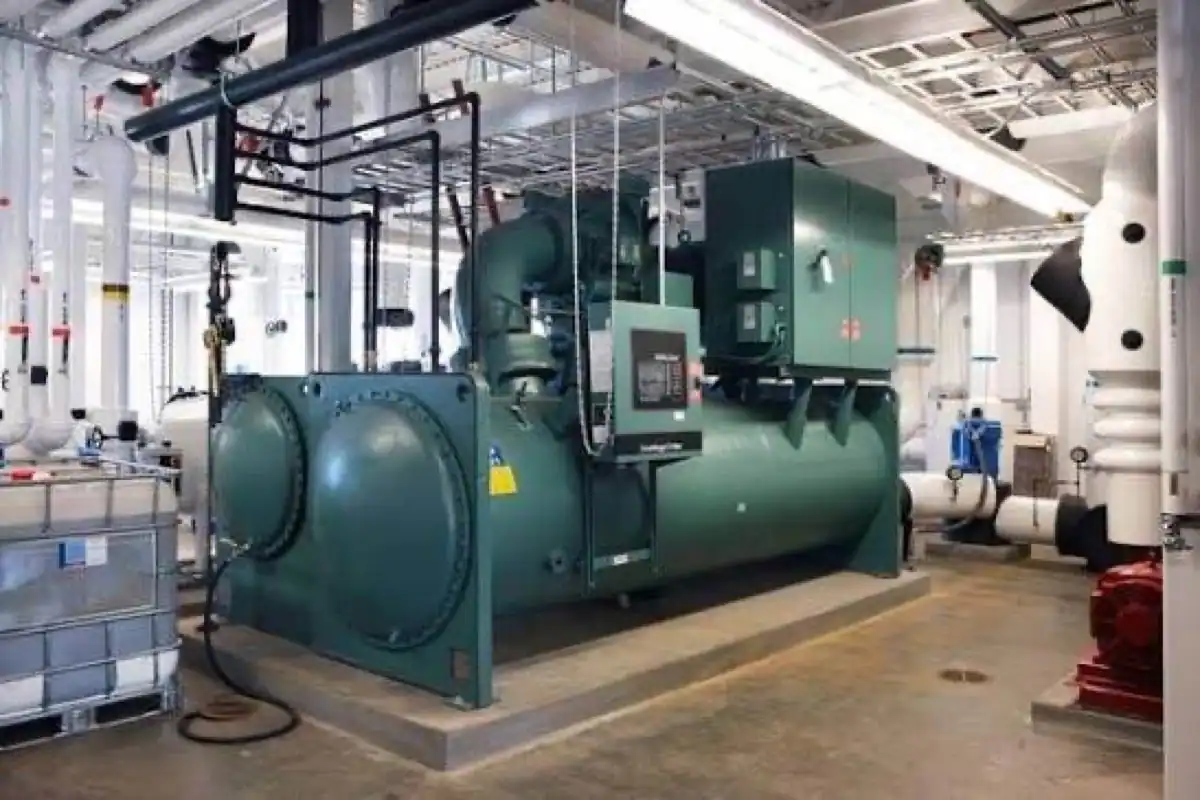
Selling a Chiller Plant: Whole or Piece by Piece?
A complete central plant sometimes sells better as a system than as components. Here is how to tell which case you are in.
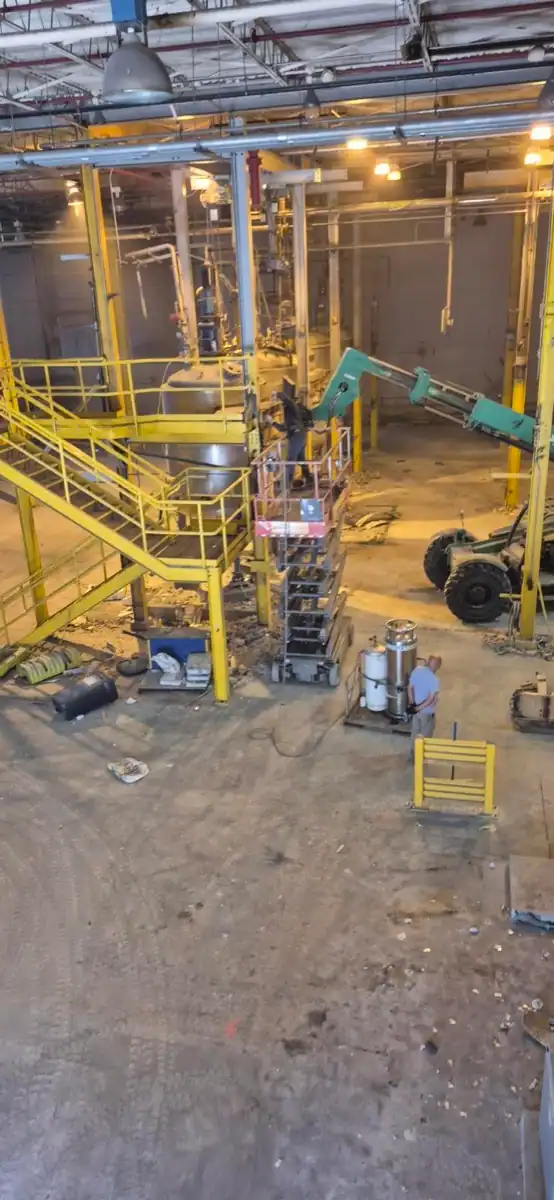
Why Removal Access Changes What Your Equipment Is Worth
A buyer prices the equipment and the extraction together. What you can do about access, and what it is worth.
What Actually Determines Used Equipment Resale Value
Age matters less than most sellers assume. Condition, documentation, removal difficulty and market depth matter more.