
How to Decommission a Chiller for Resale
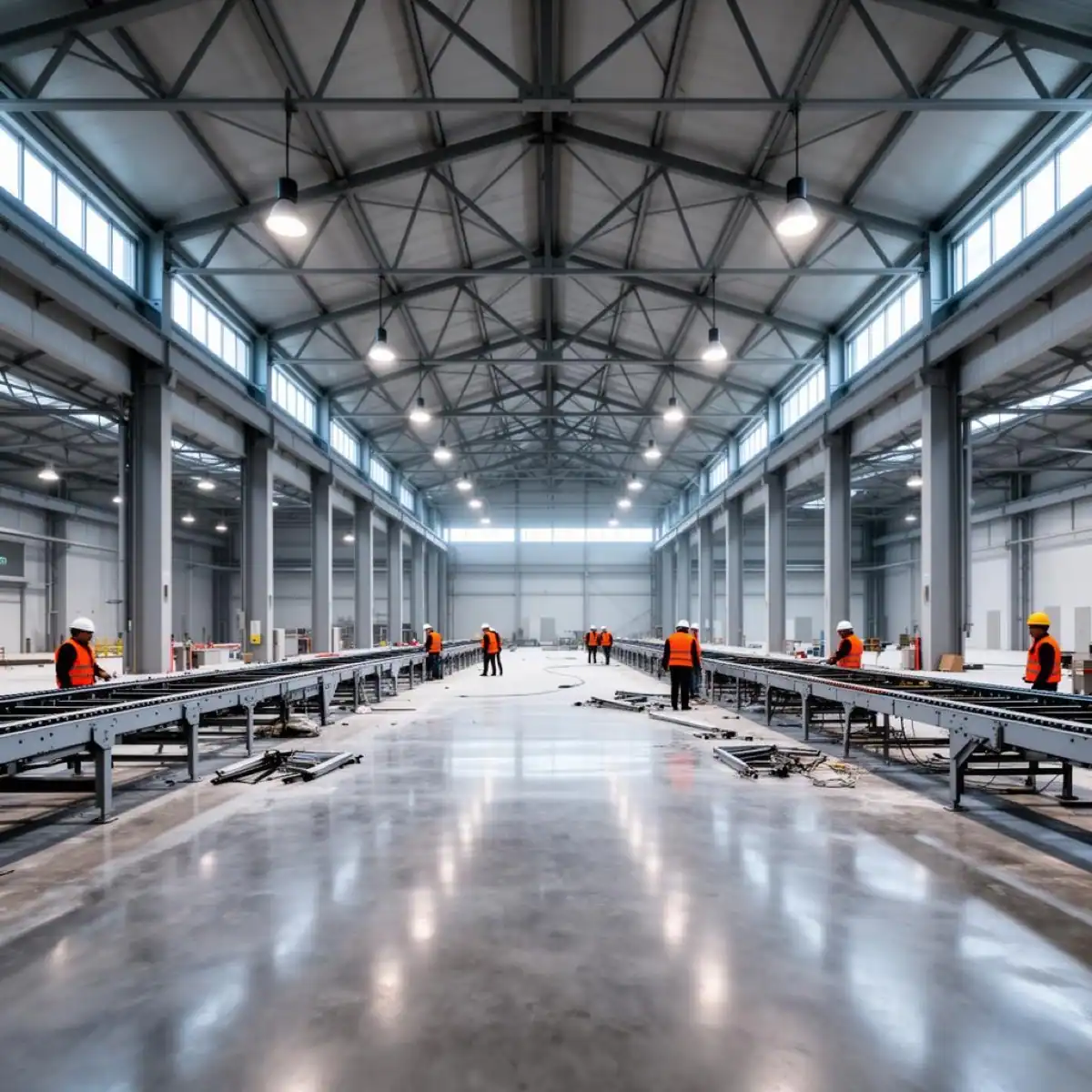
Decommissioning a chiller sounds like a demolition task, but if you're planning to sell the unit, it's really a value-preservation task. Done right, the chiller comes offline clean, complete, and documented — worth its full resale number. Done wrong, it gets drained badly, partially stripped, or disconnected in a way that leaves the buyer guessing, and the offer drops accordingly. We decommission and buy chillers constantly, and the gap between a good teardown and a sloppy one is routinely thousands of dollars.
Here's the sequence we follow and the things that matter most if resale is the goal.
Step 1: Recover the refrigerant properly
This is legally required and it's the step that trips up sellers who try to DIY. Under EPA Section 608, refrigerant must be recovered by a certified technician into approved recovery equipment before the unit is opened or scrapped. Venting is illegal and carries real fines.
- Log the refrigerant type and quantity recovered — R-134a, R-123, R-22, R-513A, whatever it is. This matters for both compliance and resale documentation.
- On current refrigerants (R-134a, R-1234ze, R-513A), the recovered charge itself has value — don't let it get wasted.
- Keep the recovery paperwork. A buyer wants proof it was pulled correctly.
If the chiller is being sold "as-is, buyer removes," this is usually the buyer's job and one less liability for you — a direct buyer brings their own certified tech and handles the recovery paperwork as part of the pickup. See how to sell your used chiller in Florida.
Step 2: De-energize and disconnect cleanly
With the refrigerant out, the electrical and piping come next.
- Lock out and de-energize the unit and confirm zero energy state before anyone touches wiring.
- Disconnect power feeds at the disconnect, not by cutting conductors mid-run. Leave the starter, VFD, and controls with the unit.
- Cap the chilled-water and condenser-water piping so the barrels drain clean and don't leave standing water in the tubes to corrode.
- Label everything you disconnect. A buyer reinstalling the unit will thank you, and it signals a professional teardown that supports your price.
Step 3: Leave the unit complete
This is the single biggest resale mistake, so it gets its own step: do not strip parts before the sale. The temptation to pull the VFD, the controls, the starter, or the safeties for "reuse elsewhere" destroys value. A complete chiller with its original controls in place is worth far more than a shell — you'll disassemble hundreds or thousands of dollars of reusable equipment to salvage fifty dollars of scrap. If a specific component genuinely needs to stay with the facility, tell the buyer up front so it's priced in, not discovered at pickup.
Step 4: Document what you did
A documented decommissioning supports a higher offer because it removes the buyer's uncertainty.
- Refrigerant recovery record (type, quantity, tech certification).
- Nameplate photos — model, serial, tonnage, refrigerant, voltage.
- Photos of the unit as it sits now, capped and disconnected.
- Any service records or run history you have.
The more the buyer can see, the less risk they price in, and the higher your number — undocumented units get discounted for uncertainty, plain and simple. See what is my used chiller worth.
Step 5: Coordinate the rigging path
Even a perfectly decommissioned chiller is only worth what a rigger can actually get out of the building. Before removal day:
- Confirm the rigging path — crane access, door widths, floor loading, and whether a temporary opening is needed.
- Confirm who's responsible for removal and disposal of anything left behind.
- Get the pickup window in writing.
A rooftop unit with crane access is quick; a basement centrifugal down a tight corridor is a project. See chiller removal and rigging cost. When we handle decommissioning as part of a larger plant cleanup, the recovery, disconnection, and rigging are one coordinated job.
A realistic timeline
Sellers often overestimate how long decommissioning takes. For a typical commercial centrifugal in an accessible mechanical room, the sequence runs about like this: refrigerant recovery on a large charge is most of a day; electrical de-energizing and disconnection is a few hours; piping cut, cap, and drain is a few hours more. Add the nameplate photos and paperwork and you're looking at one to two working days to have the unit offline, clean, and documented — before the rigging crew ever shows up. A hard-access unit or a very large machine stretches that, but the recovery-then-disconnect-then-cap order stays the same. Planning the rigging window to follow the decommissioning by a day or two, rather than scrambling both at once, is what keeps the whole job to a week of calendar time.
The Florida angle
In Florida, refrigerant recovery gets scrutinized and the humidity makes standing water in an idle chiller a fast corrosion problem — capped, drained piping matters more here than in a dry climate. A chiller left half-drained through a humid Florida summer can develop tube corrosion that visibly drops its resale grade in a single season. The upside is that the local resale market is deep, so a cleanly decommissioned unit often finds a Florida buyer without a long-haul freight bill.
Bottom line
Decommissioning a chiller for resale is about preserving value, not just getting it offline. Recover the refrigerant legally, disconnect cleanly, leave the unit complete, document everything, and plan the rigging. Skip the temptation to strip parts and you'll hand a buyer a low-risk unit that commands its full price. If you'd rather have one crew handle recovery, teardown, and removal in a single coordinated job, get a cash offer or contact us — decommissioning is what we do.
Got equipment to sell?
Cash offers in 24–48 hours. Nationwide pickup. Any condition.
Get a Cash OfferMore in Selling Equipment
Selling a Chiller Plant: Whole or Piece by Piece?
A complete central plant sometimes sells better as a system than as components. Here is how to tell which case you are in.
Why Removal Access Changes What Your Equipment Is Worth
A buyer prices the equipment and the extraction together. What you can do about access, and what it is worth.
What Actually Determines Used Equipment Resale Value
Age matters less than most sellers assume. Condition, documentation, removal difficulty and market depth matter more.