
What Is My Used Chiller Worth?
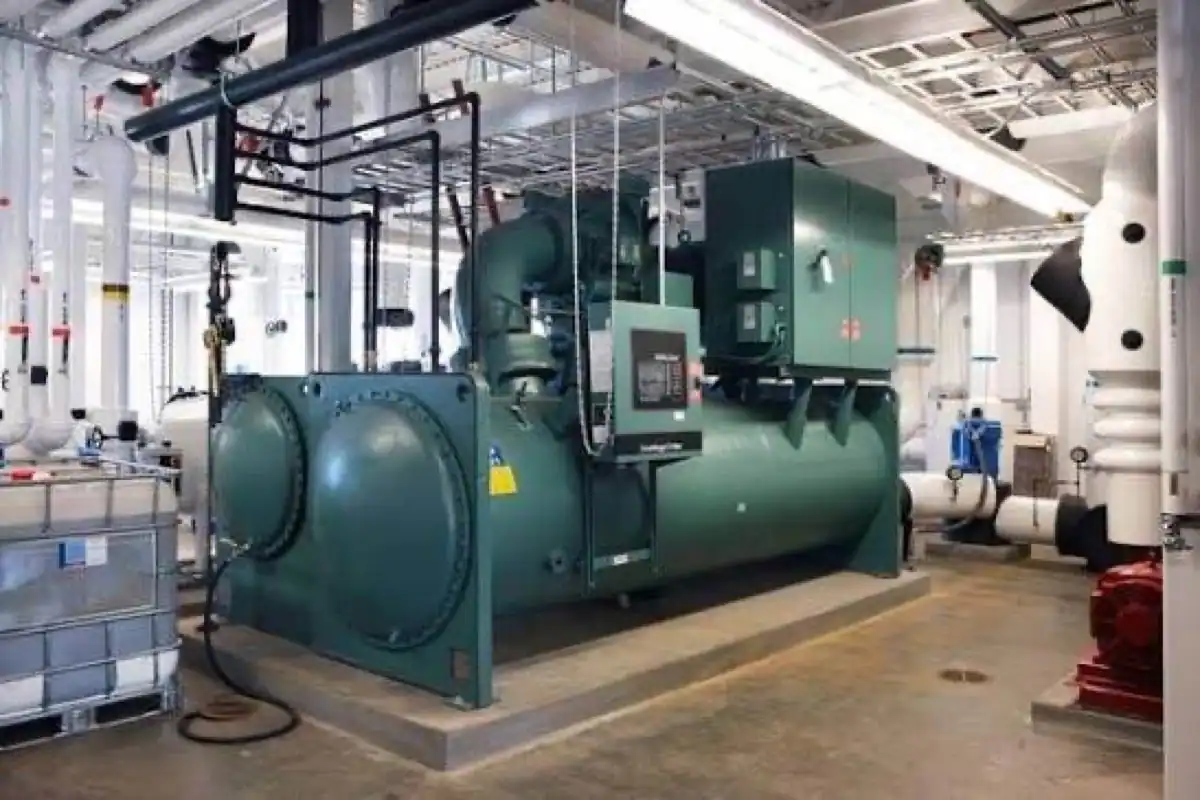
The most common question we get from a plant engineer or facility manager staring at an old chiller is simple: what's this thing actually worth? The honest answer is that it ranges from a few hundred dollars of scrap to well into five figures, and the difference comes down to five or six factors you can assess in about fifteen minutes. Most sellers underestimate the number because the scrap yard quotes them on copper weight and they assume that's the ceiling. It usually isn't.
Here's how a direct buyer actually prices a used chiller, so you can walk into the conversation knowing roughly what you're holding.
The factors that move the price
Tonnage and type. The deepest resale market is commercial centrifugal and screw chillers in the 150-ton to 1,500-ton range. Small packaged units under 50 tons compete with cheap new equipment and don't hold value. Very large process chillers over 3,000 tons have a smaller but often higher-paying specialist market.
Refrigerant. This is a bigger swing than most sellers expect. Units on R-134a, R-513A, or R-1234ze hold strong resale value. Older R-22 and R-123 chillers sell mostly for copper and compressor cores because the refrigerant is being phased down and buyers won't invest in an obsolete platform. Same tonnage, same brand — the refrigerant alone can double or halve the offer.
Run history and condition. A chiller that ran within the last 12 months, has clean tubes, and came off a maintenance contract is worth substantially more than the identical unit that sat idle for three years. Service records are the single most valuable document you can produce.
Manufacturer. York, Carrier, Trane, McQuay, Daikin, and Multistack are all strong names buyers trust. Off-brand or heavily proprietary units are buyable but priced lower.
Completeness. Original controls, VFDs, starters, and safeties in place. A partially stripped unit is worth a fraction of a complete one.
Removal access. A rooftop unit with crane access is cheap to pull. A basement unit down a tight rigging path is expensive, and buyers subtract that cost from the offer.
Rough numbers to set expectations
Every unit is specific, but for a ballpark:
- Older, small, or obsolete-refrigerant units: often a few hundred to low four figures, sometimes essentially scrap-plus-core value.
- Mid-size commercial units on current refrigerant with good history: solid four figures to low five figures.
- Large, recently-serviced centrifugals on R-134a or newer: well into five figures for the right unit with clean records.
If you want tighter numbers by tonnage, our used chiller prices in Florida guide breaks the ranges down further.
How a direct buyer prices versus a broker or scrap
Three parties will quote you, and they think differently.
The scrap yard pays for metal — copper, steel, aluminum — by weight. That's a floor, not a value. It ignores everything the unit is worth as a working machine or a rebuildable core. See scrap value of a commercial chiller for what that floor actually looks like.
A broker offers what they think they can resell it for, minus their margin, minus an assumption about removal cost and risk. A broker who doesn't do the removal themselves is guessing at your rigging complexity and tends to underpay to protect their downside.
A direct buyer like us evaluates three things at once: resale value as a running unit, value as a rebuildable core, and the recovery cost. Whichever nets highest sets your offer — and because we do our own rigging, we're not padding the number to cover unknown removal risk. That's why direct-to-buyer usually beats a broker.
The 15-minute checklist that gets you a real number
Before anyone can price it, get these:
- Nameplate photo clear enough to read model, serial, tonnage, refrigerant, and voltage. This is the most important item.
- Two exterior shots from different angles showing overall condition.
- Control panel with the door open.
- Any visible damage or leaks — be honest; surprises at pickup get renegotiated.
- The rigging path — how the unit actually comes out of the building.
- City and state, plus service records if you have them.
Send that to a direct buyer and you'll typically have a firm cash offer within 48 hours.
Timing: why waiting costs you
Value isn't static — it erodes while the unit sits. A chiller that's operational today, with a service contract and clean run history, is at its peak resale value right now. Disconnect it and let it sit, and the number starts falling: gaskets dry out, electrical components degrade, the service history goes stale, and moisture works on the tubes. Twelve months idle can move a unit from "running resale grade" to "core and scrap," which is often a difference of thousands of dollars on the same machine. This is why we tell operators to start the valuation and sale process before decommissioning, not after. If you know the chiller is coming out during a plant consolidation or an HVAC upgrade, get the nameplate photos and an offer while it's still running. You can always schedule the pickup for later — but you can't get back the value it sheds sitting cold on the pad. The seller who moves early and the seller who waits a year can be holding the identical unit and walk away with very different checks.
Bottom line
Your used chiller is almost certainly worth more than the scrap quote, and the number is driven mostly by tonnage, refrigerant, and run history. Don't strip it, don't let it sit, and don't take the scrap floor as the ceiling. Send a nameplate photo and five shots to a direct buyer and get a cash offer — or reach us directly — before you decide anything. When you're ready to move, our guide on how to sell your used chiller in Florida walks the rest of the way.
Got equipment to sell?
Cash offers in 24–48 hours. Nationwide pickup. Any condition.
Get a Cash OfferMore in Selling Equipment
Selling a Chiller Plant: Whole or Piece by Piece?
A complete central plant sometimes sells better as a system than as components. Here is how to tell which case you are in.
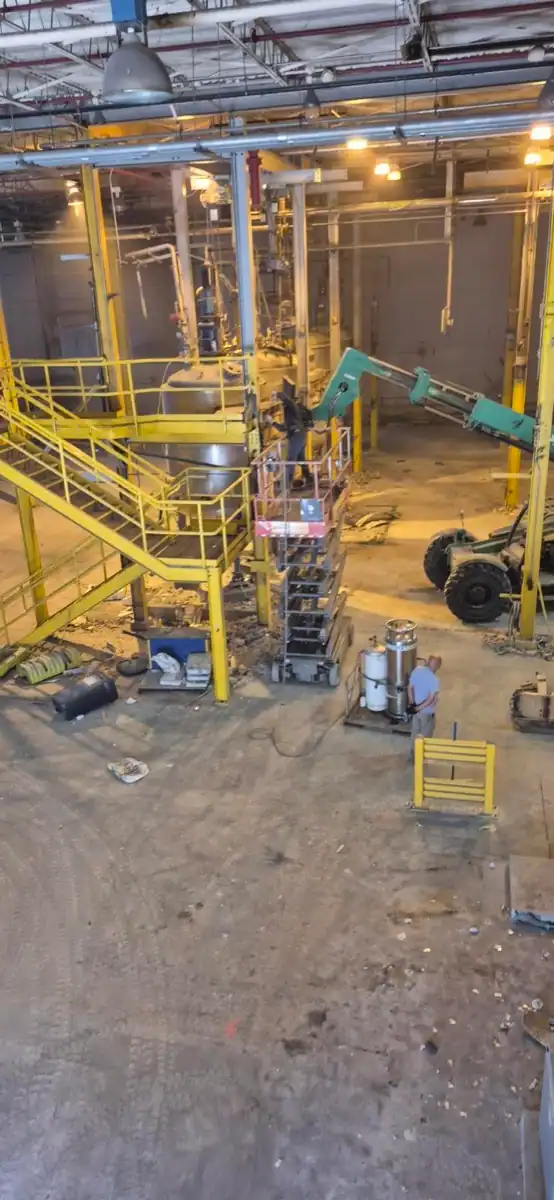
Why Removal Access Changes What Your Equipment Is Worth
A buyer prices the equipment and the extraction together. What you can do about access, and what it is worth.
What Actually Determines Used Equipment Resale Value
Age matters less than most sellers assume. Condition, documentation, removal difficulty and market depth matter more.