
The Used Chiller Buying Checklist
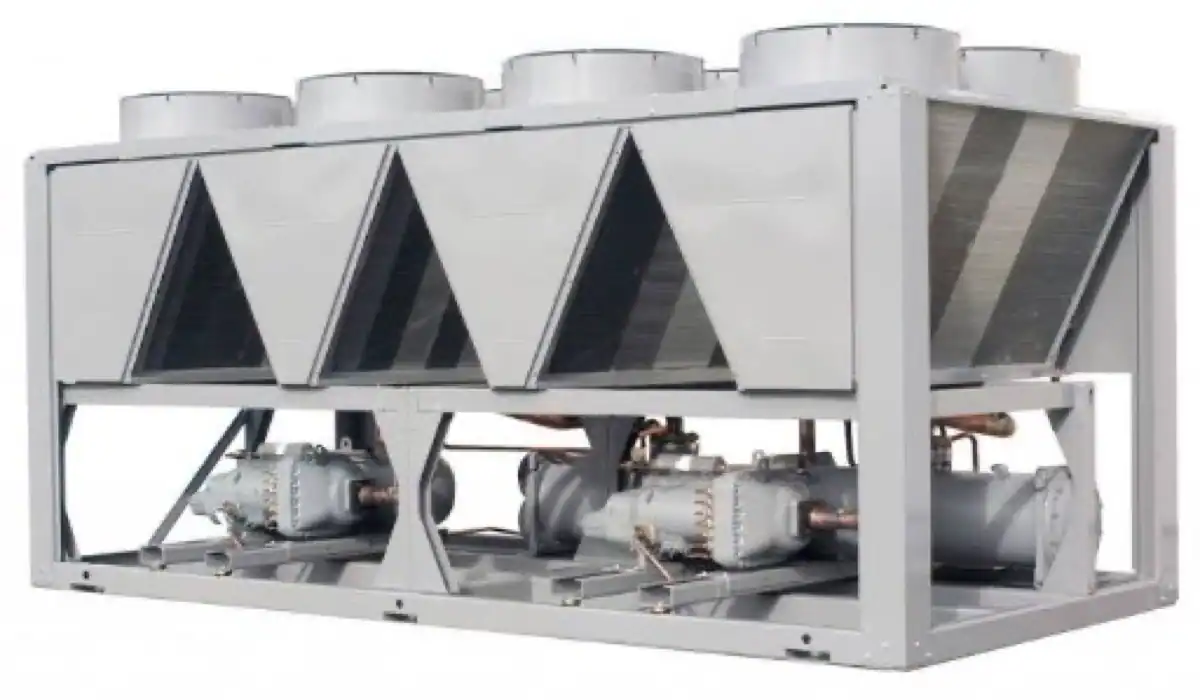
We've bought and resold enough used chillers to know that almost every bad deal traces back to a skipped step. This is the checklist we actually use in the field. Work through it before you send money, and you'll dodge the surprises that turn a 60,000-dollar bargain into a 90,000-dollar mistake.
Print it, screenshot it, do whatever — just don't buy a commercial chiller on a phone call and two photos. A used unit in the 150-to-1,500-ton range is a serious purchase that should run another 15 to 20 years. Treat it like one.
Step 1: Get the full nameplate
No nameplate photo, no deal. This is the single most important piece of information about the unit, and it takes 30 seconds to capture.
- Manufacturer and model number — confirms it's a supportable brand (York, Carrier, Trane, McQuay, Daikin, Johnson Controls, Multistack).
- Serial number — lets you pull the build year and, on some brands, service history.
- Tonnage / capacity — verify it matches what the seller claims.
- Refrigerant type — R-134a, R-513A, R-1234ze, R-22, or R-123. This drives long-term service cost.
- Voltage and full-load amps — confirms it matches your electrical service.
Step 2: Verify run history
A chiller's paperwork is worth as much as its cabinet.
- When did it last run? Operational within the last 12 months is ideal. Anything idle over two years gets scrutiny.
- Was it on a maintenance contract? Service records are the most valuable document a seller can hand you.
- Why is it being removed? An efficiency upgrade or facility closure is fine. A chronic failure is a red flag.
- Run hours — useful context, but a maintained high-hour unit beats a neglected low-hour one.
Step 3: Inspect the mechanicals
This is where the money hides. Don't rely on a fresh coat of paint. Our deep-dive on what to inspect before buying a used chiller covers each in detail, but the short list:
- Compressor oil analysis on centrifugal and screw units — reveals bearing wear and metal contamination.
- Eddy-current tube testing on evaporator and condenser bundles — catches tube-wall thinning before it floods.
- Coil and cabinet condition — critical in coastal Florida, where salt air eats condenser coils.
- Controls, VFDs, starters, and safeties — present, intact, and functional, not stripped for parts.
- Refrigerant charge and leak history — a unit that's been chasing leaks is a unit to walk away from.
Ask whether the unit was properly tested rather than just "ran when pulled." There's a real difference — see how a used chiller is tested.
Step 4: Confirm it fits your building
The best chiller in the world is useless if it's the wrong one for your load.
- Size to your actual load, not a rule of thumb. Oversizing in Florida's humid climate causes short-cycling and comfort problems. Use our guide on how to size a used chiller.
- Air-cooled or water-cooled? This decides your install scope. See air-cooled vs water-cooled used chillers.
- Electrical compatibility — voltage and amperage match your service and switchgear.
- Footprint and clearances — confirm it physically fits the pad or mechanical room with service access.
Step 5: Plan the rigging and delivery
The unit doesn't teleport into place.
- Weight: a 500-ton chiller runs 15,000 to 25,000 pounds. Know the crane and rigging requirement before you buy.
- Removal access at the source — is it a straight pull or a tight path? This is priced into any direct offer.
- Delivery route and site access at your end — rooftop, slab, or basement mechanical room.
- Storage — if you're buying during hurricane season, June through November, don't let it sit exposed.
Step 6: Nail down the paperwork and terms
- Firm price in writing, with rigging and removal scope spelled out.
- Pickup or delivery window confirmed — a serious seller schedules inside two weeks.
- Refrigerant recovery and disposal responsibility clearly assigned.
- Any warranty — as-is or reconditioned with coverage? Know before you sign. See used chiller warranty guide.
- Florida sales tax accounted for, or a manufacturing exemption confirmed with your accountant.
Red flags that end the conversation
- No nameplate photo and no run history.
- "Ran when we pulled it" with nothing to back it up.
- Seller won't allow inspection or oil sampling before payment.
- Partially stripped controls or missing starters.
- A pickup timeline that keeps sliding.
For the full list, read red flags buying a used chiller.
Questions to ask the seller
The checklist above is what you verify. These are the questions that get you there fastest — ask them early and the honest sellers answer without hesitation:
- Why is the unit being removed? Upgrade and closure are good answers; chronic failure is not.
- When did it last run, and was it under a maintenance contract?
- Can I get an oil sample and a megger reading before payment? A no here usually means there's something they don't want found.
- What's included — controls, VFDs, starters? Confirm nothing's been pulled.
- Who handles rigging, refrigerant recovery, and disposal?
- What's the earliest confirmed pickup or delivery window?
We keep an expanded version in questions to ask when buying a used chiller. The answers, or the dodges, tell you almost everything about who you're dealing with.
Florida-specific items
A few things only matter here, and they're easy to miss if you're used to buying up north:
- Coastal corrosion — inspect condenser coils and cabinet base rails hard on any unit that lived near the water. Salt air is unforgiving.
- Hurricane-season staging — June through November, confirm covered storage so a purchased unit isn't sitting exposed when a named storm rolls in.
- Sales tax — Florida taxes equipment purchases; confirm the number or a manufacturing exemption before you sign.
Bottom line
Buying a used chiller isn't complicated — it's just a sequence you can't skip. Nameplate, run history, mechanical inspection, fit, rigging, paperwork. Six steps. Miss one and it usually costs you more than the whole inspection would have. Do all six and you'll land a unit that runs another two decades for a fraction of new.
When you buy direct from a company that pulls, tests, and resells this gear, you skip the guesswork — we hand over the nameplate, the run history, and the test results because we captured them ourselves. Send us your load and location and we'll match you to a unit or make a cash offer, or reach out here.
Looking for used equipment?
We move chillers, boilers, generators, and cooling towers across Florida and nationwide. Tell us what you need.
Ask About Available UnitsMore in Buying Guides
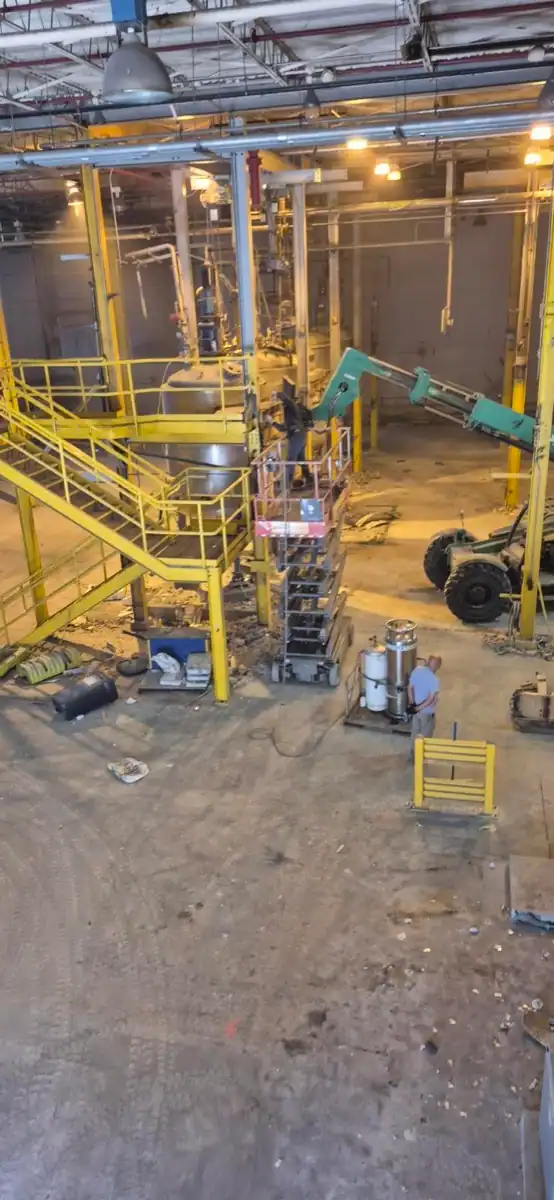
Buying Used Machine Tools From a Plant Closure
Machine tools from a closing facility can be the best value in industrial equipment, provided you evaluate wear, controls and what it takes to move.
Inspecting a Used Industrial Boiler Before You Buy
Pressure vessel condition, jurisdiction paperwork and burner package all decide whether a used boiler is a bargain or an ornament.
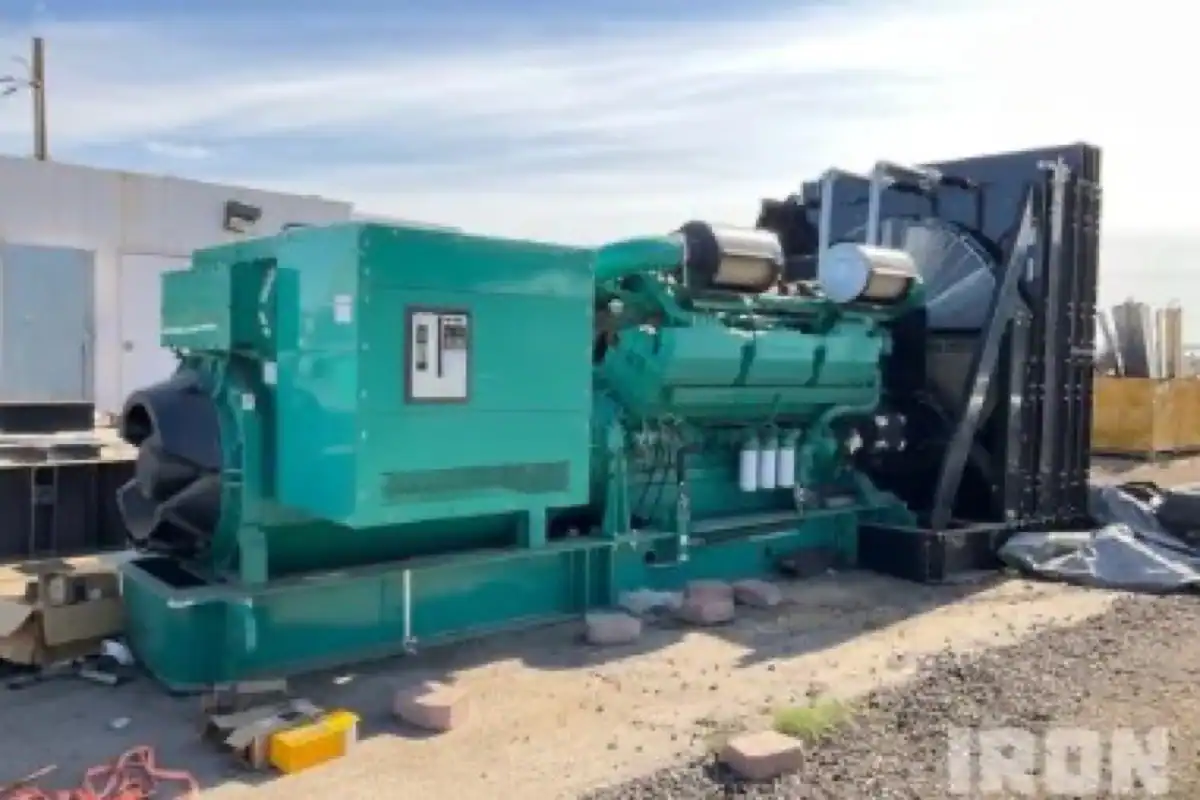
Load Testing a Used Generator Before You Buy
Hours mean little without a load test. What to test, what to look for, and what a generator's history tells you.