
10 Red Flags When Buying a Used Chiller
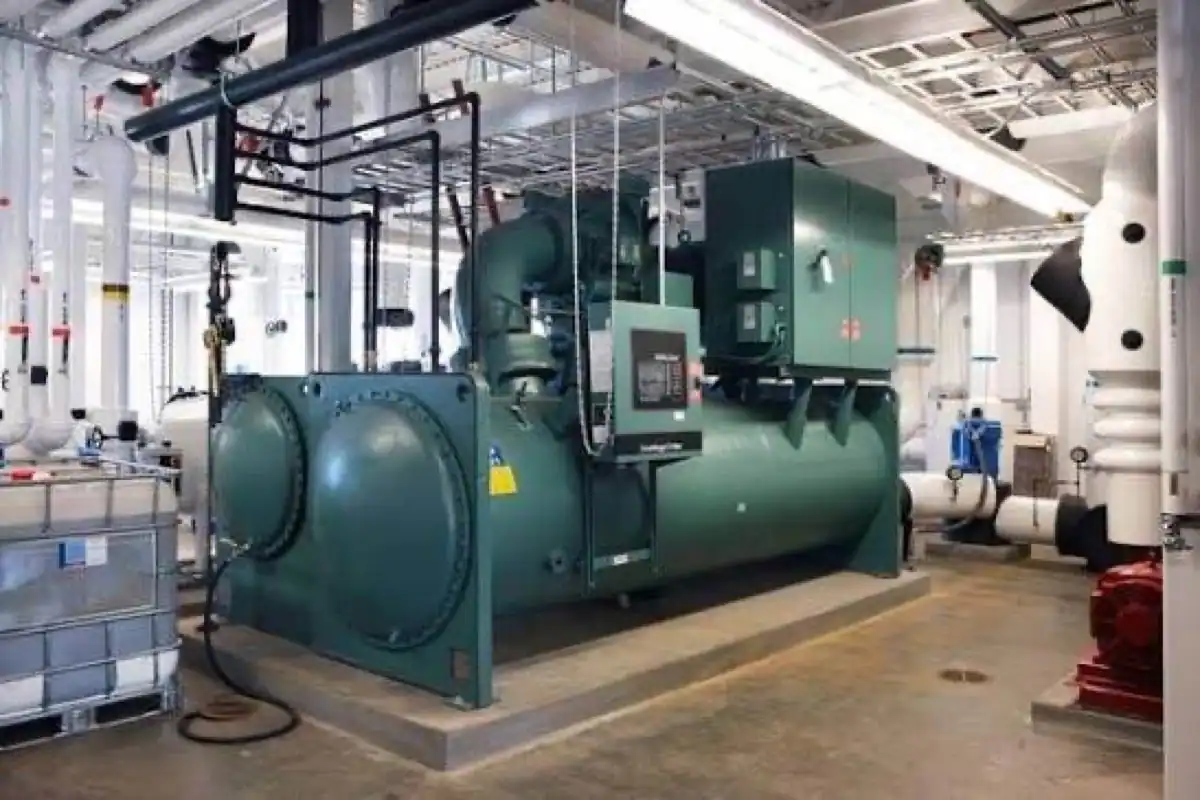
Most used chillers are honest machines sold by honest people. But the secondary market has enough bad units and vague sellers that knowing the warning signs will save you real money. We buy and resell industrial chillers every week, and the deals that go wrong almost always show a warning sign the buyer noticed and talked themselves past.
Here are the 10 red flags that should slow you down — and in some cases kill the deal — when buying a used chiller in Florida or anywhere else.
1. No nameplate photo
The nameplate carries model, serial, tonnage, refrigerant, voltage, and full-load amps. It's the single most important piece of information on the machine. A seller who can't or won't send a clear nameplate photo either doesn't have real access to the unit or is hiding what it is. This is the most basic ask in our questions to ask when buying a used chiller list, and a failure here ends most conversations.
2. No run history — or a vague one
"It was running when it came out" with no dates, no service records, and no maintenance contract is a soft answer dressed up as a hard one. A unit that ran the month it was pulled under a maintenance contract is worth real money. A unit that "ran a few years ago" and sat idle since may have seized seals, dried gaskets, and degraded electricals. Idle time is the quiet killer of used chillers.
3. R-22 or R-123 priced like current refrigerant
R-22 and R-123 are phased down or out. A unit running them still has value, but it should be priced closer to scrap-plus-core, not like a serviceable R-134a or R-513A machine. A seller pricing an old-refrigerant unit at current-refrigerant money is either uninformed or hoping you are. Our used chiller refrigerants explained guide covers what each one is worth.
4. Stripped or missing controls, VFD, or starter
A chiller with its controls, VFD, starter, and safeties harvested before sale is worth a fraction of a complete unit — and reassembling it can cost more than the discount. If photos show an open panel with parts missing or a control cabinet that doesn't match the machine, treat it as a project, not a plug-and-play unit.
5. Seller refuses inspection on a running unit
If a unit is genuinely operational, a serious seller lets you or your tech inspect it before purchase. A refusal on a machine that's supposedly running is the loudest warning sign on this list. As-is is fine when you've inspected; as-is plus no inspection is buying blind.
6. Grainy, dark, or suspiciously few photos
Serious sellers document their equipment — nameplate, both sides, control panel open, any damage, and the rigging path. A listing with two dark phone photos and no context shots is either a lazy sale or a deliberate one. What you can't see is usually what you'll pay for later. Our what to inspect before buying a used chiller guide lists the shots a real seller provides.
7. No mention of tube-bundle condition on an older unit
On any chiller over 15 years old — especially a coastal Florida unit exposed to salt air — tube-bundle condition is a major value driver. Corroded or plugged tubes are an expensive repair. A seller who has no answer on tube condition and no eddy-current results on an older machine is selling you an unknown. Ask directly.
8. A price that's too good
A 500-ton York at a quarter of fair market value isn't a gift — it's a signal. Either the unit doesn't run, the refrigerant is obsolete, the controls are stripped, or the removal is a nightmare that's about to become your problem. When the price doesn't match the market ranges in our used chiller prices in Florida guide, find out why before you get excited.
9. Vague location and a bad rigging path
"Somewhere in the Southeast" isn't a location, and a unit buried in a basement mechanical room with a restricted rigging path can cost thousands to extract. Sellers who go quiet on where the unit is and how it comes out are usually managing a removal problem they'd rather you discover after paying. Rigging complexity is a real cost — nail it down first.
10. The seller is three flips deep and never saw it run
Nothing's wrong with a good broker, but you need to know how many hands a unit has passed through. A seller flipping a photo set they got from someone who got it from someone else can't tell you the real run history, because nobody in the chain watched the machine run. Every flip adds margin and subtracts information.
How to avoid all ten at once
The cleanest way past this entire list is to buy from the crew that actually pulled the machine. When we resell a chiller we removed during plant decommissioning, the nameplate, run history, service records, and removal photos come with it — because we were standing next to it when it came off the pad. That firsthand documentation eliminates the guesswork these red flags are warning you about.
Whatever you buy, run it through our used chiller buying checklist before wiring a dollar. And factor the Florida realities — coastal corrosion, humidity load, hurricane-season rigging delays, and sales tax — into every deal.
Bottom line
Most used chillers are good machines. The ones that aren't wave flags — missing nameplates, vague run history, obsolete refrigerant priced like new, stripped controls, refused inspection, and prices too good to be real. None of these individually always kills a deal, but a machine flying two or three of them is telling you something. Slow down, ask the hard questions, and verify before you pay.
Want a unit with none of these problems? Tell us the tonnage and brand you need and we'll give you documented, honestly-represented machines — or if you're on the selling side, we buy used chillers for cash.
Looking for used equipment?
We move chillers, boilers, generators, and cooling towers across Florida and nationwide. Tell us what you need.
Ask About Available UnitsMore in Buying Guides
Buying Used Machine Tools From a Plant Closure
Machine tools from a closing facility can be the best value in industrial equipment, provided you evaluate wear, controls and what it takes to move.
Inspecting a Used Industrial Boiler Before You Buy
Pressure vessel condition, jurisdiction paperwork and burner package all decide whether a used boiler is a bargain or an ornament.
Load Testing a Used Generator Before You Buy
Hours mean little without a load test. What to test, what to look for, and what a generator's history tells you.