
How to Sell a Used Transformer
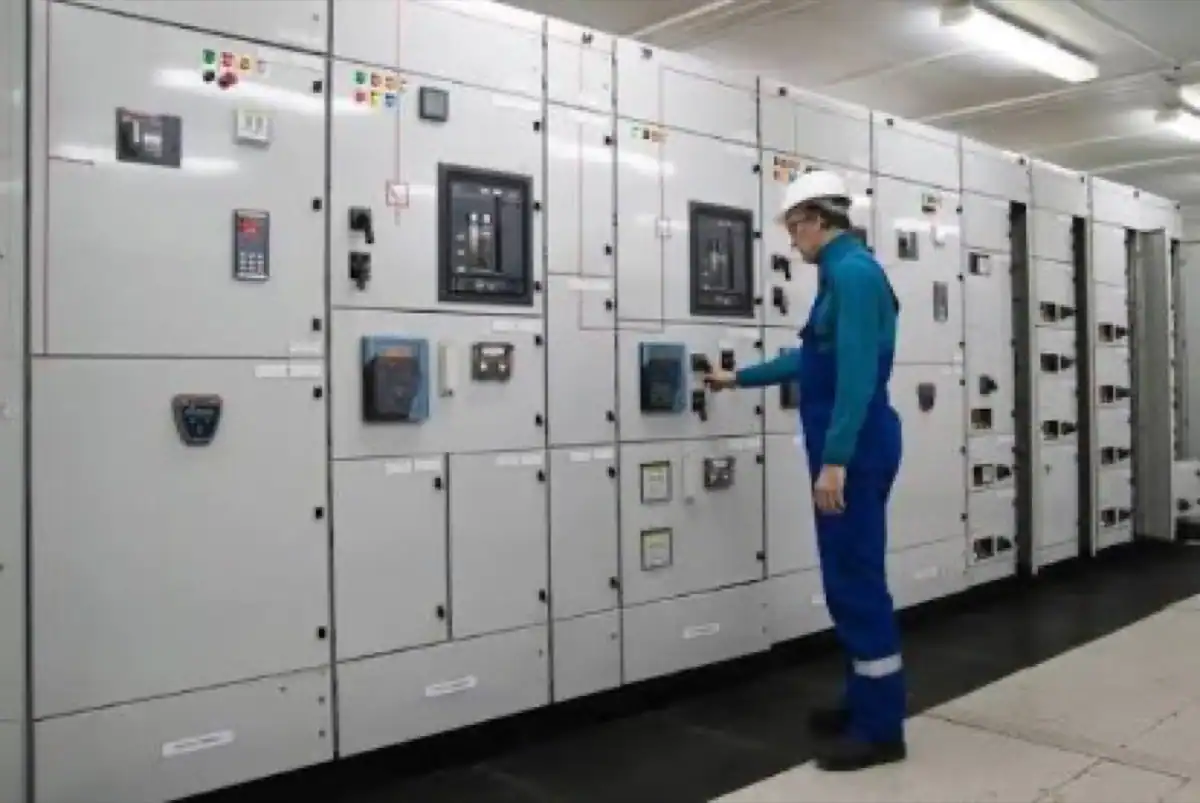
A transformer is one of the few pieces of plant equipment that holds resale value almost regardless of age, because the core and coil inside it are essentially copper, aluminum, and steel arranged in a way that still works decades later. Owners who scrap a healthy unit for its metal content routinely leave thousands of dollars on the table. If your transformer still holds a load and passes basic testing, it belongs in the resale channel, not the scrap pile.
We buy transformers directly and move them back into service through our transformer buying program. Here is how a seller gets the number right.
Step 1 — Capture the nameplate before anything else
The nameplate is the single most valuable document on the unit. Photograph it in full, then write down the four specs that drive every offer:
- kVA rating. The headline number. Common resale demand runs strongest from 75 kVA through 2,500 kVA, with pad-mount and dry-type units in that band moving fastest.
- Primary and secondary voltage. A 12,470 to 480/277 pad-mount serves a totally different buyer than a 480 to 208/120 dry-type. Voltage class narrows or widens your buyer pool more than any other spec.
- Type and cooling class. Liquid-filled (oil or less-flammable fluid) versus dry-type, and the cooling designation such as ONAN or AA.
- Manufacturer and serial. Square D, ABB, Eaton/Cooper, GE, and Cutler-Hammer units are easy to resell because parts and reputations are known.
A unit with a photographed, legible nameplate transacts faster and higher than an identical unit sold blind. The paperwork is worth real money.
Step 2 — Handle the PCB question honestly
Any liquid-filled transformer built before the late 1970s may contain PCBs in the dielectric fluid, and even some newer units were topped off with contaminated oil. This is not optional to address — it is a legal and safety gate that every serious buyer will check.
- If you have oil test results showing less than 50 ppm PCB, share them. Clean-oil documentation raises the offer.
- If the unit is untested, say so. A buyer will price in the cost of a sample-and-test, and an honest "unknown" beats a "clean" claim that fails on pickup day.
- Dry-type transformers have no oil and sidestep this issue entirely, which is part of why they move quickly.
Disclosing the PCB status up front is the difference between a firm offer and a renegotiation at the loading dock. We cover that honesty principle across the whole sell hub.
Step 3 — Understand what the unit is actually worth
A transformer's value lives in three places, and where your unit lands decides the number.
As a working machine. A tested, load-holding unit in a common voltage class sells at a resale premium far above scrap — often several times the metal value for mid-range kVA ratings in good condition.
As a rebuild candidate. Units with minor issues (a failed bushing, a bad tap changer, cosmetic corrosion) still sell to shops that recondition and warranty them. You get resale-minus-repair money, which still beats scrap.
As scrap plus core. A burned-out or contaminated unit is priced on its copper or aluminum content. Copper-wound transformers are worth substantially more per pound than aluminum-wound units, so the winding material matters. Even here, selling the whole unit to a buyer who recovers the core beats hauling it to a yard yourself. For a full breakdown of that decision, see our guide on scrap versus resale value of industrial equipment.
If you want a realistic sense of the resale ceiling before you list, our used transformers for sale inventory shows what tested units command on the buy-back side.
Step 4 — Prep the removal
This is where transformer sales earn or lose money, because the equipment is heavy, sometimes energized, and often liquid-filled.
- De-energize and lock out. Coordinate the utility disconnect on any pad-mount or substation unit. Nobody cuts into an energized transformer, ever.
- Confirm the weight. A 1,000 kVA liquid-filled unit can run 6,000 to 10,000 lbs. Rigging and transport are priced on that weight, so get it from the nameplate.
- Contain the fluid. Liquid-filled units must be drained or transported sealed with spill containment. A buyer who skips this is not a buyer you want.
- Clear the access path. Note door widths, dock height, and whether a crane or forklift can reach the pad.
Always compare offers on a removal-included basis so you are not surprised by a rigging bill after the fact.
Step 5 — Sell to the right buyer
The market splits three ways. Brokers never own the unit and take a margin between you and the real buyer. Scrap yards pay metal value only and ignore the resale premium entirely. Direct end-buyers like us pay for the transformer as a machine when it is resellable and as recoverable core when it is not. For any tested, common-voltage unit, going direct captures the most.
Serving Auburndale and statewide across Florida, we handle the testing coordination, the rigging, and the haul-off in one number. Send nameplate photos and the PCB status to (689) 323-4676 or through the transformer offer form, and we will price it out — removal included.
Bottom line
A transformer that still holds a load is a resale asset, not scrap metal. Photograph the nameplate, get the PCB status settled, and take the unit to a direct buyer who pays for the machine instead of just the copper. Do that and a healthy mid-range transformer will return multiples of its scrap value — reach out and we will show you the number.
Got equipment to sell?
Cash offers in 24–48 hours. Nationwide pickup. Any condition.
Get a Cash OfferMore in Selling Equipment
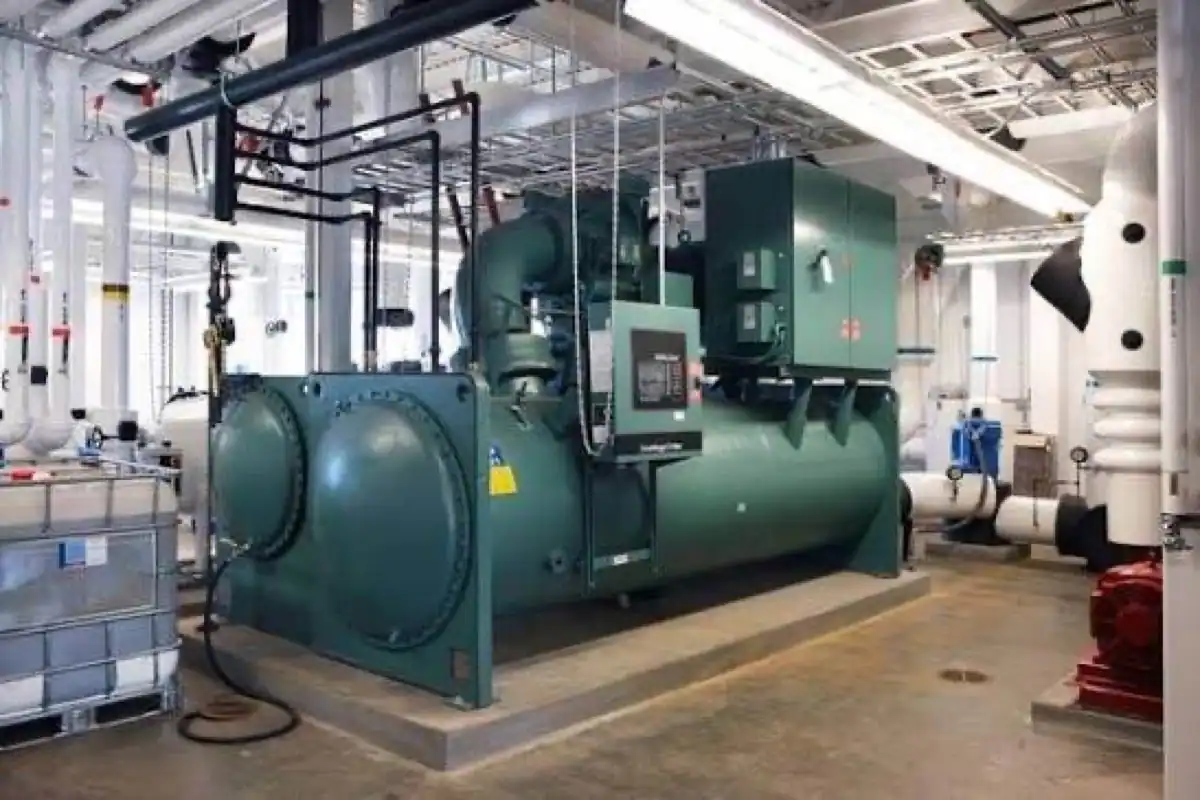
Selling a Chiller Plant: Whole or Piece by Piece?
A complete central plant sometimes sells better as a system than as components. Here is how to tell which case you are in.
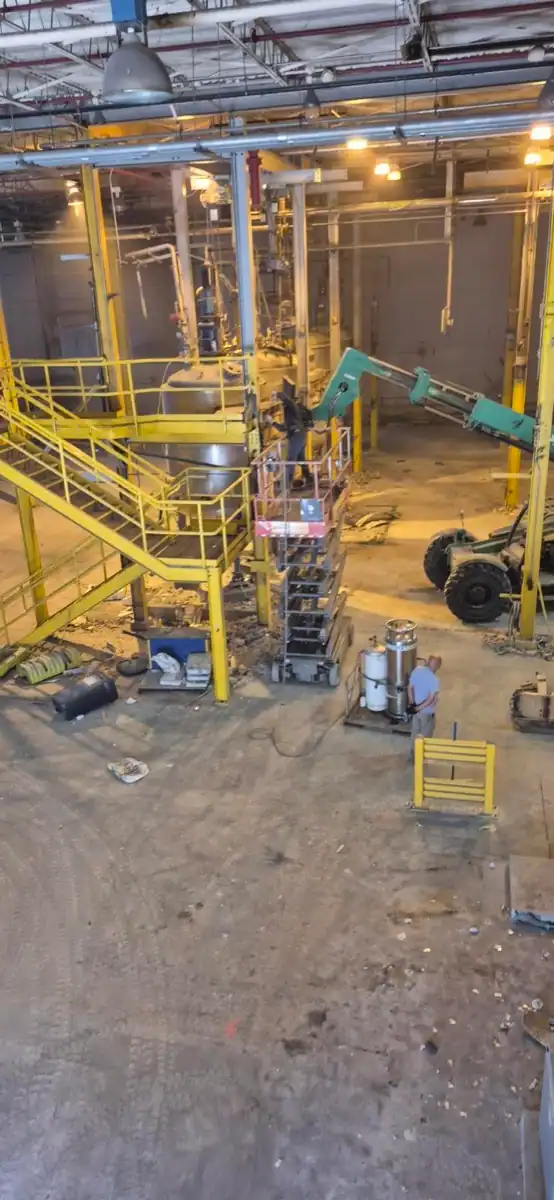
Why Removal Access Changes What Your Equipment Is Worth
A buyer prices the equipment and the extraction together. What you can do about access, and what it is worth.
What Actually Determines Used Equipment Resale Value
Age matters less than most sellers assume. Condition, documentation, removal difficulty and market depth matter more.