
Scrap vs Resale Value of Industrial Equipment
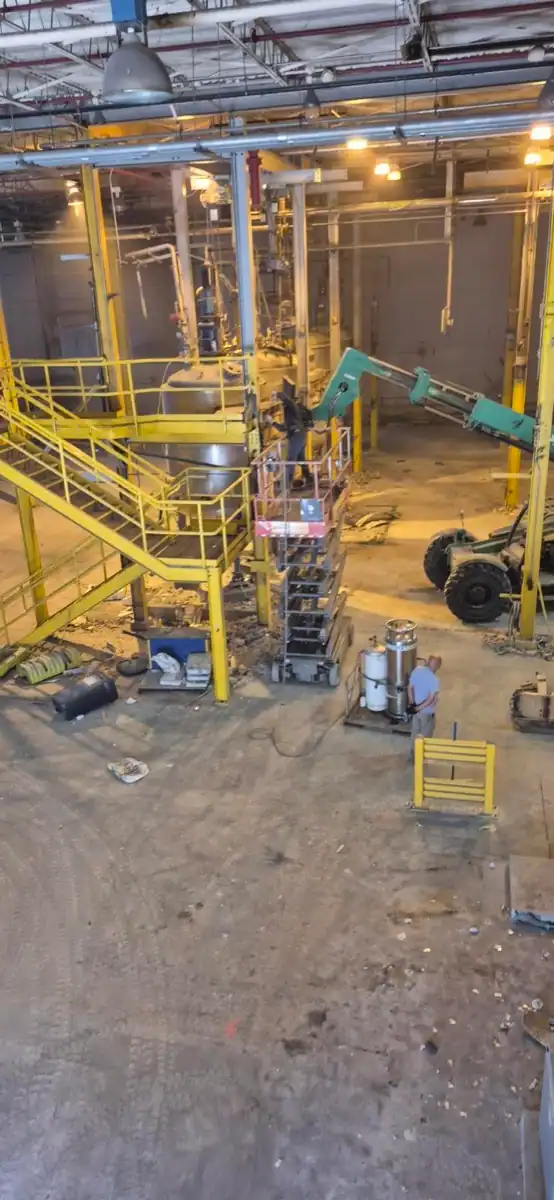
The most expensive decision in any facility cleanout is a quiet one: someone looks at a piece of equipment, decides it is junk, and sends it to the scrap yard for its metal weight. Sometimes that is the right call. Often it destroys most of the asset's value, because a working machine is worth far more than the copper and steel inside it. The gap between scrap value and resale value is frequently a factor of three, five, or more. Knowing which side a given piece lands on is the single most valuable skill in equipment disposition.
We buy equipment on both bases — resale when it is a machine, recovery when it is metal — through the sell hub. Here is how to tell the difference.
What scrap value actually is
Scrap value is metal weight times a per-pound rate, sorted by type. Copper is worth several times more per pound than aluminum, which is worth more than ferrous steel. So a piece of equipment's scrap value is really the sum of its recoverable copper (windings, bus, motor stators), aluminum (some windings, castings), and steel (frames, shells).
Scrap value is a floor. It is what the equipment is worth even if it never runs again. It is also easy to estimate and easy to sell — which is exactly why so much equipment gets scrapped that should not.
What resale value actually is
Resale value is what a buyer pays to put the machine back into service. It is driven by whether it works, how in-demand its specs are, and how complete its documentation is. A working chiller, a tested transformer, or a sound cooling tower sells as a machine — and a machine's price has almost nothing to do with its metal weight. It is set by what it would cost to buy that capacity new, minus age and condition.
This is why resale value routinely runs several times scrap value. You are selling function, not material.
The tests that decide which side you are on
For any piece of equipment, three questions settle it:
Does it work, or can it be made to work economically? A machine that runs, or that needs only a repairable fault fixed, is a resale candidate. A machine that failed catastrophically or would cost more to fix than it is worth is a recovery candidate.
Are the specs in demand? Common voltage classes, mid-range capacities, and known manufacturers resell fast. Oddball ratings and obscure brands narrow the buyer pool and pull the value toward scrap even when the unit works.
Is it documented? Nameplate photos, serial numbers, test results, and service history raise resale offers substantially. An undocumented working machine gets priced conservatively because the buyer is guessing.
If a unit passes the first two and you can document it, it is almost certainly worth more as resale than scrap.
Category by category
Transformers — tested, common-voltage units sell for several times metal content. Copper-wound units have both a higher scrap floor and a higher resale ceiling than aluminum. Only burned-out or PCB-contaminated units drop to recovery. We buy them directly through the transformer program, and tested units go back into service via our used transformers for sale listings.
Cooling towers — sound FRP and stainless units resell whole; corroded galvanized units drop to scrap-plus-parts, with the value concentrated in the fan, gearbox, and motor. We handle both through our cooling tower program, and resale units appear in used cooling towers for sale.
Switchgear — the breakers and MCC buckets carry the resale value; the empty enclosures are scrap steel and the bus is scrap copper. Most lineups are a mix of both.
Chillers, boilers, generators — working units are strong resale assets worth multiples of scrap; failed units drop to metal recovery.
Why going direct captures the gap
Three buyer types handle this differently. A scrap yard pays metal value only — it will happily take your working transformer and pay you for the copper, capturing the resale premium for itself. A broker finds a resale buyer but takes a margin between you and them. A direct end-buyer pays resale value when the unit is a machine and recovery value when it is metal, so you capture the gap instead of handing it away.
The whole point of understanding scrap versus resale is to avoid the default mistake: scrapping a machine that a direct buyer would have paid several times more for.
Get it assessed
Based in Auburndale and buying statewide across Florida, we assess each piece on the right basis — resale where it is a machine, recovery where it is metal — and we handle removal either way. Send nameplate and condition photos to (689) 323-4676 or start through the sell hub.
Before anything goes to the scrap yard, run the three tests. Most working equipment is worth far more as a machine than as metal, and once it is cut up, that value is gone for good.
Got equipment to sell?
Cash offers in 24–48 hours. Nationwide pickup. Any condition.
Get a Cash OfferMore in Selling Equipment
Selling a Chiller Plant: Whole or Piece by Piece?
A complete central plant sometimes sells better as a system than as components. Here is how to tell which case you are in.
Why Removal Access Changes What Your Equipment Is Worth
A buyer prices the equipment and the extraction together. What you can do about access, and what it is worth.
What Actually Determines Used Equipment Resale Value
Age matters less than most sellers assume. Condition, documentation, removal difficulty and market depth matter more.