
Buying Used Motor Control Centers
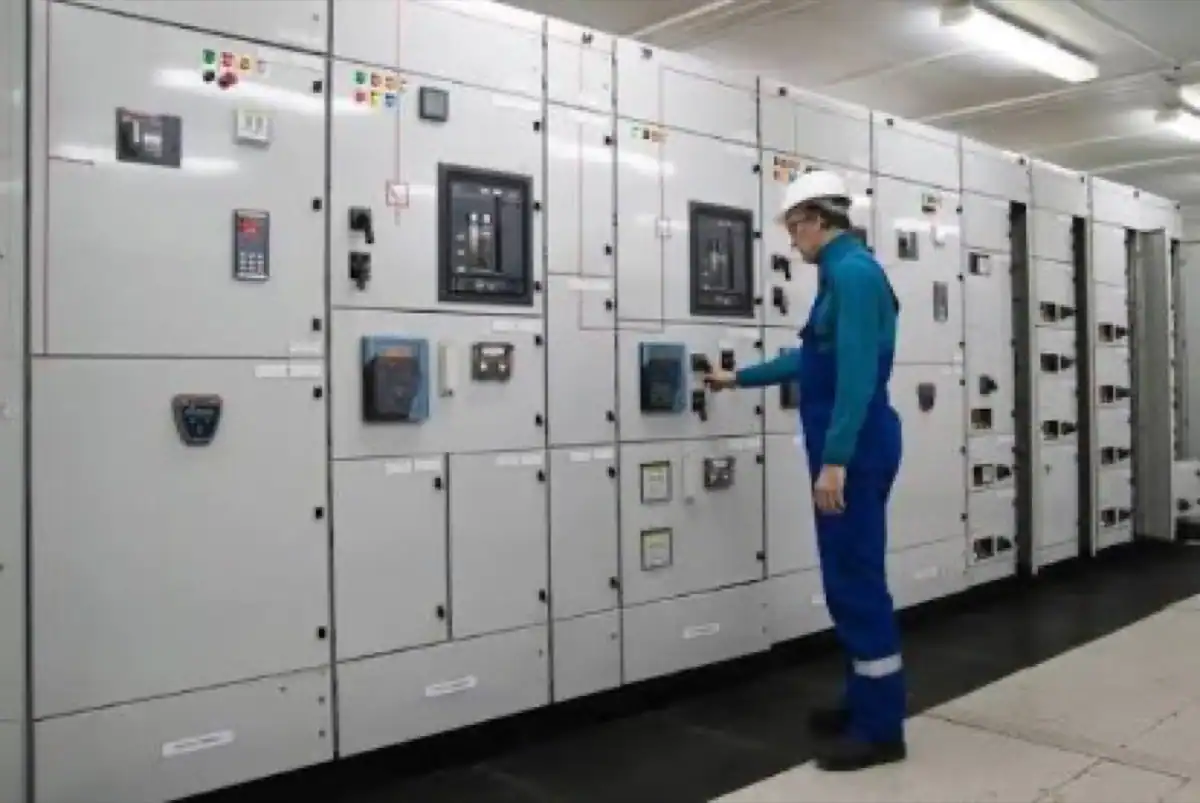
Lead times and prices for new electrical distribution equipment changed the used market considerably. Motor control centers that would once have been scrapped now have buyers waiting, and for good reason — a used MCC in decent condition can be in service in a fraction of the time a new one takes to arrive.
What you are actually buying
An MCC is a structure with a bus system and a set of removable buckets containing starters, drives and protective devices. Those are three separate condition questions and they are worth separating.
The structure and bus. The long-lived part. Check for corrosion, physical damage, evidence of water ingress, and the condition of the bus and bracing. Bus damage or heat evidence at joints is a serious finding.
The buckets. The consumable part in practice. Starters, overloads, contactors, breakers and fuses. Individually replaceable, and their condition varies within the same lineup depending on which loads worked hardest.
Any drives. Variable frequency drives in MCC buckets are the highest-value and most failure-prone components. Test them or discount them.
The specifications that matter
- Voltage rating and system compatibility.
- Bus ampacity, main and vertical.
- Short circuit rating, which has to suit your available fault current — this is a safety matter, not a preference.
- NEMA class and type, which describes the wiring and terminations you get.
- Enclosure rating, for the environment it will live in.
- Bucket sizes and starter sizes, against the motors you intend to run.
Manufacturer and vintage decide parts availability
This is the single most important practical question and it is the one buyers skip.
Some manufacturers and product lines are supported indefinitely, with buckets, parts and even new sections available. Others were discontinued decades ago, and every replacement bucket has to come from the used market.
An MCC line with good parts availability is worth substantially more than an identical-condition unit from an orphaned line, because the second one becomes unmaintainable the first time something fails.
Establish the manufacturer, the product line and the vintage before doing anything else, and check whether parts are still obtainable.
Condition red flags
Water. Rust streaks, water lines, corrosion at the bottom of sections. Water and electrical distribution equipment is a bad history.
Heat. Discoloration at connections, melted or distorted insulation, evidence of arcing. This means something ran hot or faulted.
Rodents. Nesting material and chewed insulation. Common in equipment from idled facilities and a genuine problem.
Missing components. Buckets pulled and not replaced, missing covers, missing barriers. Sometimes fine, sometimes an indication the unit was already being cannibalised.
Field modifications. Not automatically bad, and worth understanding before energising anything.
Testing before you buy
For equipment of any significant value: insulation resistance testing on the bus, contact resistance testing at bus joints, mechanical operation checks on breakers and starters, and functional testing of drives.
For a full lineup, having a testing company evaluate it before purchase is money well spent relative to the cost of the equipment.
Refurbishment as part of the plan
Most used MCCs benefit from refurbishment before service: cleaning, retorquing connections, replacing worn contactors and overloads, updating buckets to current standards where required, and testing.
Budget for it rather than assuming a unit is ready to install. Even so, the total frequently remains well below new equipment cost with immediate availability, which is the whole reason the market exists.
Where good used MCCs come from
Plant closures and consolidations, removed by people who knew what they were handling. An MCC lineup taken out carefully, kept dry and stored indoors is a different product from one that was cut out and left on a yard.
Ask where it came from and how it was stored. On electrical equipment, that history is most of the value.
Looking for used equipment?
We move chillers, boilers, generators, and cooling towers across Florida and nationwide. Tell us what you need.
Ask About Available UnitsMore in Buying Guides
Buying Used Machine Tools From a Plant Closure
Machine tools from a closing facility can be the best value in industrial equipment, provided you evaluate wear, controls and what it takes to move.
Inspecting a Used Industrial Boiler Before You Buy
Pressure vessel condition, jurisdiction paperwork and burner package all decide whether a used boiler is a bargain or an ornament.
Load Testing a Used Generator Before You Buy
Hours mean little without a load test. What to test, what to look for, and what a generator's history tells you.