
What Actually Determines Used Equipment Resale Value
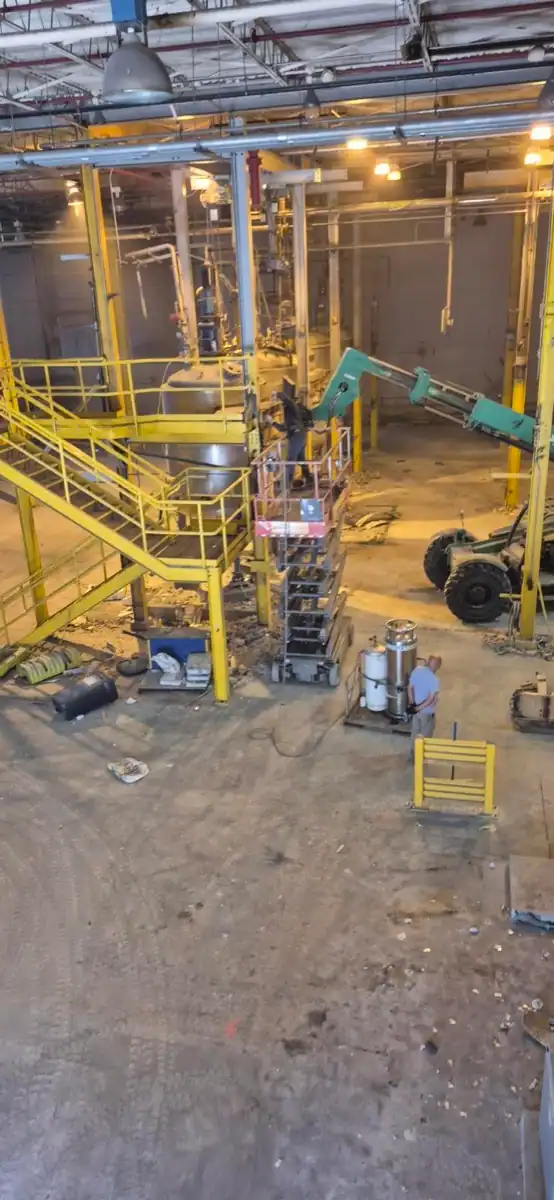
Owners preparing to sell equipment usually start with age, and age is one of the weaker predictors of what something is worth. Here is what actually moves the number.
Documentation
The most underrated factor by a wide margin. A machine with maintenance records, test results, manuals and operating history sells for meaningfully more than an identical machine without them.
The reason is simple: a buyer without documentation is pricing in risk. Every unknown becomes a discount. Records remove the unknowns.
Specific items that matter: oil and vibration analysis on rotating equipment, eddy current testing on chiller tubes, load test records on cranes and generators, inspection reports on pressure vessels, and parameter backups on CNC machinery.
All of this exists at a facility until the staff leave. Gathering it before that happens is the highest-return activity available to a seller.
Condition, and the evidence of it
Not just current condition but what it reveals about care. A clean machine that was maintained on schedule reads differently from a machine of identical age that was run to failure and repaired reactively.
Buyers read those signals accurately, and so do appraisers.
Market depth for that specific item
Some equipment has many potential buyers and some has almost none.
Deep markets: air compressors, standby generators, transformers, switchgear, motor control centers, common-tonnage chillers, pallet racking, overhead cranes in standard capacities.
Thin markets: highly customised process equipment, oversized or unusual capacities, equipment tied to a specific product or process, and anything with an obsolete control system.
A machine in perfect condition in a thin market is worth less than an average machine in a deep one. That is uncomfortable and it is how the market works.
Removal difficulty
A buyer pays for the equipment and for getting it out. Difficult removal comes straight off the price.
Equipment on a ground floor with clear access is worth more than identical equipment on a mezzanine behind a wall that has to come out. Machines requiring a crane, a roof opening, or partial dismantling all carry that cost in the offer.
Sellers can influence this. Clearing access, removing obstructions, and having accurate information about what removal involves all improve offers.
Completeness
Equipment sold with its accessories, controls, tooling and ancillaries is worth more than a bare machine — usually more than the parts would fetch separately.
Conversely, equipment that has been partially cannibalised is worth considerably less. A common pattern at closing facilities is that parts get pulled for other sites, and the remaining machine loses a disproportionate amount of value.
If equipment is going to be sold, stop stripping it.
Refrigerant, emissions and regulatory status
On chillers, the refrigerant affects value as phase-down schedules progress — buyers are cautious about investing in equipment running a refrigerant that will be difficult to obtain.
On engines and generators, emissions tier affects where the unit can be installed and for what application.
On pressure vessels, jurisdictional registration and inspection status determine whether it can be installed at all.
Timing and pressure
Equipment sold under time pressure sells for less, without exception. Buyers can see a closure deadline and they price accordingly.
The single largest controllable factor in total recovery is starting the process early enough that the sale is not forced.
Condition of the market itself
Lead times and prices for new equipment affect used values directly. When new electrical distribution equipment carries long lead times, used transformers and switchgear command strong prices. When new equipment is readily available, that premium narrows.
Timing to the market is not usually available to a seller with a fixed closure date, which is another argument for starting early enough to have some flexibility.
Got equipment to sell?
Cash offers in 24–48 hours. Nationwide pickup. Any condition.
Get a Cash OfferMore in Selling Equipment
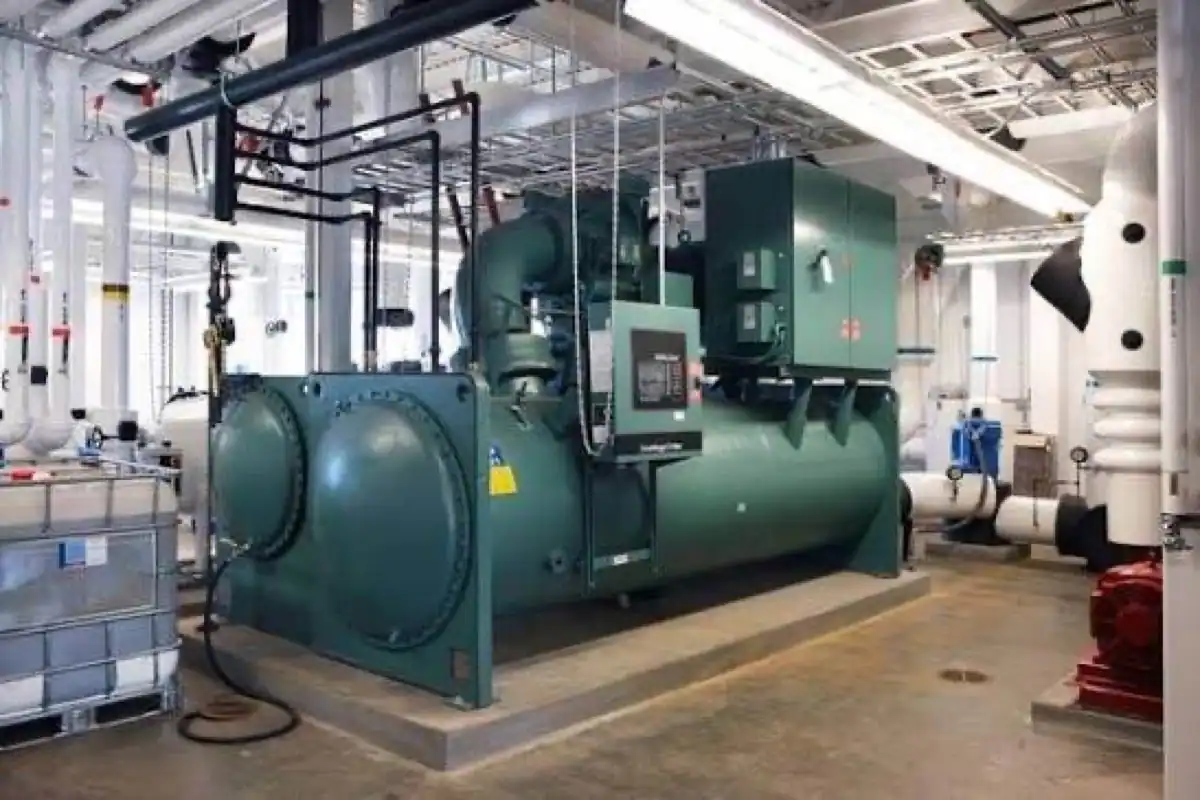
Selling a Chiller Plant: Whole or Piece by Piece?
A complete central plant sometimes sells better as a system than as components. Here is how to tell which case you are in.
Why Removal Access Changes What Your Equipment Is Worth
A buyer prices the equipment and the extraction together. What you can do about access, and what it is worth.
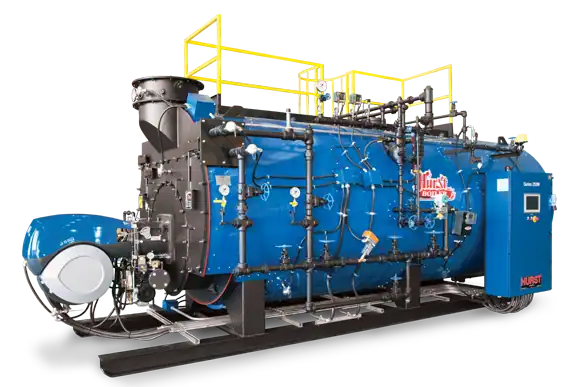
What Is a Used Boiler Worth?
The value of a used boiler comes down to a short list: type, capacity, age, burner, inspection history, and how hard it is to get out. Here is how buyers price it.