
Why Removal Access Changes What Your Equipment Is Worth
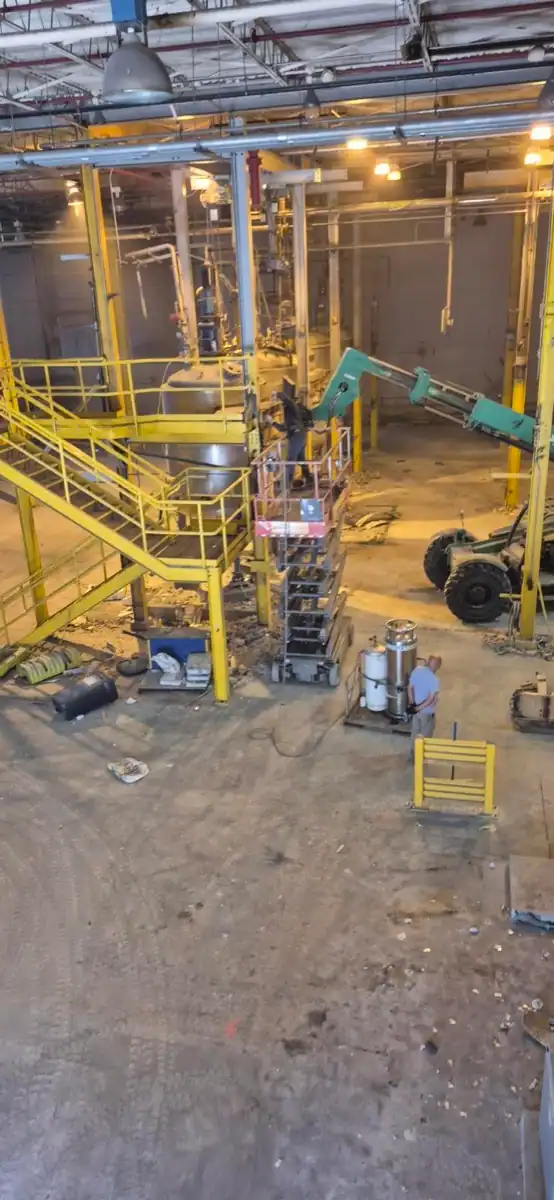
Sellers frequently get offers lower than they expected on equipment in good condition, and the explanation is usually not the equipment. It is what it takes to get it out of the building.
Buyers price the delivered cost
Any experienced buyer prices the equipment plus rigging, transport and any building modifications required. The offer you receive is the value of the machine minus all of that.
Which means two identical machines in two different buildings are worth different amounts, and the difference can be substantial.
What makes removal expensive
Location in the building. Ground floor near a dock is best. Mezzanine, basement, penthouse mechanical room or the middle of a production floor behind other equipment all add cost.
Openings. Whether the machine fits through existing doors and openings, or whether a wall, roof section or louvre has to come out and be restored.
Overhead clearance. Whether a forklift or crane can operate where the machine sits.
Floor loading. Whether the route can take the machine on rollers or a rig.
Dismantling. Whether the machine has to come apart to leave, which adds labour and risk and sometimes affects reassembly.
Crane access. Whether a crane can get close enough, and what it costs to set up. On tight urban sites, crane access is frequently the largest single line item.
Obstructions. Piping, conduit, ductwork, structure and other equipment in the path.
Chillers are the classic case
Central plant chillers are commonly installed before the building around them is finished. Getting one out means removing a wall section, opening a roof, or dismantling the machine into shipping sections.
That cost is real and buyers know it before they make an offer. It is why an owner's expectation based on comparable sales is sometimes far above what they are offered — the comparable came out through a dock door.
What a seller can actually do
Provide accurate information. Photographs of the equipment, the route out, doorways and any obstructions. Dimensions. A buyer who has to guess prices conservatively.
Clear the path. Removing obstructions, other equipment and storage from the route costs little and materially improves offers.
Allow reasonable time. Rushed removals cost more and buyers price the rush.
Coordinate with other removals. Where several buyers are extracting equipment, sequencing them so the biggest items come out first saves everyone money — and equipment that is trapped behind other equipment is worth less.
Be honest about the constraints. A buyer who discovers a problem after agreeing a price will renegotiate, and the renegotiation is worse than the honest conversation would have been.
Sell before the building is dismantled, not after
There is a temptation to leave the equipment sale until the demolition contract is settled. That inverts the value.
Equipment removed while the building is intact comes out through the routes it came in. Equipment removed from a partially demolished structure is harder to reach, exposed to weather, and frequently damaged in the process.
Where the demolition contractor fits
The reason we buy equipment and demolish the building as one project is precisely this: the removal sequence can be planned as part of the demolition rather than fought against it.
If a wall has to come out to extract a chiller and the wall is coming down anyway, that cost disappears. If the roof is being removed, lifting equipment out through it is trivial. The extraction that is expensive as a standalone job is nearly free as part of a demolition sequence.
That is why a combined appraisal and demolition quote frequently beats the sum of a separate equipment sale and a separate demolition contract — and it is worth asking for both numbers so you can compare.
Got equipment to sell?
Cash offers in 24–48 hours. Nationwide pickup. Any condition.
Get a Cash OfferMore in Selling Equipment
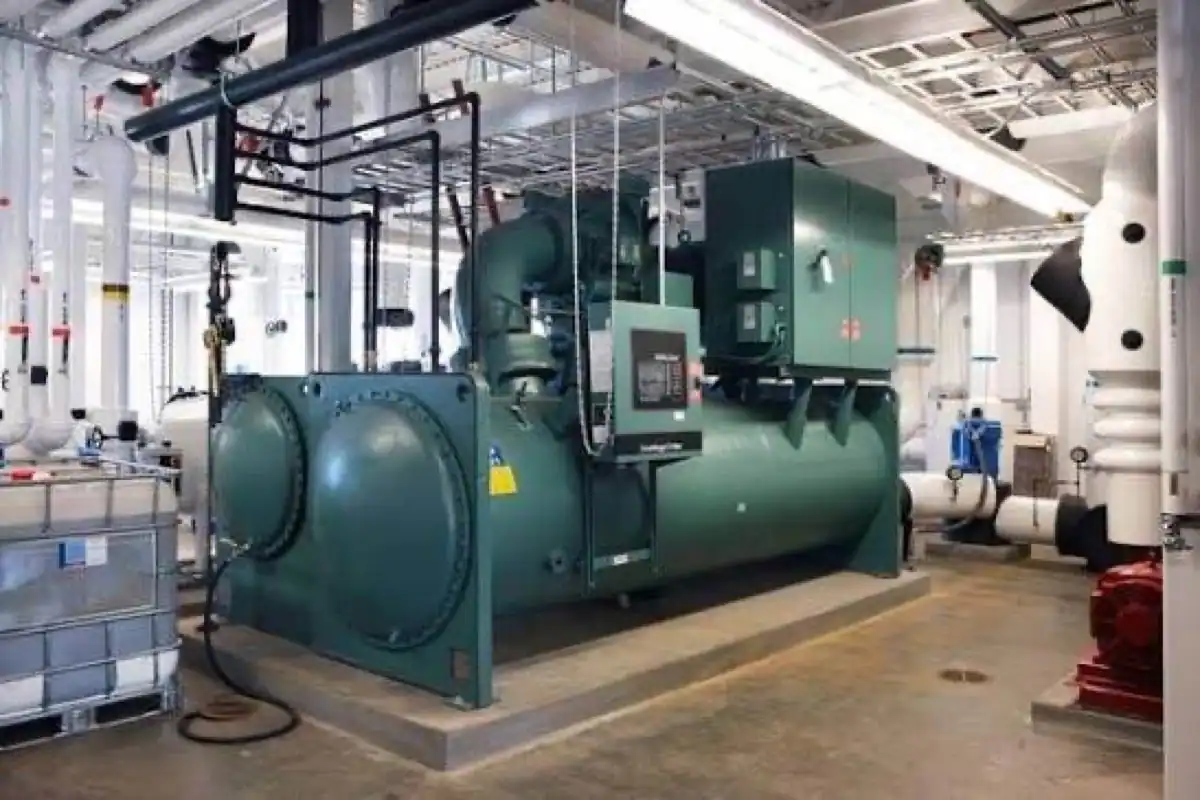
Selling a Chiller Plant: Whole or Piece by Piece?
A complete central plant sometimes sells better as a system than as components. Here is how to tell which case you are in.
What Actually Determines Used Equipment Resale Value
Age matters less than most sellers assume. Condition, documentation, removal difficulty and market depth matter more.
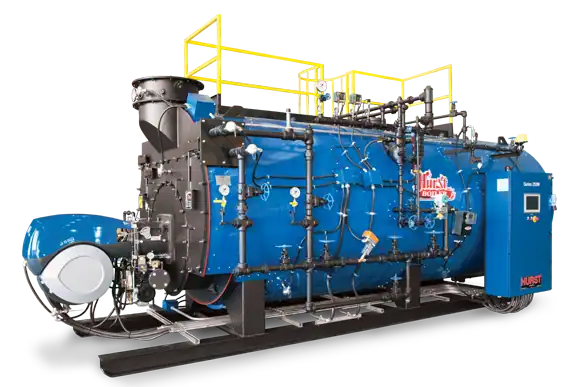
What Is a Used Boiler Worth?
The value of a used boiler comes down to a short list: type, capacity, age, burner, inspection history, and how hard it is to get out. Here is how buyers price it.