
Selling a Chiller Plant: Whole or Piece by Piece?
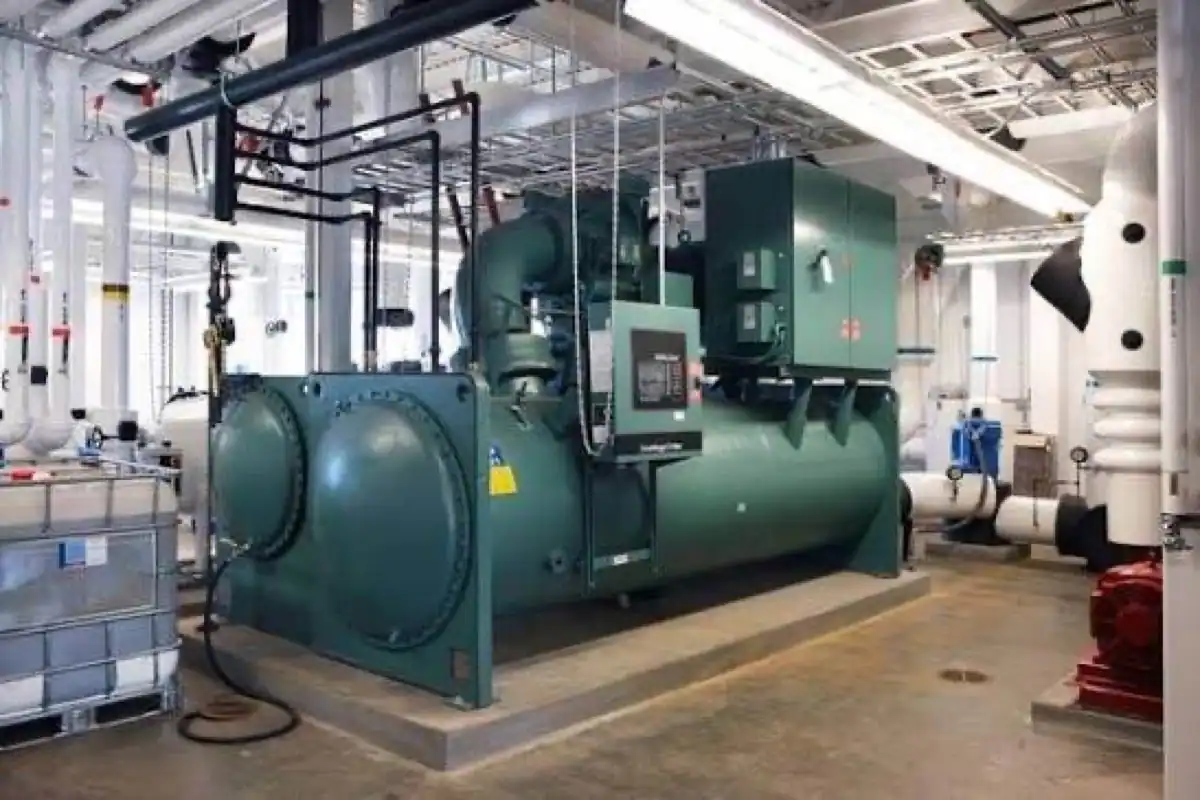
When a facility closes or converts, the central plant is usually the single largest equipment asset in the building. How it is sold determines how much of that value is realised.
The case for selling it as a package
A functioning central plant is a matched system — chillers sized to towers, pumps sized to the loop, controls that tie it together, and a documented operating history. For a buyer building or retrofitting a plant of similar size, that is worth more than the sum of parts, because the engineering is already done.
Package sales also move faster. One transaction, one removal, one schedule, and no residual equipment left over that nobody wanted.
Where a plant is relatively modern, well documented and of a common size, the package route frequently wins.
The case for selling components
Component sales generally realise a higher total when:
- The equipment is of mixed age and condition. Nobody wants a package where half of it is at end of life.
- The chillers are a popular size and the rest of the plant is not.
- Demand is uneven — chillers and switchgear sell readily, older pumps and towers less so.
- The plant is unusually large, which shrinks the pool of buyers for a package.
The tradeoff is time and effort. Component sales mean multiple buyers, multiple removals, and coordination that takes considerably longer.
What drives value in either case
Chillers. Type, tonnage, refrigerant, age, hours and maintenance history. Centrifugals in common tonnages sell well. Refrigerant matters more than it used to, as phase-down affects what buyers want to invest in.
Cooling towers. Condition of fill, structure and basin. Towers age visibly and honestly — a tower in poor condition is not worth moving.
Pumps and motors. Steady demand, moderate value.
Switchgear, transformers and MCCs. Frequently the second-highest value category and routinely overlooked when an owner is thinking about the chillers.
Controls. Rarely worth much on resale unless recent and from a supported platform.
Piping and specialties. Scrap value mostly, though large valves and specialties are worth separating.
Documentation raises the price
Maintenance records, eddy current test results on chiller tubes, refrigerant logs, vibration analysis, oil analysis, and the operating history. A chiller with a documented service record sells for meaningfully more than an identical machine with no history, because the buyer is not guessing.
This documentation exists at the facility until the maintenance staff leave. Collecting it early is the cheapest thing an owner can do to raise the sale price.
Removal is part of the deal
Chillers are large and frequently were installed before walls existed. Getting one out may require removing a section of wall, roof or louvre, using a crane, or dismantling the machine.
That cost affects what buyers will pay, and it is why the removal terms need to be part of the negotiation rather than an afterthought. A buyer who discovers the removal cost after agreeing a price renegotiates.
Timing
Central plant equipment sells better when there is time to market it. A plant that must be empty in three weeks sells at a discount that every buyer can see coming.
Where a closure date is known well in advance, starting the equipment conversation early is worth real money.
The simplest path
Selling to a buyer who also removes the equipment and handles the demolition collapses three transactions into one. The appraisal, the purchase and the removal are the same conversation, the schedule is controlled by one party, and the recovery value comes straight off the demolition cost.
That is the arrangement we work in most often, and for owners whose priority is a clean exit rather than the last dollar, it is usually the right one.
Got equipment to sell?
Cash offers in 24–48 hours. Nationwide pickup. Any condition.
Get a Cash OfferMore in Selling Equipment
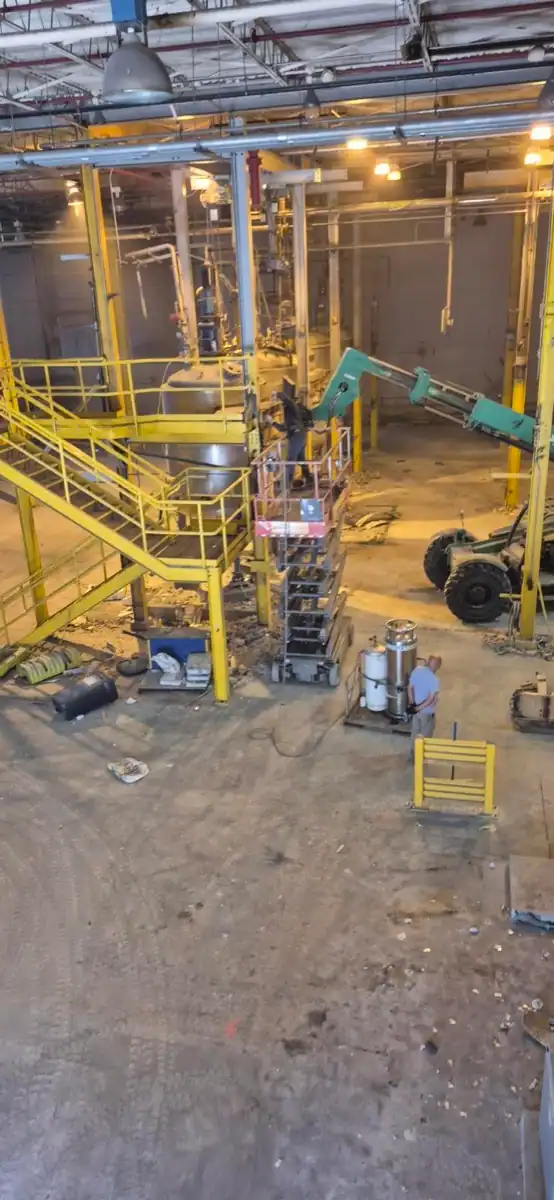
Why Removal Access Changes What Your Equipment Is Worth
A buyer prices the equipment and the extraction together. What you can do about access, and what it is worth.
What Actually Determines Used Equipment Resale Value
Age matters less than most sellers assume. Condition, documentation, removal difficulty and market depth matter more.
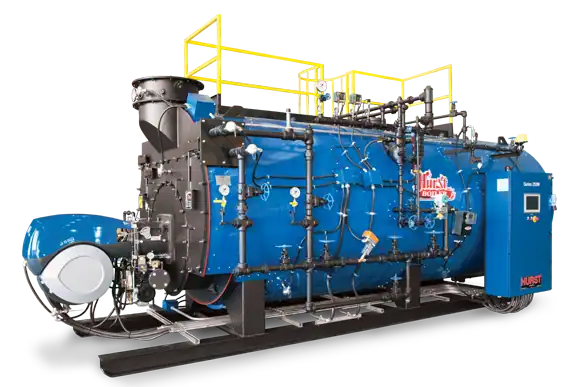
What Is a Used Boiler Worth?
The value of a used boiler comes down to a short list: type, capacity, age, burner, inspection history, and how hard it is to get out. Here is how buyers price it.