
Hurricane Damage Industrial Cleanup in Florida: What Comes First
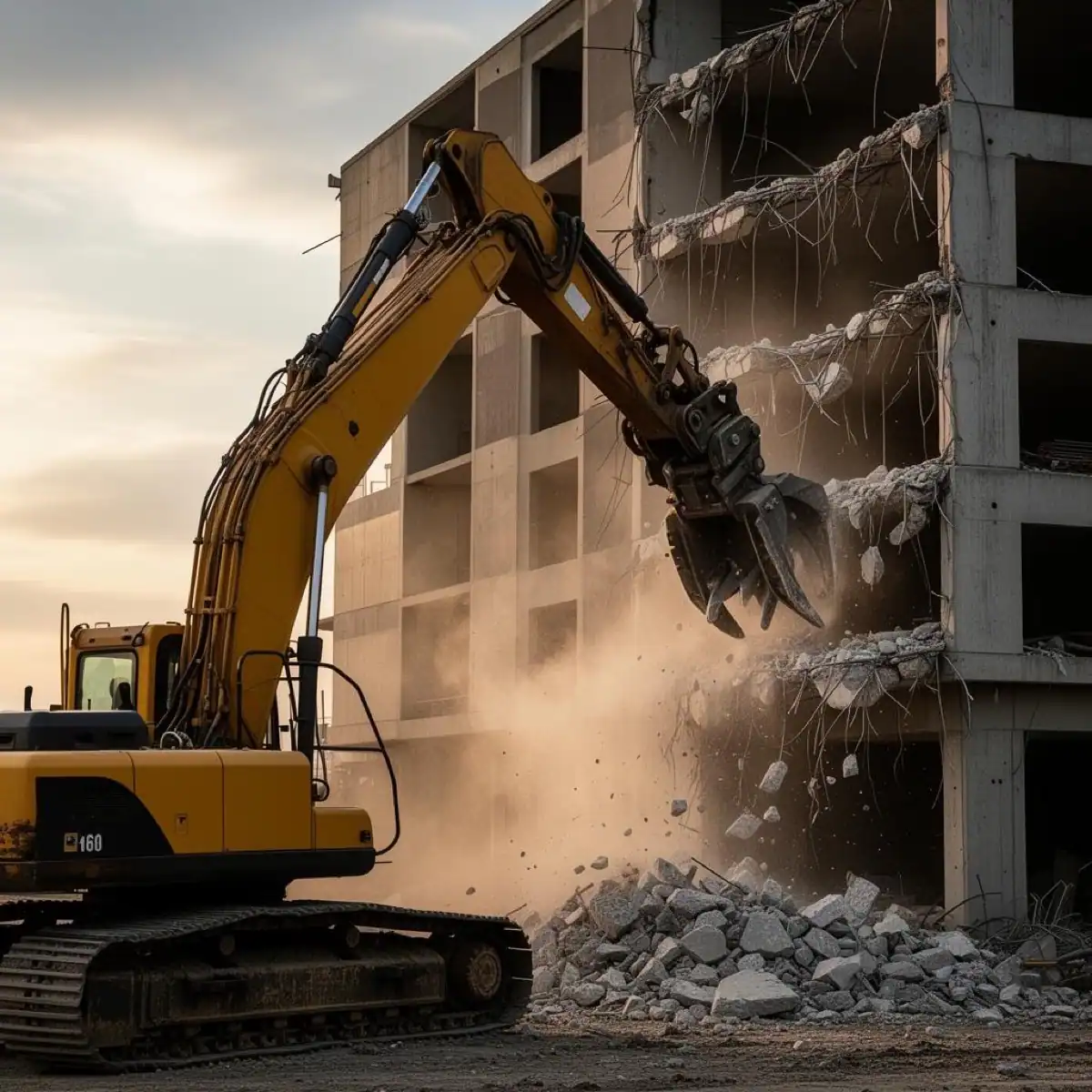
The week after a hurricane is when facilities get saved or lost. Not because of what the storm did, but because of what happens in the days immediately after — how fast water comes out, how carefully damage is documented, and whether anyone with judgment gets eyes on the mechanical and electrical systems before decisions get made in a panic.
Here is the order that works.
1. Structural safety before anything else
Nobody enters a damaged industrial building until someone qualified has assessed it. Wind-damaged steel structures can be holding load in ways they were never designed to, roof systems can be one gust from progressive failure, and standing water hides floor damage and open pits.
Assume every downed conductor is live. Assume the fire protection system is out of service. Assume any tank or vessel that shifted may have compromised piping.
2. Document before you move anything
This is the step that costs people the most money when skipped. Insurance adjusters are overwhelmed after a major storm and it can be days or weeks before one arrives. Meanwhile you need to start drying and clearing, which destroys the evidence of what happened.
So document exhaustively before you touch: photos and video of every area, wide and close, with dates. Nameplates of every damaged piece of equipment. Water lines on walls. Serial numbers. Inventory of damaged stock. Keep damaged equipment staged rather than hauled off until the adjuster has released it, if at all possible.
Take more than you think you need. You cannot go back and photograph a room you already cleared.
3. Water out, air moving — the clock is short
Mold growth in Florida heat and humidity starts fast, measured in a couple of days, not weeks. Getting standing water out and air moving is the highest-value early action for a building you intend to keep.
Practical priorities: extract standing water, remove saturated porous materials — drywall, insulation, ceiling tile, carpet — cut walls above the water line rather than trying to dry inside them, and get dehumidification and air movement running. If power is out, that means generators, which is exactly why so many facilities keep used generators on hand or scramble for them post-storm.
4. Triage the equipment carefully
Not everything that got wet is dead, and not everything that looks fine is alive. General rules that hold up:
- Motors and generators submerged in clean water can often be dried, cleaned, and rewound. Salt water is far harsher and frequently terminal.
- Switchgear and electrical distribution that has been submerged is generally not restorable to service — manufacturers are clear about this — but it still holds real copper and component value.
- Transformers may survive depending on type and depth; dry-type units that got wet internally are usually finished, oil-filled units sometimes survive with testing.
- Chillers and refrigeration often survive if the water did not reach controls and motors. Controls are the fragile part.
- Boilers and pressure vessels need inspection before being fired regardless of appearance.
Bring in someone who buys and sells this equipment for the triage, not just someone who hauls scrap. The difference between "restore," "sell as-is," and "scrap" is thousands of dollars per unit, and a scrapper has no incentive to find the first two answers.
5. Decide: repair, strip, or demolish
Once you know the structure's condition and the equipment's condition, the decision usually becomes clear. Buildings with sound structure and localized damage get interior demolition back to a dry shell and rebuilt. Buildings with compromised structure, or where damage exceeds the value of the building on that land, get demolished.
The middle case — heavily damaged but not condemned — is where equipment recovery matters most. Even a building headed for the ground usually holds significant value in its mechanical and electrical systems, and recovering that value first is what makes the demolition affordable.
6. Watch the debris logistics
After a major storm, disposal capacity is the bottleneck. Landfills fill, tip fees move, haulers are booked, and debris staging on public rights-of-way gets managed by the county. Getting into the queue early matters, and separating clean materials — metal, concrete, vegetation — keeps your loads moving when mixed debris lines are backed up.
7. Plan the rebuild for the next one
The rebuild is the cheapest time to make the facility more survivable: elevating electrical gear and controls above the historical water line, upgrading roof attachment and openings to current wind standards, adding backup power with a proper transfer switch, and moving critical equipment off the ground floor where practical.
We work storm-damaged industrial sites
We handle post-storm cleanup, equipment triage and purchase, debris removal, and demolition across Florida — and because we buy the equipment, our assessment tells you what things are actually worth rather than what they cost to haul away.
Call (689) 323-4676 or request a quote.
Decommissioning a facility?
Full plant cleanup — equipment recovery, hazmat-aware, turnkey scopes.
Get a Plant Cleanup QuoteMore in Plant Cleanup
Utility Isolation and Lockout During a Plant Decommissioning
Every energy source in a facility has to be identified, isolated and verified before removal work starts. This is the plan that prevents the serious incidents.
What to Do With Process Piping
Miles of pipe in an industrial facility is either a disposal cost or a recovery, depending on what ran through it and how it comes out.
Closing Out a Plating Line or Process Tank System
Process tanks, plating lines and waste treatment systems have to be emptied, cleaned and documented before anything structural happens. The order is not negotiable.