
Utility Isolation and Lockout During a Plant Decommissioning
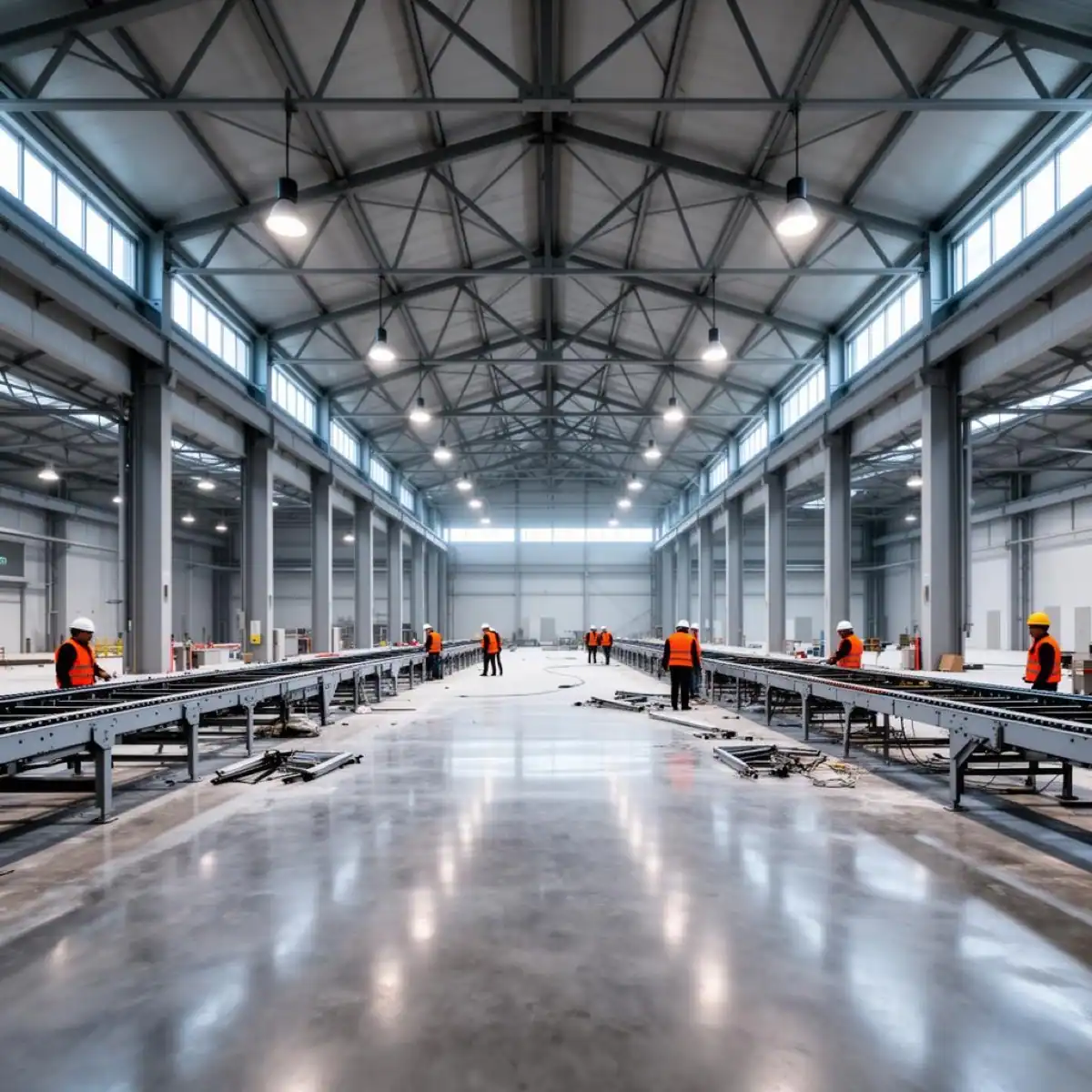
On a plant decommissioning, the most dangerous period is the beginning — when systems are being disconnected, people assume things are off that are not, and the facility's own knowledge is walking out the door as staff leave.
The isolation plan is what manages that, and it deserves as much attention as anything else in the project.
Every energy source, identified
Electrical is the obvious one and it is not the only one:
- Electrical, at every voltage present, including control power and UPS systems that stay live when the main service is opened.
- Compressed air and other pressurised gases.
- Steam and condensate.
- Hydraulic systems, which hold pressure long after pumps stop.
- Process fluids, including anything hazardous.
- Natural gas and fuel systems.
- Water, process and potable.
- Refrigerants.
- Stored mechanical energy — raised loads, springs, counterweights, flywheels.
- Gravity, on anything elevated or suspended.
- Thermal energy in hot or cold systems.
A walk-down with someone who knows the plant is the only reliable way to build that list. Drawings are useful and are almost never complete on a facility that has operated for decades.
Isolation, verification, and documentation
Isolation means a positive physical break where practical — a locked open disconnect, a blind flange, a removed spool piece — rather than a closed valve or a switch in the off position. Valves leak and switches get operated.
Verification means testing that the isolation worked: metering to confirm zero energy, bleeding pressure to confirm zero, trying the start button. An isolation that is assumed rather than verified is not an isolation.
Documentation means a written record of every isolation point, who applied it, when, and how it was verified. On a project running for weeks with multiple crews and shifts, that record is what prevents somebody re-energising a system another crew is working on.
Lockout with multiple contractors
Plant decommissioning frequently involves several contractors on site simultaneously — abatement, electrical, mechanical, riggers, demolition. That is exactly where lockout programs fail, because each has its own procedure and none has visibility of the others.
The fix is a single site-wide program with one authority, group lockout devices where multiple parties work on the same system, and a daily coordination meeting that includes every contractor on site. It is administrative, it is unglamorous, and it is what keeps everyone alive.
Stored energy is the one that surprises people
An isolated hydraulic system holds pressure. A capacitor bank holds charge after the switchgear opens. A raised platen or a suspended load holds gravitational energy indefinitely. A pressure vessel that has been isolated is still a pressure vessel.
Each of these has caused serious injuries in decommissioning work, and each is only addressed if it was on the list. That is why the walk-down with someone who knows the plant matters more than any document.
Sequencing with removal
Isolation is not a single event at the start. As equipment comes out, systems change, and what was isolated last week may now be partially dismantled with open ends. The plan needs to account for progressive isolation as the facility is taken apart.
In practice that means the isolation plan is a living document reviewed as the project moves, rather than a submittal filed at the start and never opened again.
What an owner provides
Access to plant knowledge before it leaves. Drawings, one-lines, P&IDs, equipment lists and maintenance records. And ideally a facility person available during the early phase who can answer the questions the drawings do not.
On facilities where staff have already gone, everything takes longer and the plan is built from investigation rather than knowledge. That is workable and it is more expensive, which is a good argument for starting the decommissioning conversation before the last person leaves.
Decommissioning a facility?
Full plant cleanup — equipment recovery, hazmat-aware, turnkey scopes.
Get a Plant Cleanup QuoteMore in Plant Cleanup
What to Do With Process Piping
Miles of pipe in an industrial facility is either a disposal cost or a recovery, depending on what ran through it and how it comes out.
Closing Out a Plating Line or Process Tank System
Process tanks, plating lines and waste treatment systems have to be emptied, cleaned and documented before anything structural happens. The order is not negotiable.
How Long Does a Plant Closure Actually Take?
From decision to cleared site, a full facility decommissioning runs on a longer timeline than owners expect, and the front end is where it is decided.