
What to Do With Process Piping
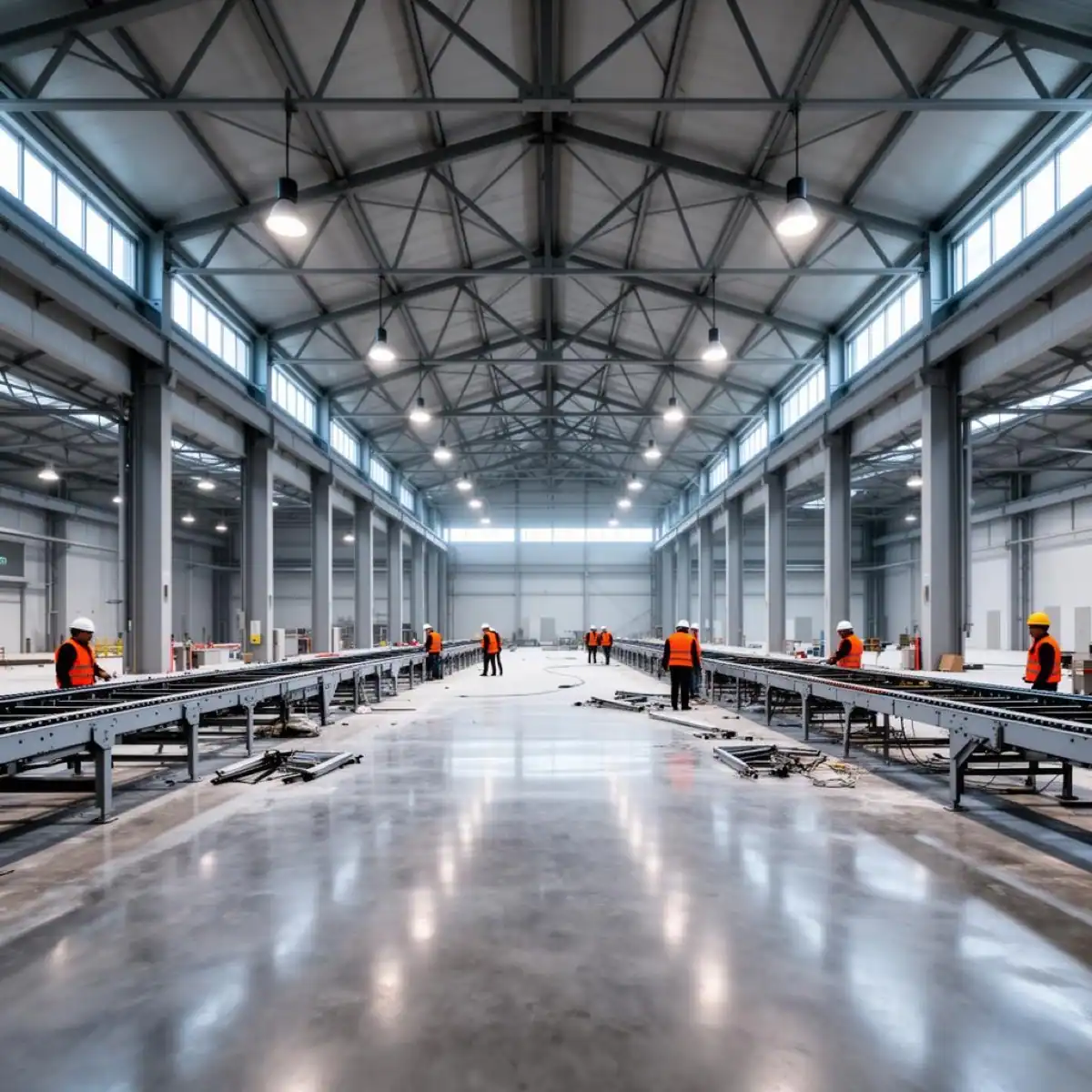
An industrial facility contains a remarkable quantity of pipe — process lines, utilities, steam, compressed air, water, drains — and on a decommissioning project it is usually the item nobody has thought about until it is time to price the job.
First question: what was in it
Everything downstream depends on this. Pipe that carried water or air is straightforward. Pipe that carried process chemicals, fuels, or anything hazardous needs draining, flushing, cleaning and documentation before it is cut.
Cutting into a line that still holds product is one of the more common serious incidents in decommissioning work. It is entirely preventable with a proper isolation and clearing plan, and it happens when someone assumes a system that has been shut down for months is empty.
Lines that carried flammables need verification that they are gas-free before hot work, the same as a tank.
Second question: what is on the outside
Pipe insulation in older facilities is a leading source of asbestos. Pipe and fitting insulation, particularly on steam and process lines, was standard for decades, and it is friable when disturbed.
That means a survey before removal, abatement by licensed contractors where present, and clearance documentation before demolition crews handle the pipe. It is one of the most common reasons a decommissioning schedule slips, and it is entirely predictable on any facility of a certain age.
Some pipe coatings also carry lead, which changes the cutting method for the same reasons it does on structural steel.
Third question: what is it made of
Material determines value, and industrial facilities carry a wider variety than people assume:
- Carbon steel. The bulk of it. Ordinary ferrous scrap value.
- Stainless. Substantially more valuable, and common in food, pharmaceutical and chemical service.
- Copper. High value, common in utility, instrument and refrigeration service.
- Aluminium. Moderate value.
- Alloy pipe. In specific process service, sometimes worth a great deal, and frequently scrapped as carbon steel because nobody checked.
Separating these during removal is what determines the return. Mixed into one pile they all sell at the lowest common price.
That last point is worth emphasising: on facilities with specialty alloy piping, failing to identify it can leave a very large amount of money in the scrap bin.
Cutting method matters
Torch cutting is fast and it is the wrong method on coated pipe, on anything not verified clean, and in areas where fire risk is significant. Mechanical cutting — shears, saws, cold cutting — is slower and appropriate more often than it is used.
The safety plan should say which method applies where, and why.
Valves, fittings and instrumentation
Do not scrap these with the pipe. Control valves, large manual valves, instrumentation, flow meters and specialty fittings frequently have resale value well above scrap, particularly in stainless and alloy service.
They come out separately, they get inventoried, and they sell as components. On a chemical or food process facility this is a meaningful category on its own.
Insulated and jacketed pipe
Removing insulation to get at the metal costs labour, and whether it pays depends on the metal underneath. On stainless and copper it generally does. On ordinary carbon steel with intact jacketing it frequently does not, and the pipe goes as-is at a lower price.
Where the insulation is asbestos, this decision is made for you — abatement happens regardless.
How we approach it
Piping is part of the inventory, not an afterthought. We identify materials, flag specialty alloys and recoverable components, price the removal against the recovery, and sequence it after clearance rather than around it.
On a well-piped process facility the piping recovery is a real number, and on a poorly planned job it is a disposal bill instead.
Decommissioning a facility?
Full plant cleanup — equipment recovery, hazmat-aware, turnkey scopes.
Get a Plant Cleanup QuoteMore in Plant Cleanup
Utility Isolation and Lockout During a Plant Decommissioning
Every energy source in a facility has to be identified, isolated and verified before removal work starts. This is the plan that prevents the serious incidents.
Closing Out a Plating Line or Process Tank System
Process tanks, plating lines and waste treatment systems have to be emptied, cleaned and documented before anything structural happens. The order is not negotiable.
How Long Does a Plant Closure Actually Take?
From decision to cleared site, a full facility decommissioning runs on a longer timeline than owners expect, and the front end is where it is decided.