
How Long Does a Plant Closure Actually Take?
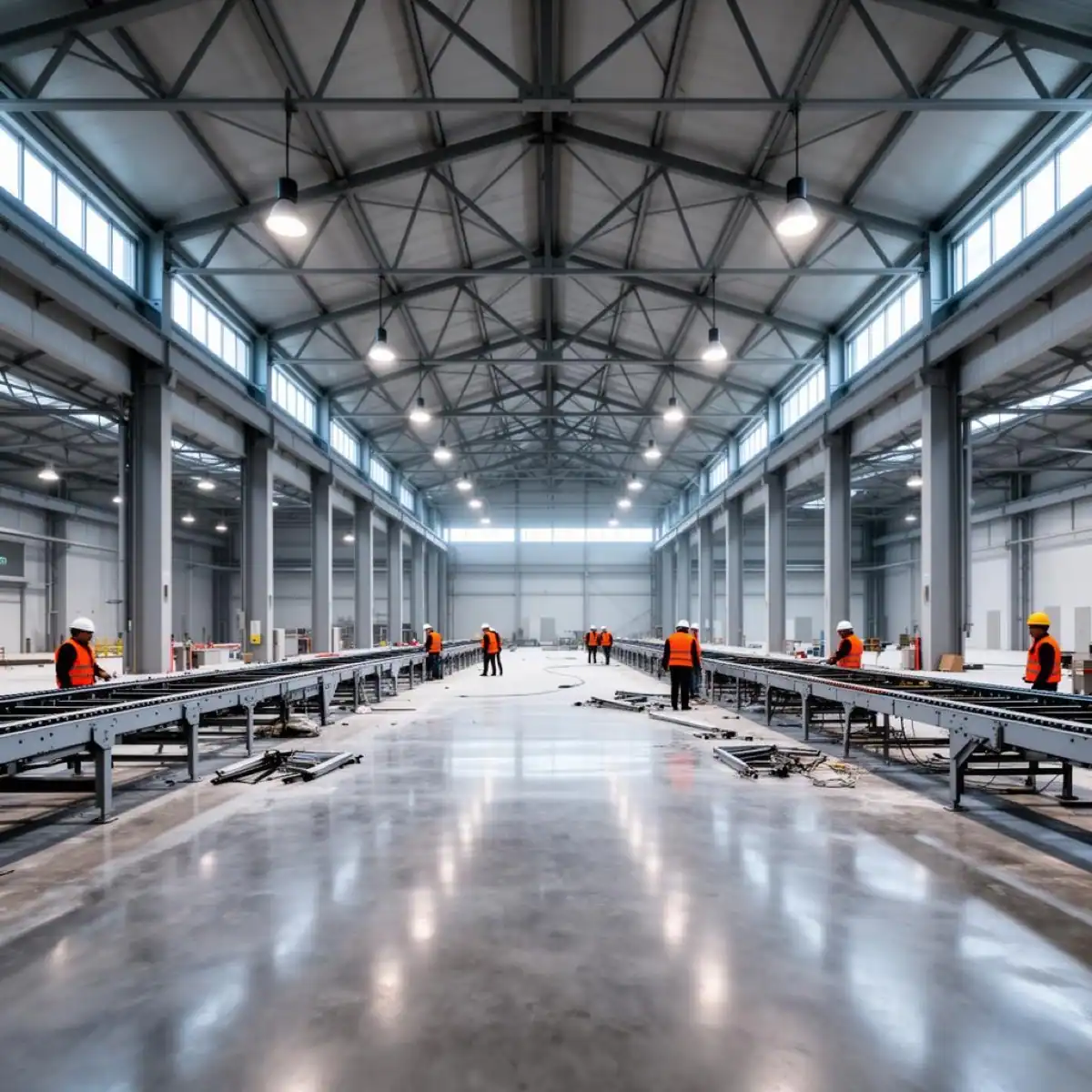
Owners planning a facility closure almost always underestimate the timeline, and they usually underestimate the same part of it: everything that happens before a demolition crew arrives.
Phase one: inventory and appraisal
Walking the facility, inventorying process, mechanical and electrical equipment, and establishing what has resale value and what does not.
This is fast relative to what follows, and it is the phase that determines the economics of everything after it. It also produces the document everyone else works from — a facility without a proper inventory gets vague bids from every contractor who looks at it.
Phase two: equipment marketing and sale
Where equipment is being sold rather than scrapped, it needs buyers. Good equipment sells; the question is how quickly and at what price.
This phase is frequently the longest lever an owner has on total recovery. A rushed sale into a short window realises considerably less than a properly marketed one. Where the site has a hard closure date, that pressure is visible to every buyer and it shows in the price.
Selling to a buyer who also does the removal and demolition compresses this substantially, which is a large part of why owners come to us — the appraisal, purchase and removal happen as one transaction rather than three.
Phase three: environmental and regulatory clearance
Asbestos and lead surveys. Refrigerant recovery. Chemical inventory clearance. Tank and vessel cleaning with documentation. Process system closure. Any required notifications.
This is the phase that most often controls the schedule, because much of it depends on third parties with their own availability and on laboratory turnaround. It also cannot be compressed by adding people.
Anything that turns up contamination moves the project into a different and considerably longer track.
Phase four: permitting and utility disconnection
Demolition permits, which require the asbestos survey and utility disconnection documentation. Utility disconnections, which run on the utilities' schedule.
These run in parallel with phase three where possible, and the utility requests should have gone in during phase one. Owners who wait until the permit application to start the utility process add weeks for no reason.
Phase five: equipment removal
Disconnection, rigging and load-out. Duration depends on the equipment — a facility with a dozen major machines is quick; one with a full production line and heavy electrical infrastructure is not.
This is also where the value is protected or lost. Equipment removed carefully retains its price; equipment cut apart to save a day becomes scrap.
Phase six: demolition and site clearance
Structural demolition, foundation and slab removal to whatever depth was specified, backfill and grading.
By this stage the project is predictable. It is the phase owners picture when they think about a closure, and it is usually the smallest part of the calendar.
What actually controls the schedule
In order: environmental clearance, utility disconnection, and the availability of specialists for anything requiring qualified handling — ammonia recovery, gas system purging, tank cleaning, abatement.
None of those speed up because a deadline exists. All of them can start earlier.
The single most useful thing an owner can do
Start the environmental surveys and the utility disconnection requests on the day the closure decision is made, before contractors are selected and before the equipment sale is organised.
Those two items sit on the critical path of nearly every plant closure, and they are the only ones that cost nothing to begin early.
Decommissioning a facility?
Full plant cleanup — equipment recovery, hazmat-aware, turnkey scopes.
Get a Plant Cleanup QuoteMore in Plant Cleanup
Utility Isolation and Lockout During a Plant Decommissioning
Every energy source in a facility has to be identified, isolated and verified before removal work starts. This is the plan that prevents the serious incidents.
What to Do With Process Piping
Miles of pipe in an industrial facility is either a disposal cost or a recovery, depending on what ran through it and how it comes out.
Closing Out a Plating Line or Process Tank System
Process tanks, plating lines and waste treatment systems have to be emptied, cleaned and documented before anything structural happens. The order is not negotiable.