
Closing Out a Plating Line or Process Tank System
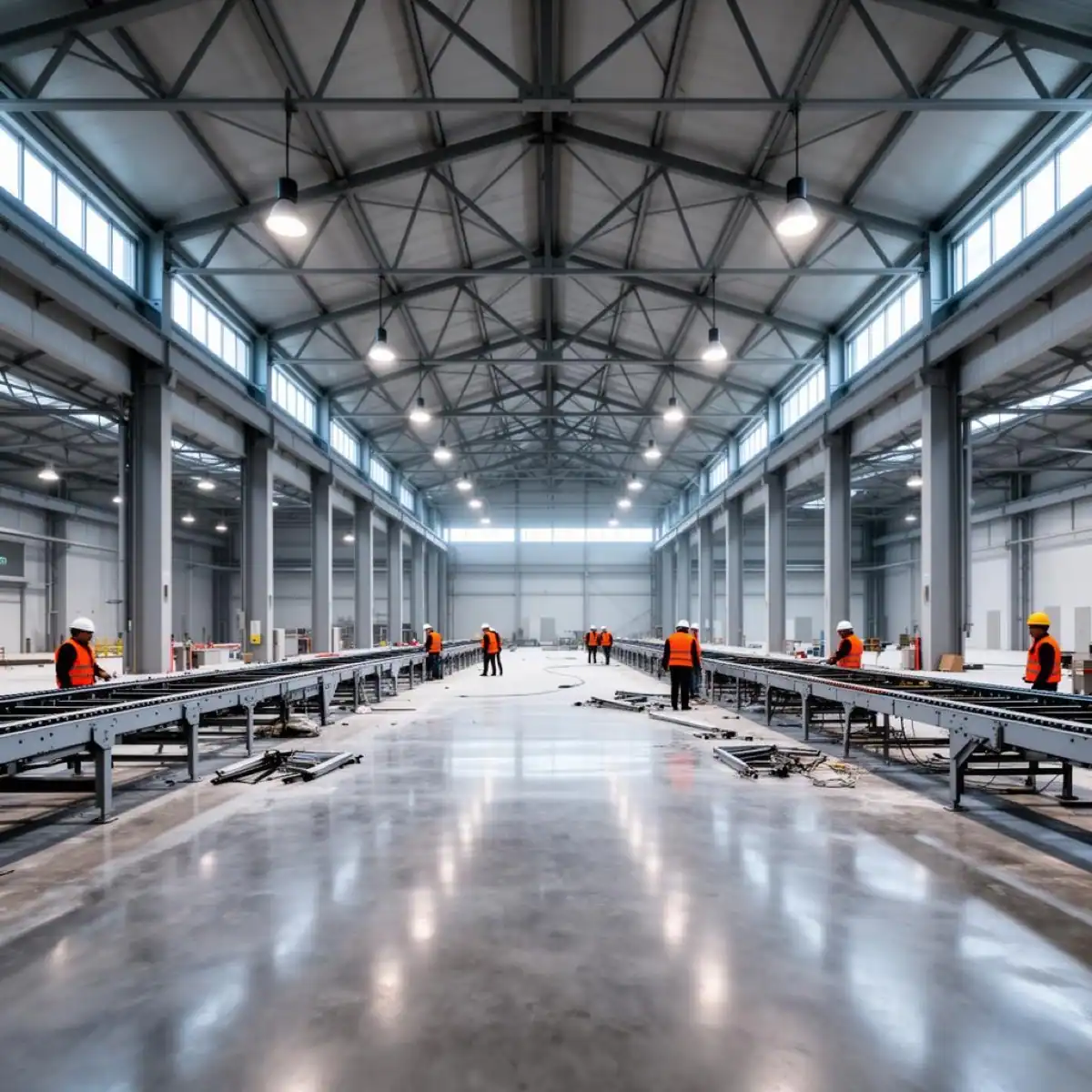
Metal finishing, plating and surface treatment operations turn up in manufacturing facilities throughout the Southeast, and they are among the more demanding decommissioning projects we take on.
The demolition itself is straightforward. Everything that has to happen first is not.
What is in the system
A plating or finishing line typically includes process tanks holding acids, alkalis, cyanides, chromates or solvents; rinse tanks; transfer piping; ventilation and scrubber systems; a waste treatment system with its own tanks, filter presses and sludge handling; sumps, trenches and secondary containment; and rectifiers and electrical infrastructure.
Every one of those has contents, and the contents determine the entire scope.
Characterisation comes first
Before anything is emptied, the material in the system has to be characterised — what it is, what regulatory classification it carries, and how it must be disposed of. That determines cost more than anything else in the project.
Sludges from waste treatment are frequently the largest single expense, particularly where they carry regulated metals. Owners are routinely surprised by this, and it is a number that cannot be estimated without analysis.
Then emptying and cleaning
Tanks are pumped out, residues removed, and the vessels cleaned to a standard appropriate to what they held. Piping is drained and flushed. Sumps and trenches are cleaned. All of it is documented with manifests.
For anything that held flammables or produced flammable atmospheres, vessels must be verified gas-free before hot work. This is the step that gets people killed when it is skipped, and there is no version of the project where it is optional.
Confined space entry rules apply throughout — permits, atmospheric monitoring, attendants, ventilation and a rescue plan that does not depend on calling for help.
What is under the tanks
This is where these projects most often change shape. Decades of operation over concrete produces staining, cracking and, frequently, contamination in the slab and the soil beneath it.
Secondary containment helps but is rarely perfect, and trenches and sumps are common failure points. Where assessment finds impacted soil, the project moves from demolition into environmental remediation, which is a different track with a different timeline.
The practical advice is to sample before the project is priced, not after the tanks are gone. Finding it during due diligence is information; finding it mid-project is a stop-work.
Equipment recovery
There is genuine value in a finishing line, and it is worth identifying before anything is cut:
- Rectifiers, which are substantial DC power supplies with a real market.
- Electrical distribution, transformers, switchgear and motor control centers.
- Ventilation fans, scrubbers and ducting.
- Chillers and process cooling.
- Hoists, transfer systems and material handling.
- Filter presses and pumps.
- Tanks themselves, where they are in good condition and made of a valuable material — though most process tanks are not resellable given their history.
We appraise all of it before quoting the demolition, and on lines with substantial rectification and electrical infrastructure the credit is meaningful.
The order, plainly
Characterise, empty, clean, verify, document, isolate, remove equipment, then demolish structure and remove slabs and containment. Anything that inverts that order creates hazards, regulatory exposure, or both.
What an owner should assemble
Chemical inventory, process descriptions, waste manifests and treatment records, tank and piping drawings, environmental permits and any prior assessment or incident reports. That package is what allows a contractor to price the work accurately rather than defensively.
A facility that can produce it gets tighter bids. A facility that cannot gets bids padded for the unknown, which is a rational response and an expensive one.
Decommissioning a facility?
Full plant cleanup — equipment recovery, hazmat-aware, turnkey scopes.
Get a Plant Cleanup QuoteMore in Plant Cleanup
Utility Isolation and Lockout During a Plant Decommissioning
Every energy source in a facility has to be identified, isolated and verified before removal work starts. This is the plan that prevents the serious incidents.
What to Do With Process Piping
Miles of pipe in an industrial facility is either a disposal cost or a recovery, depending on what ran through it and how it comes out.
How Long Does a Plant Closure Actually Take?
From decision to cleared site, a full facility decommissioning runs on a longer timeline than owners expect, and the front end is where it is decided.