
Selling Equipment During a Plant Closure
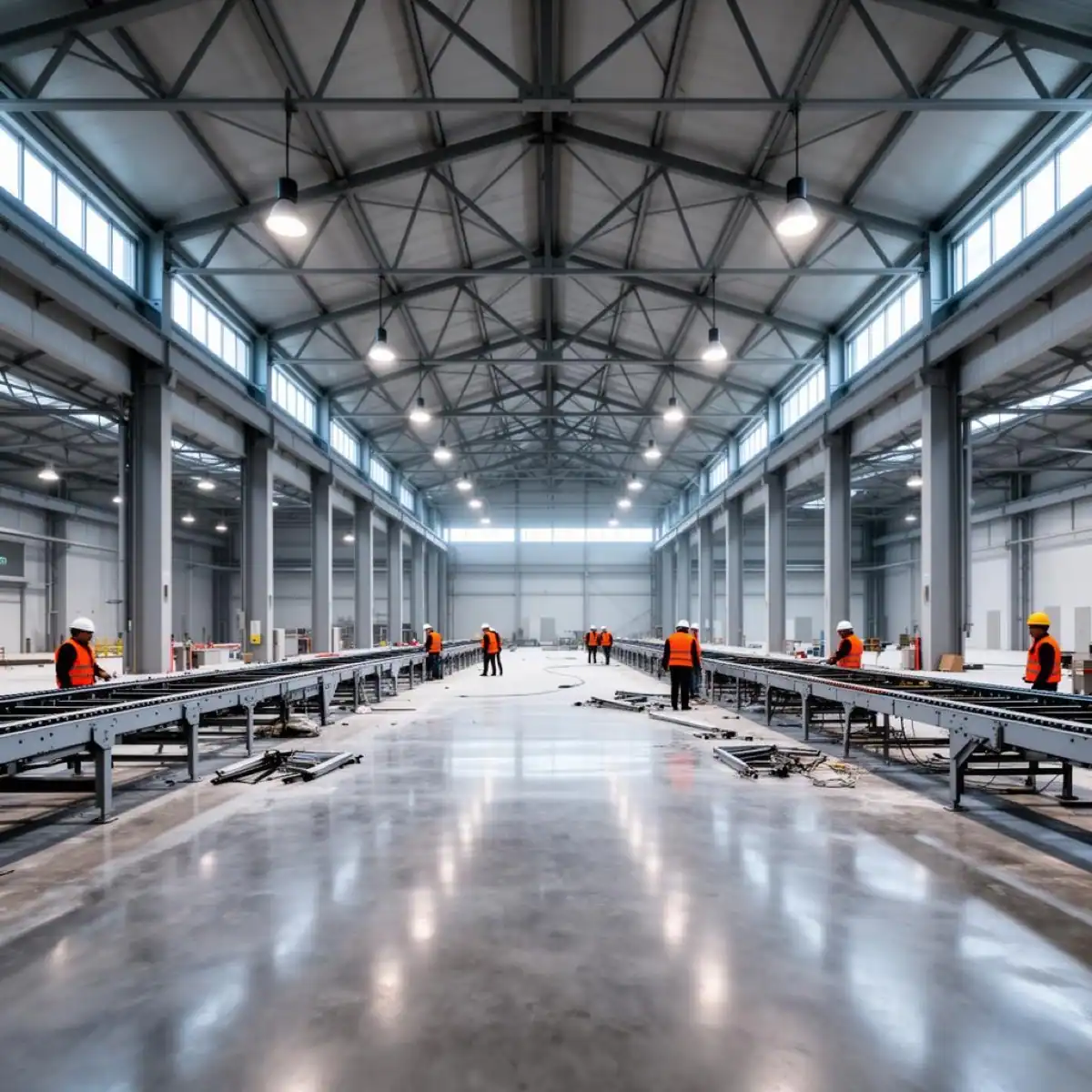
When a plant closes, the equipment inside it stops being a production tool and becomes a cash recovery opportunity — but only if you treat it that way. The facilities that recover the most run the equipment sale as a deliberate workstream that starts weeks before the demolition crew arrives. The facilities that recover the least treat the equipment as an obstacle to be cleared, and they scrap or give away assets that had real buyers. The difference between those two outcomes is usually the largest single line item in the whole closure budget.
We run the asset recovery side of plant closures through our plant cleanup service. Here is how to do the selling right.
Start the inventory before you announce a demo date
The single most expensive mistake in a plant closure is waiting until the equipment is in the way to think about selling it. By then the schedule is driving the bus, and equipment gets scrapped because there is no time to market it.
Do the inventory early. Walk the floor and assign every major asset a disposition: sell, redeploy, scrap, or dispose. Photograph nameplates and capture serial numbers on anything that might sell. Categorize by resale potential:
- Strong resale — chillers, boilers, generators, large switchgear, MCCs, and transformers. These have direct end-buyers waiting. We buy most of these categories directly through the sell hub.
- Component and scrap value — older electrical gear, standard pumps and motors, air handlers without premium controls, and piping.
- Disposal cost — refractory, insulation with hazmat, contaminated equipment, and tank residuals.
The inventory is not busywork. It is the document that tells you how much of your demolition cost the equipment can offset before you sign a demo contract.
Get buyer quotes before removal, not after
A good equipment buyer can give you a firm offer inside 48 hours from photos and nameplates alone. That speed is a tool: it lets you compare recovery value against the cost of removal before you commit to anything. If the offer on a chiller exceeds the rigging cost by a healthy margin, you sell it whole. If a corroded galvanized tower only brings scrap-plus-parts money, you know that too and you plan accordingly.
Getting quotes early also means the buyer can schedule rigging around your closure timeline instead of scrambling at the end. Late quotes force rushed removals, and rushed removals damage equipment and shrink offers.
Sequence high-value equipment first
Once selling starts, sequence matters. Pull the highest-value equipment first, while crews are fresh and the site is clean. Lower-value equipment and scrap can come out during the building strip-out. The common mistake is saving the chillers and transformers for "last" so they do not get in the way — but that just leaves them sitting offline longer, and equipment that sits deteriorates and loses value. First out, best price.
Electrical isolation drives the whole sequence. Coordinate the utility service disconnect, lock out internal distribution, and verify everything de-energized before any removal touches electrical gear. Then the typical order runs mechanical first (chillers, boilers, cooling towers, pumps), then electrical (switchgear, MCCs, transformers), then piping and process, then the structural strip-out.
Bundle the sale with the demolition
The equipment sale and the demolition are not separate projects — they are two halves of one economic outcome. When the same contractor handles both, the recovered equipment value is applied directly against the demolition cost, and you see a single net number instead of a big demo bill and a separate, smaller equipment check. That is the whole point of running recovery and demolition together, and it is why our industrial demolition scopes include an asset recovery consultation up front.
Facilities that systematically inventory, market, and sell their equipment recover 30 to 60 percent of their gross demolition cost through asset sales. Facilities that treat everything as scrap recover 5 to 15 percent. That spread is the return on running the sale deliberately. For the deeper mechanics of that math, see how equipment recovery offsets demolition cost.
The mistakes that cost the most
- Scrapping resale equipment to save time. A chiller worth mid-five-figures scrapped for a few thousand in metal is the most expensive shortcut in any closure.
- Selling blind. No nameplate photos, no serial numbers, no service history — every one of those gaps trims the offer because the buyer is guessing.
- Letting equipment sit offline for months. Idle equipment deteriorates. Seals dry, corrosion sets in, and offers fall.
- Using a broker who never owns the equipment. A broker takes a margin between you and the real buyer. A direct end-buyer pays you the resale value straight.
Get the recovery number
Based in Auburndale and working statewide across Florida, we inventory the equipment, quote it fast, and fold the recovery value into the demolition scope so you see one net cost. Call (689) 323-4676 or start through the plant cleanup page, and we will walk the floor with you.
A plant closure is a cash recovery exercise wearing a demolition project's clothing. Run the equipment sale early and deliberately, and the assets inside the building will pay for a large share of tearing it down.
Decommissioning a facility?
Full plant cleanup — equipment recovery, hazmat-aware, turnkey scopes.
Get a Plant Cleanup QuoteMore in Plant Cleanup
Utility Isolation and Lockout During a Plant Decommissioning
Every energy source in a facility has to be identified, isolated and verified before removal work starts. This is the plan that prevents the serious incidents.
What to Do With Process Piping
Miles of pipe in an industrial facility is either a disposal cost or a recovery, depending on what ran through it and how it comes out.
Closing Out a Plating Line or Process Tank System
Process tanks, plating lines and waste treatment systems have to be emptied, cleaned and documented before anything structural happens. The order is not negotiable.