
Cold Storage Decommissioning: A Practical Guide
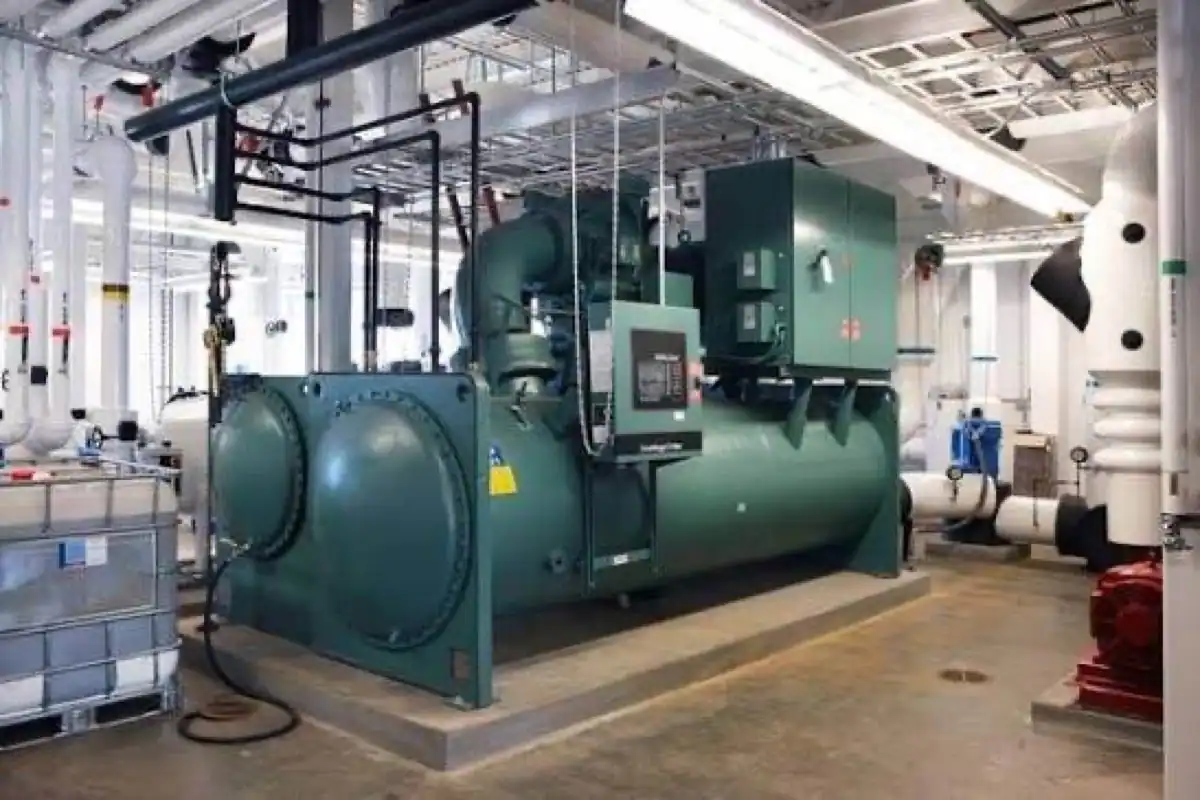
Florida has a lot of refrigerated square footage — produce and citrus, seafood, food distribution, ice cream and dairy, pharmaceutical storage. When one of those facilities closes, consolidates, or converts to dry warehouse, the shutdown is more involved than a dry-goods cleanout and considerably more valuable if handled properly.
Two things define the job: the refrigerant is regulated, and the refrigeration equipment is worth real money.
Step one: identify the refrigerant, because it changes everything
Ammonia (R-717) systems. Common in large industrial cold storage. Ammonia is efficient and cheap, and it is also toxic and, in the right concentration, flammable. Decommissioning an ammonia system is specialized work: the charge has to be recovered or vented under a controlled procedure by qualified personnel, the system purged and neutralized, and the process documented. A facility with an ammonia charge over the threshold quantity has been operating under a Process Safety Management program, and the closure has to respect that paperwork.
Nobody should be cutting into an ammonia system who does not do this for a living. That is not a liability disclaimer, it is a practical warning — ammonia releases hurt people.
Halocarbon systems — R-22, R-404A, R-134a, R-448A and relatives. Federal rules require recovery by certified technicians using certified equipment before any appliance is disposed of. Venting is illegal. Recovered refrigerant has value, and R-22 in particular still commands a price worth capturing rather than surrendering to a scrapper.
Whichever system you have, the refrigerant comes out first, documented, before any mechanical work begins.
Step two: inventory what is worth selling
This is where a cold storage decommissioning pays for itself. The refrigeration plant in a cold storage facility is expensive equipment and there is an active resale market:
- Compressors and compressor packages — screw and reciprocating, especially recent industrial units
- Condensers — evaporative and air-cooled
- Evaporators and air units in the rooms
- Chillers in glycol and process systems
- Cooling towers on water-cooled plants
- Control panels, VFDs, switchgear, and transformers — refrigeration plants carry heavy electrical services
- Pumps, motors, and vessels
- Dock equipment, doors, and racking
Sold as working equipment, this gear is worth many times its scrap weight. Sold to a scrapper by the pound, most of that value evaporates. The distinction is covered in scrap vs. resale value on industrial equipment.
Step three: the insulated panels
This is the line item people forget. Cold storage boxes are built from insulated metal panels — typically polyurethane or polystyrene cores between steel skins. They are bulky, light, and not straightforward to dispose of: the volume is enormous relative to weight, so you pay by the container rather than by the ton, and mixed foam-and-metal panels are not welcome everywhere.
Some panels can be separated so the steel skin is recycled. Some freezer boxes are sold and re-erected elsewhere, which is by far the best outcome when a buyer exists. Older panels may need checking for materials that are no longer used. Whatever the path, price panel disposal explicitly — do not let it hide inside a general debris allowance.
Step four: the floor and the structure
Freezer floors frequently have under-slab heating loops or ventilation to prevent frost heave, plus thick insulation layers under the slab. If the slab is coming out, that sandwich is more complicated and more expensive than a plain industrial floor. If the building is being converted to dry storage, the floor and panels may stay while everything else goes.
Step five: sequence and safety
A sane order of operations:
- Recover and document refrigerant; purge and secure the system
- De-energize and lock out electrical, with the utility involved on the service
- Remove and preserve high-value refrigeration and electrical equipment
- Strip panels, doors, and racking
- Handle remaining regulated waste — oils, glycol, batteries, lamps
- Clean, and either turn the building over or proceed to demolition
Sequencing matters for value, not just safety. Equipment pulled carefully before the general strip-out sells; equipment damaged during a rushed teardown does not.
What it costs — and what offsets it
The cost drivers are refrigerant recovery, panel disposal volume, rigging for large equipment, and any structural work. The offsets are the refrigeration equipment, electrical gear, copper, steel, and any freezer boxes or racking that sell whole. On a well-maintained industrial refrigeration plant the offset can be substantial enough to change the shape of the project entirely.
We decommission cold storage and refrigerated facilities across Florida — refrigerant handled properly, equipment appraised and purchased, structure cleared. Call (689) 323-4676 or request a quote. Related: plant decommissioning checklist and how to decommission a chiller.
Decommissioning a facility?
Full plant cleanup — equipment recovery, hazmat-aware, turnkey scopes.
Get a Plant Cleanup QuoteMore in Plant Cleanup
Utility Isolation and Lockout During a Plant Decommissioning
Every energy source in a facility has to be identified, isolated and verified before removal work starts. This is the plan that prevents the serious incidents.
What to Do With Process Piping
Miles of pipe in an industrial facility is either a disposal cost or a recovery, depending on what ran through it and how it comes out.
Closing Out a Plating Line or Process Tank System
Process tanks, plating lines and waste treatment systems have to be emptied, cleaned and documented before anything structural happens. The order is not negotiable.