
Refrigerant Recovery Before Demolition: EPA Section 608 in Practice
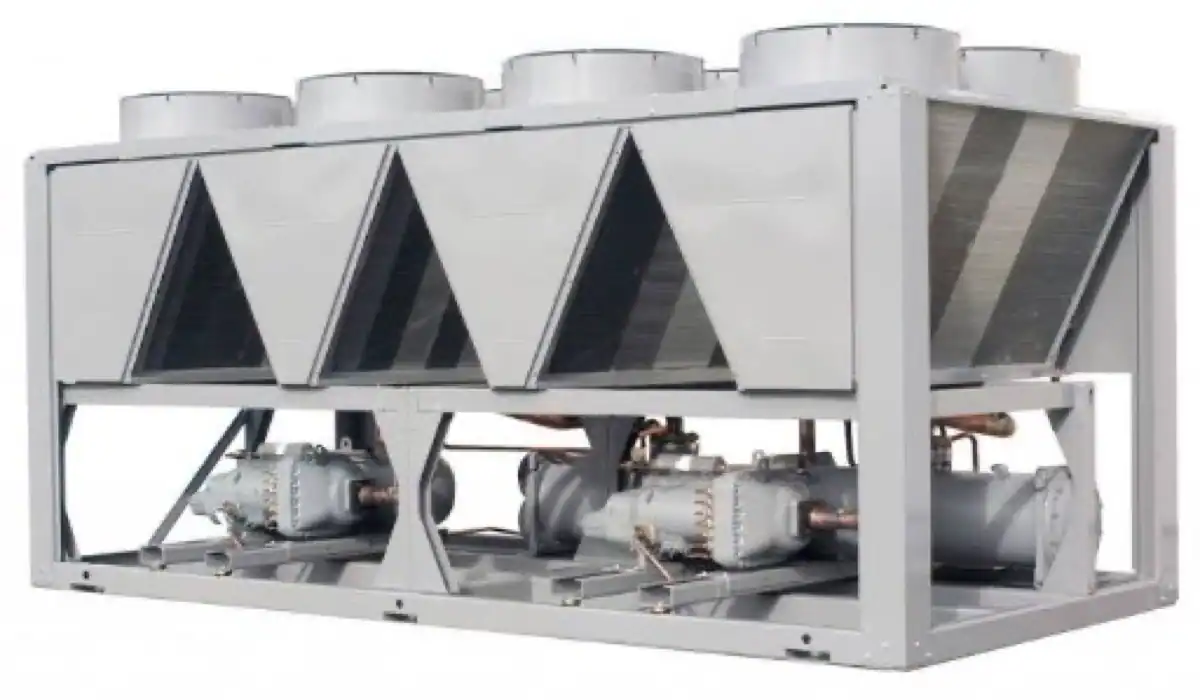
Every chiller, rooftop unit, walk-in cooler, and process refrigeration system in a building you are about to demolish contains refrigerant, and federal law is unambiguous about what happens to it: it gets recovered by a certified technician into certified equipment before the appliance is disposed of. Knowingly venting is a violation with real penalties attached.
This is one of the easiest compliance items to satisfy and one of the most commonly botched, usually because it was nobody's assigned job.
What Section 608 actually requires
The EPA's Section 608 program governs the handling of refrigerants in stationary equipment. In practice, for a demolition or decommissioning project, it means:
- Recovery before disposal. Refrigerant must be removed to the required evacuation level before an appliance is dismantled or scrapped.
- Certified technicians. The person doing the recovery holds the appropriate EPA certification for the equipment type.
- Certified recovery equipment, maintained and used properly.
- No knowing venting of ozone-depleting refrigerants or their substitutes.
- Documentation. For equipment being disposed of, the final person in the chain needs to be able to show recovery was performed — and scrap yards and recyclers increasingly require that statement before they will accept a unit.
Larger appliances carry additional obligations while in service — leak repair thresholds, leak rate calculations, and record retention — and those records matter at closure because they show the system's charge history.
Who owns the obligation
Ultimately, the equipment owner. You can contract the work out, and you should, but if a unit gets crushed with a charge in it, the owner is exposed. That is why the recovery step belongs in the demolition contract explicitly, with the deliverable being documentation, not just a verbal "we handled it."
Ask for, and keep: which units were recovered, the refrigerant type and recovered quantity per unit, the technician's certification, and the disposition of the recovered material.
Do not skip the small stuff
The big chiller gets attention. The items that get missed:
- Walk-in coolers and freezers, including old ones in back rooms
- Ice machines and beverage equipment
- Rooftop package units and split systems, including abandoned ones
- Process chillers on production equipment
- Dehumidifiers and vending equipment
- Drinking fountains with integral coolers
- Refrigerated trailers and containers parked on site
An inventory walk before demolition catches these. A crew with a machine does not.
What the refrigerant is worth
Recovered refrigerant is not a waste stream — it is a commodity. Reclaimers buy recovered refrigerant, and prices vary sharply by type. R-22 in particular has held real value since production ended, and a large charge in an older chiller can be worth a meaningful amount on its own. Newer HFCs have their own market as phasedown rules tighten supply.
That value is only realized if the recovery is done cleanly into proper cylinders and not cross-contaminated by mixing types. Sloppy recovery turns a saleable commodity into a disposal cost — the reclaim fee on mixed refrigerant is real. One more reason to have this done by people who do it deliberately.
Ammonia is a different world
Industrial refrigeration running on ammonia (R-717) is not covered by the same halocarbon rules, but do not read that as "less regulated." Ammonia systems carry process safety and risk management obligations, and the charge must be removed under a controlled procedure by people trained for it. Never treat an ammonia system as an ordinary refrigeration decommissioning. See our cold storage decommissioning guide.
Where this fits in the schedule
Refrigerant recovery happens early — before mechanical removal, and well before any structural demolition. It is also a prerequisite for selling the equipment: a chiller that will be resold as a working unit is handled differently from one going to scrap, because you want the machine preserved, the charge documented, and the unit properly isolated and sealed rather than opened to atmosphere.
If the unit has resale value — and many do — that changes the whole calculus. A working chiller is worth far more than the copper in it. That decision is covered in how to decommission a chiller and scrap vs. resale value.
Put it in the contract
The clean way to handle this: your demolition or decommissioning contract lists refrigerant recovery as a scope item with documented deliverables, names who performs it, and states what happens to the recovered material and its value.
We handle refrigerant recovery, equipment appraisal, and purchase as part of plant cleanup and demolition scopes across Florida — with the paperwork you will want in your file.
Call (689) 323-4676 or request a quote.
Decommissioning a facility?
Full plant cleanup — equipment recovery, hazmat-aware, turnkey scopes.
Get a Plant Cleanup QuoteMore in Plant Cleanup
Utility Isolation and Lockout During a Plant Decommissioning
Every energy source in a facility has to be identified, isolated and verified before removal work starts. This is the plan that prevents the serious incidents.
What to Do With Process Piping
Miles of pipe in an industrial facility is either a disposal cost or a recovery, depending on what ran through it and how it comes out.
Closing Out a Plating Line or Process Tank System
Process tanks, plating lines and waste treatment systems have to be emptied, cleaned and documented before anything structural happens. The order is not negotiable.