
Warehouse Cleanout: Cost, Process, and How to Not Overpay
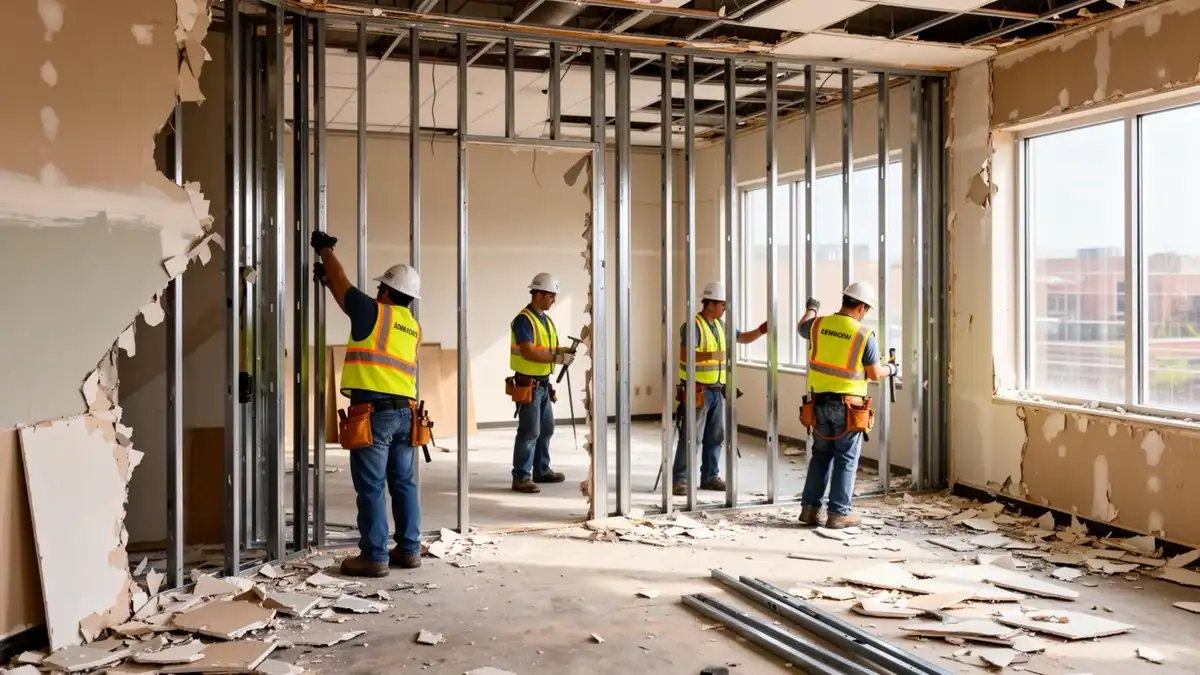
Warehouse cleanouts happen for predictable reasons: a lease is ending, an operation consolidated, a tenant walked, a property is going on the market, or a facility is being prepped for demolition. The building stays. Everything else goes.
The price of that work comes down to three things — how much volume there is, how much of it has to be sorted rather than shoveled, and how much of it is worth money.
What actually drives the price
Volume, measured in truckloads. This is the fundamental unit. Not square footage — a 100,000 sq ft warehouse that is nearly empty is a small job, and a 20,000 sq ft building packed floor-to-ceiling with pallets, obsolete inventory, and dead equipment is a big one. Estimate in loads.
Sorting requirements. Throwing everything in one container is the cheapest labor and the most expensive disposal. Sorting metal, cardboard, wood, and e-waste out of the mixed stream costs labor hours but drops the tip fee and creates scrap revenue. On metal-heavy cleanouts, sorting wins easily.
Racking. Pallet racking is its own scope. It has to be unloaded, unbolted or cut, and either sold as used racking — which has a real market — or scrapped. Teardown of a large rack system is a meaningful labor line, but used racking in good condition sells well enough to offset a chunk of it.
Disposal type and distance. Clean cardboard and metal have low or negative cost. Mixed C&D debris is a per-ton tip fee. Anything regulated — old chemicals, paint, batteries, fluorescent tubes and ballasts, e-waste — is priced per item or drum with manifested disposal, and those items are where the surprises live.
Access and dock capacity. A building with four working dock doors and space to stage containers loads fast. One roll-up door on a tight lot means everything moves through a bottleneck, and labor hours climb.
What is usually worth money
This is where a cleanout differs from a junk-removal job, and where a good contractor changes your net number:
- Pallet racking, mezzanines, and shelving — real used market
- Forklifts, pallet jacks, and dock equipment — levelers, restraints, seals
- Air compressors and compressed air piping
- Electrical gear — switchgear, panels, transformers, and the copper in the feeders
- HVAC and refrigeration — rooftop units, chillers, condensers, freezer and cooler panels
- Baler and compactor equipment
- Scrap metal in every form, including the racking itself if it does not sell whole
We buy this equipment rather than brokering it, so the appraisal comes back as an actual offer that reduces your invoice. See used equipment for sale for what moves through our yard.
Sequence that works
- Walk and inventory. Identify what has value, what is regulated, and what is pure disposal.
- Pull the valuable equipment first — before it gets damaged in the general clear-out.
- Empty and tear down racking, sorting steel as it comes.
- Clear the general debris in sorted streams.
- Handle regulated items with proper manifests.
- Sweep and finish to whatever standard the lease or the sale requires.
That last item is worth pinning down early. "Broom clean" in a lease has a specific meaning, and a landlord's version and a tenant's version are rarely identical. Get it in writing before the crew starts, not during the walk-through with the landlord at the end.
Cleanout as the front half of a demolition
If the building is coming down anyway, the cleanout and the demolition should be scoped together. Doing so eliminates a duplicate mobilization, lets valuable equipment come out before anything gets crushed, and puts one contractor on the hook for the whole site condition.
If the building is staying and being re-tenanted, the cleanout often flows into interior demolition — stripping the old build-out back to shell for the next occupant.
Getting a real quote
The information that produces an accurate number: approximate square footage and how full it is, whether racking is included and how many bays, what mechanical and electrical equipment is installed, whether there are regulated materials, how many dock doors, and what standard the space has to be left in.
We handle warehouse cleanouts, equipment recovery, and debris removal across Florida with one crew and one invoice — net of what we buy from you.
Call (689) 323-4676 or request a quote.
Decommissioning a facility?
Full plant cleanup — equipment recovery, hazmat-aware, turnkey scopes.
Get a Plant Cleanup QuoteMore in Plant Cleanup
Utility Isolation and Lockout During a Plant Decommissioning
Every energy source in a facility has to be identified, isolated and verified before removal work starts. This is the plan that prevents the serious incidents.
What to Do With Process Piping
Miles of pipe in an industrial facility is either a disposal cost or a recovery, depending on what ran through it and how it comes out.
Closing Out a Plating Line or Process Tank System
Process tanks, plating lines and waste treatment systems have to be emptied, cleaned and documented before anything structural happens. The order is not negotiable.