
Selling Equipment Before a Commercial Lease Ends
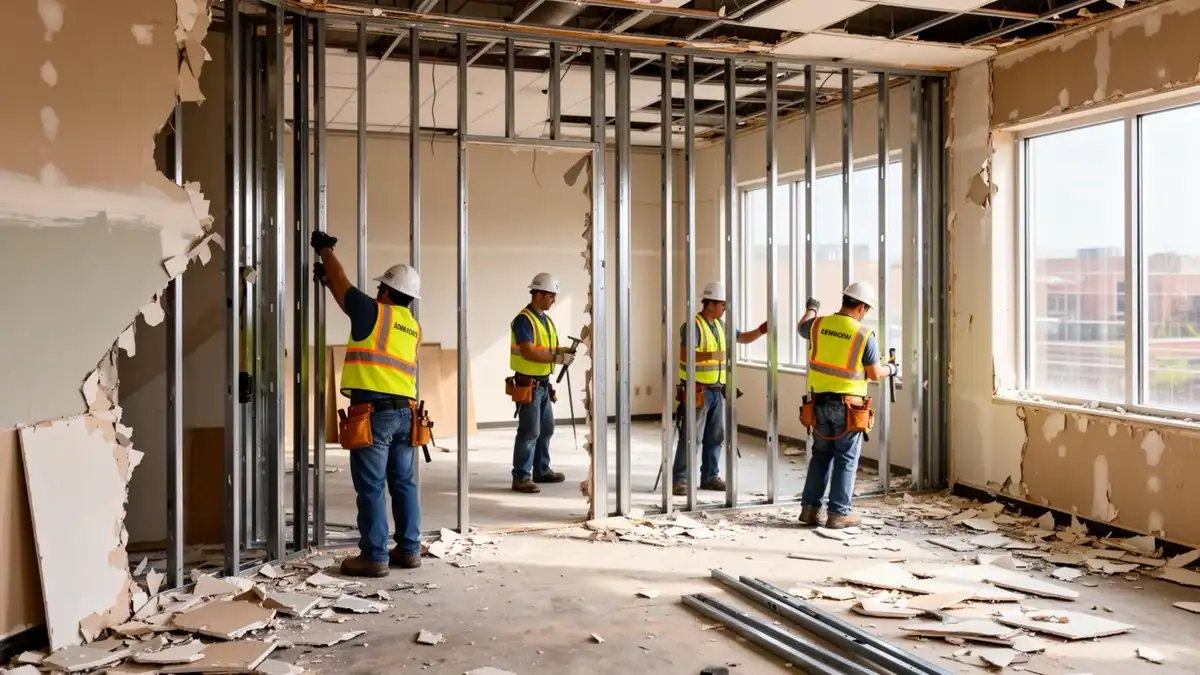
When an industrial or commercial tenant does not renew, the last months of the lease become a project: get the equipment out, put the space back the way the lease requires, and hand over the keys on time. The equipment is often the most valuable thing in the building and the most time-consuming to deal with, and tenants who leave it to the last weeks lose money on both ends. Here is how to sequence it.
Know what is yours
The first question is ownership, and it is not always obvious. Trade fixtures and equipment the tenant installed and paid for are generally the tenant's to remove and sell. Building systems such as the base-building HVAC, electrical service, and anything the landlord installed or paid for through a tenant improvement allowance may belong to the landlord. Read the lease. The fixtures and alterations clauses will say what the tenant may remove, what the tenant must remove, and what stays.
Where the lease is unclear, agree it with the landlord in writing before selling anything. Selling equipment the landlord considers theirs is an expensive argument.
Read the restoration clause
Most leases require the tenant to remove its alterations and repair the damage, and some require restoring the space to its original condition. That obligation shapes the equipment removal. A compressor on a pad with a dedicated electrical feed means the pad may need to come out and the electrical be removed back to the panel. Process piping and duct runs may need to be removed and the penetrations patched. A mezzanine may need to come down.
The removal and the restoration are the same job, and it is usually cheaper to have one contractor do both than to have an equipment buyer pull the machines and a separate contractor come behind to repair. We handle equipment recovery and the interior demolition restoration together on lease exits for that reason.
Time the sale early
Equipment sells best while it is installed and running. A buyer who can see a chiller or a compressor operate pays for the certainty. Equipment that has been disconnected and pushed to a corner is worth less, and equipment that is still on the floor two weeks before the lease ends is sold under pressure to whoever can move fastest.
Start the sale process at least a few months out. Appraisal, offers, scheduling the removal around your own move-out, and coordinating with the landlord all take time. The relocation version of this is in factory relocation: equipment teardown, moving, and what gets left behind.
What the landlord needs to see
Landlords will want to inspect the space after the equipment is out and before the keys are returned. That inspection will focus on the restoration clause: patched penetrations, capped utilities, removed pads, and a clean floor. It is worth walking the space with the landlord before the removal starts to agree what "restored" means, so there is no dispute at the end. Photographs of the space before and after protect both sides.
Avoid holdover
A tenant who is still removing equipment after the lease ends is in holdover, and holdover rent is typically well above the lease rate. The equipment removal and restoration schedule should end with margin before the lease expiration, not on it. If the schedule slips, tell the landlord early; a short agreed extension is far cheaper than an unplanned holdover.
What to sell and what to leave
Anything with resale value should be sold: HVAC equipment, compressors, generators, switchgear, process machinery, racking, and dock equipment. Anything without resale value that the lease requires you to remove is demolition and debris. Anything the landlord wants left in place can sometimes be negotiated as a credit against restoration. Ask; landlords frequently prefer to keep a serviceable rooftop unit or a generator rather than have it removed.
Frequently Asked Questions
Can I sell the HVAC units on the roof?
Only if the lease says they are yours. Base-building HVAC usually belongs to the landlord. Supplemental units you installed may be yours. Check the lease.
Who repairs the damage from removal?
The tenant, under most restoration clauses. It is most efficient to have the equipment buyer's contractor do the repairs as part of the removal.
How early should I start?
Several months before the lease ends. Equipment sells for more while it is running, and the removal and restoration have to be scheduled around your own move.
Do you handle both the equipment and the restoration?
Yes. We buy used equipment and perform the removal and interior restoration on lease exits across Florida and the Southeast.
Demo Dynasty is based in Auburndale, FL. Call (689) 323-4676 or get a cash offer on the equipment before the lease clock runs out.
Got equipment to sell?
Cash offers in 24–48 hours. Nationwide pickup. Any condition.
Get a Cash OfferMore in Selling Equipment
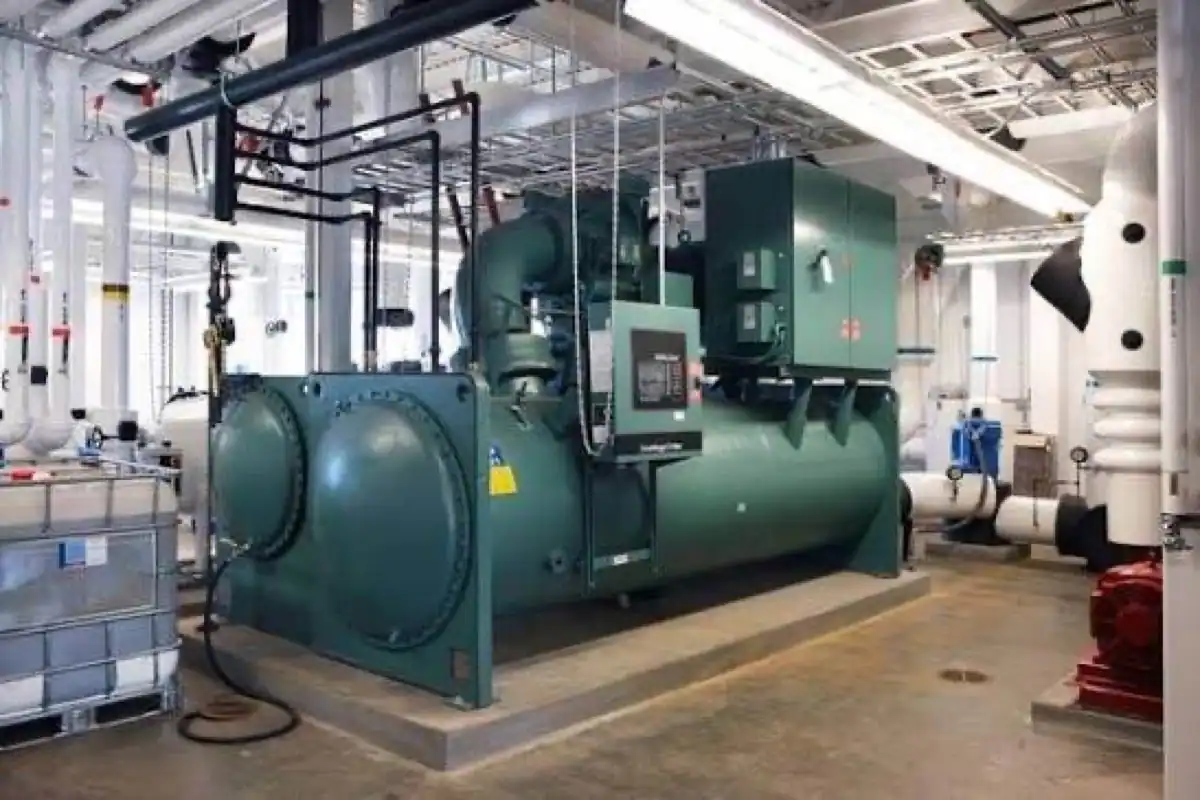
Selling a Chiller Plant: Whole or Piece by Piece?
A complete central plant sometimes sells better as a system than as components. Here is how to tell which case you are in.
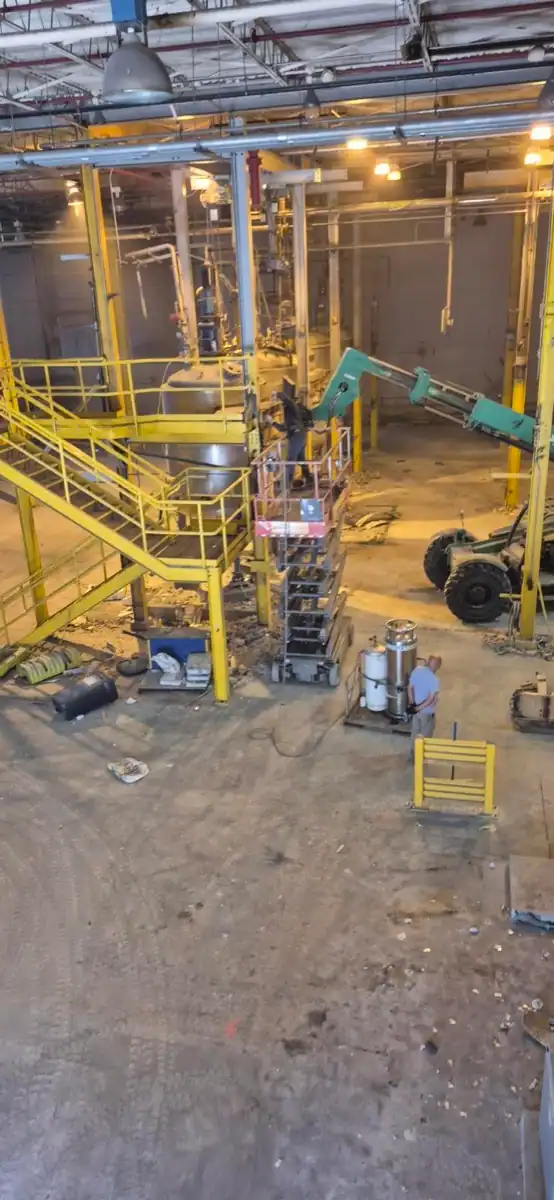
Why Removal Access Changes What Your Equipment Is Worth
A buyer prices the equipment and the extraction together. What you can do about access, and what it is worth.
What Actually Determines Used Equipment Resale Value
Age matters less than most sellers assume. Condition, documentation, removal difficulty and market depth matter more.