
Buying Used Transformers: A Practical Guide
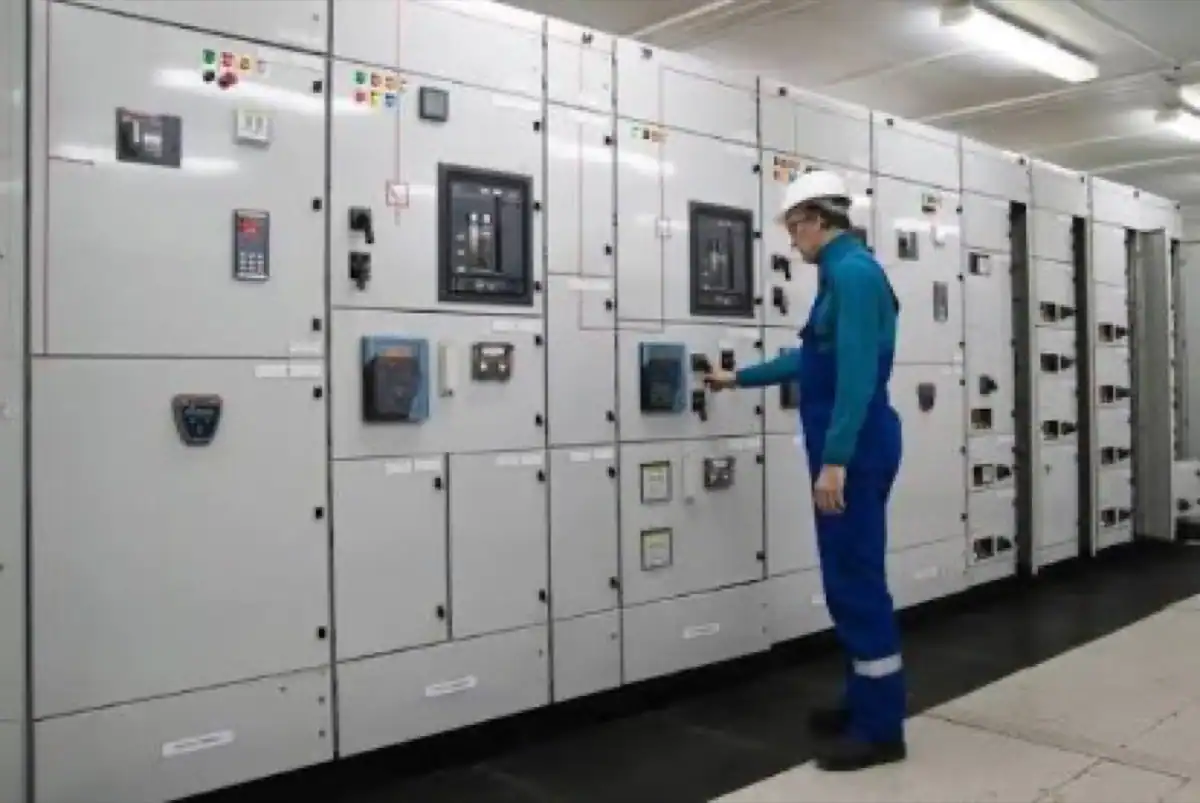
A used transformer is one of the smartest buys on the secondary industrial market. New lead times on medium-voltage units run 40 to 70 weeks right now, and a comparable used unit pulled from a decommissioned plant costs a fraction of new and ships in days, not quarters. We pull dozens of transformers a year out of facilities we clear, and the good ones move fast because buyers who understand them know what they're getting.
This guide covers what to look for, what the nameplate tells you, and how to avoid the two or three mistakes that turn a great deal into an expensive paperweight.
Dry-type vs oil-filled — know what you're buying
The first fork is construction type, because it changes everything downstream.
Dry-type transformers (Square D, Eaton, GE, Siemens) are air-cooled, common in the 15 kVA to 2,500 kVA range, and typical indoors. No oil means no leak risk, no containment requirements, and simpler transport. They're the easy buy for a warehouse, shop, or light-industrial load.
Oil-filled (liquid-filled) transformers handle bigger loads and outdoor pad-mount or substation duty, usually 500 kVA up past 10 MVA. They cool better and last longer, but the oil is the catch: you need to confirm it's clean, and on anything built before 1980 you need to confirm it is not PCB-contaminated. More on that below.
For most buyers replacing or adding a load under a few thousand kVA, a clean dry-type unit is the lower-hassle path. For utility-scale or heavy process loads, oil-filled is what you'll find.
Reading the nameplate
The nameplate is the whole story. Before you talk price, get a photo clear enough to read every line:
- kVA / MVA rating — the capacity. Match it to your actual load with headroom, not to the old plant's load.
- Primary and secondary voltage — for example 12,470V to 480Y/277V. This has to match your service. A transformer with the wrong voltage ratio is scrap to you, no matter how clean.
- Impedance (%Z) — drives fault current and paralleling. Usually 5 to 6 percent on distribution units.
- Cooling class — ONAN, ONAF, or AA/FA. Tells you the base and forced-cooled ratings.
- Temperature rise — 150C, 115C, or 80C on dry-types. Lower rise means more thermal margin and a longer life.
- Manufacturer and date — build year matters for both remaining life and PCB risk.
If the voltage ratio and kVA fit your service, you're already most of the way to a yes.
PCBs, oil, and the paperwork that protects you
This is where buyers get burned. Oil-filled units manufactured before 1980 can contain PCBs, and once contaminated oil is involved you're in EPA territory with real disposal cost and liability.
- Ask for the oil test / PCB certification. A responsible seller either has it or will let you pull a sample.
- "Non-PCB" means under 50 ppm. Get it in writing.
- On any pre-1985 oil-filled unit with no documentation, assume the worst and price the risk in — or skip it.
Dry-type units sidestep all of this, which is part of why they resell so cleanly. In Florida, where a lot of these transformers end up outdoors near water, containment and contamination questions get scrutinized hard, so clean paperwork is worth real money at resale.
Testing before you commit
A used transformer should never be energized blind. Before it goes into service, budget for:
- Insulation resistance (megger) — checks winding-to-winding and winding-to-ground integrity.
- Turns ratio (TTR) test — confirms the windings are intact and match the nameplate ratio.
- Winding resistance and, on larger oil units, a dissolved gas analysis (DGA) of the oil to spot internal arcing or overheating history.
A unit that passes megger, TTR, and DGA is a genuinely low-risk buy. We test the ones we resell, and we tell buyers what showed up. If a seller can't produce test results and won't allow testing, that tells you something.
What used transformers actually cost
Pricing on the secondary market tracks capacity, condition, and how current the design is. As rough ranges: a clean 500 to 1,000 kVA dry-type unit often lands in the low-to-mid four figures; larger pad-mount oil-filled units in the 2,500 kVA and up range run well into five figures depending on condition and documentation. The premium is always on tested, documented, clean units with the right voltage ratio for a common service.
Two mistakes cost buyers the most: paying resale money for an untested unit that turns out to have a shorted winding, and buying on kVA alone without checking the voltage ratio fits their service. Confirm both and the used market is one of the best deals in industrial equipment.
Matching a used unit to your load
The most common buyer error, after skipping testing, is sizing wrong. A transformer should be matched to your actual connected load with sensible headroom — typically loading it to somewhere in the 70 to 85 percent range of nameplate at peak leaves margin for growth and keeps it running cool, which extends its life. Oversizing wastes money and adds no-load losses that run 24/7; undersizing cooks the unit and shortens its life. Pull your actual peak demand from utility bills or a metering study rather than guessing off the old plant's nameplate, which may have been sized for a load that no longer exists. Then confirm the two non-negotiables: the voltage ratio matches your service exactly, and the impedance is compatible if you'll parallel it with existing units. Get the load, voltage, and impedance right and a used transformer will run for decades. In Florida specifically, factor the ambient — a transformer rated for a cooler climate has less thermal margin sitting in a hot, humid mechanical room or an outdoor pad in July, so favor lower temperature-rise units where you can.
If you want a unit sourced and tested for your exact voltage and load, tell us what you need and we'll match it out of current inventory or an upcoming decommissioning. You can also reach us directly with your service specs.
Bottom line
Used transformers are a strong buy when you match the nameplate to your service, confirm the oil and PCB status, and insist on megger and TTR results before energizing. Skip those steps and a cheap transformer gets expensive fast. Get them right and you save months of lead time and a large chunk of the new-unit price. For related gear, see our guides on used switchgear value and buying from a closing facility.
Looking for used equipment?
We move chillers, boilers, generators, and cooling towers across Florida and nationwide. Tell us what you need.
Ask About Available UnitsMore in Buying Guides
Buying Used Machine Tools From a Plant Closure
Machine tools from a closing facility can be the best value in industrial equipment, provided you evaluate wear, controls and what it takes to move.
Inspecting a Used Industrial Boiler Before You Buy
Pressure vessel condition, jurisdiction paperwork and burner package all decide whether a used boiler is a bargain or an ornament.
Load Testing a Used Generator Before You Buy
Hours mean little without a load test. What to test, what to look for, and what a generator's history tells you.