
5 Things That Affect Used Switchgear Value
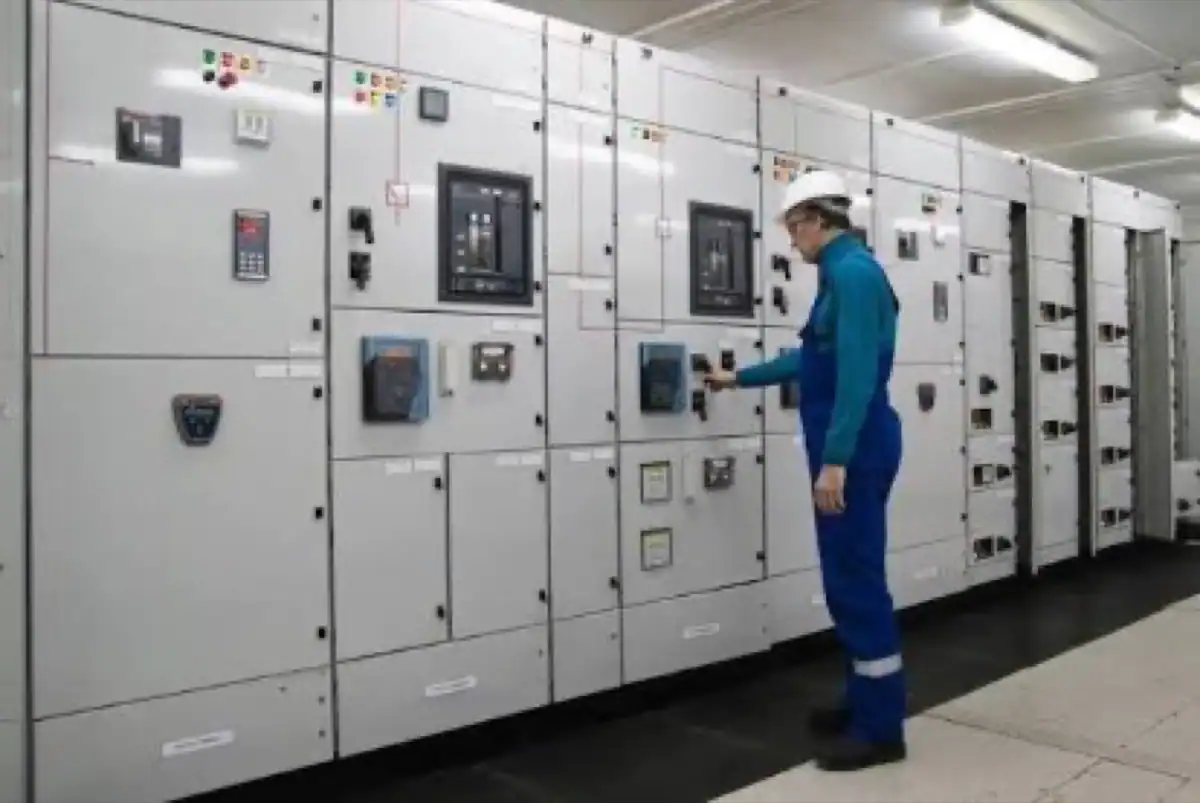
Switchgear, motor control centers, and transformers are some of the most overlooked asset recovery opportunities in a facility cleanout. Most operators assume decommissioned electrical gear is scrap — but a 2000A low-voltage switchboard from a major manufacturer, or a 15kV medium-voltage lineup, or a stack of Square D Model 6 MCC buckets can each be worth real money on the secondary market.
What moves the price up or down comes down to five factors, in roughly descending order of importance. This is how we actually value electrical equipment when we buy it, and it's what any serious buyer is running through their head when they come back with an offer.
1. Voltage class and ampacity
The biggest single variable. Switchgear resale demand clusters at specific voltages:
- 480V low-voltage switchboards and panelboards with 2000A+ mains — strongest demand. This is the workhorse of commercial and industrial electrical service, and replacement gear is expensive, so the secondary market is deep.
- 600V motor control centers — steady demand, especially for active-production manufacturer lineups like Allen-Bradley 2100 and Square D Model 6.
- 5kV and 15kV medium-voltage switchgear — smaller buyer pool but higher per-lineup value. Data centers, utility contractors, and large industrial facilities drive this market.
- 480Y/277V distribution gear — moderate demand.
- 240V and residential-class gear — weakest demand; usually priced close to scrap.
On ampacity: high-ampacity mains (2000A, 3000A, 4000A, 5000A) are worth significantly more than low-ampacity equivalents, because they're harder and more expensive to replace. A 400A panelboard and a 2500A switchboard might look similar on a loading dock — they don't price similarly.
2. Manufacturer
The strong names in the used switchgear market, in rough order:
- Square D (especially Model 6 MCCs, QED switchboards)
- Eaton / Cutler-Hammer (including older Westinghouse frames still in use)
- Siemens
- GE (becoming niche as GE Industrial products get harder to source new)
- ABB
- Allen-Bradley / Rockwell (for MCCs specifically — 2100 series is in heavy demand)
These hold value because they're still current-production or recently-production, and facilities that already run them need replacement parts. Off-brand or obsolete-manufacturer gear sells, but at a meaningful discount — and sometimes is more valuable for the individual buckets and breakers than as a complete lineup.
A specific point: obsolete gear from a top-tier manufacturer often outvalues current-production gear from an off-brand. A 30-year-old Square D Model 6 MCC is often worth more as a parts source than a 5-year-old off-brand replacement, because there are thousands of Model 6 MCCs still in service that need replacement buckets.
3. Condition and completeness
Condition matters for two reasons: it determines whether the unit is resellable as-is, and it determines how much refurbishment cost the next buyer faces.
Things that cut value significantly:
- Missing components. Switchboards stripped of their breakers, metering, or main disconnect. MCCs missing buckets. Transformers with vandalized or stolen windings. "Stripped for copper" is almost always worth less than "complete lineup" even if the copper is at the scrap yard across town.
- Water or fire damage. Non-negotiable. Even a small amount of water in a switchboard requires full internal inspection and often full megger testing before resale. Fire or arc-flash damage typically renders a lineup unsellable.
- Corroded bus. Surface oxidation is fine; pitted or deeply corroded bus work is a scrap-only outcome.
- Cut cables flush with the lug. Better to leave 12–18" of tail when you disconnect — it preserves resale value because the buyer can inspect the lug work.
Things that hold value:
- Original paint, nameplates, and manufacturer labels intact
- Door gaskets present and in reasonable shape
- Internal wiring neat, not hacked
- Any maintenance documentation still on or near the unit
4. Age and production status
Current-production or recent-production gear (the manufacturer is still selling the same line new) holds value best. Gear that's been out of production for 5–15 years is often in peak demand as a parts source. Gear out of production for 20+ years is niche — there's usually a buyer somewhere, but the price is lower.
A nuance: some very old lineups are actually worth more than newer ones. Vintage pre-1970s Westinghouse gear in good condition occasionally finds buyers restoring specific industrial facilities. Pre-1990 oil-filled transformers, assuming no PCB contamination, still find buyers at utility auctions. Don't assume "old" means "scrap" without checking.
Counter-nuance: the oldest oil-filled transformers from the 1960s and earlier are frequently PCB-contaminated. Those are legitimately hazardous waste, not assets, and should be handled accordingly. PCB testing is cheap — $50–$150 for oil sample analysis — and it's worth knowing before you sell.
5. Documentation
The least-appreciated value lever, but it's real.
Documentation that increases your offer:
- As-built drawings and one-line diagrams
- Doble testing reports on transformers or breakers (most recent 2–3 years)
- Maintenance records — especially oil sample results on transformers
- Breaker trip curve settings and recent protective device coordination studies
- Original manufacturer submittals for custom lineups
A buyer purchasing a lineup with 10 years of maintenance records will pay 10–20% more than for the same lineup sold with no documentation, because the future-buyer's refurbishment uncertainty is reduced. It's one of the few "free" value-adds available to a seller — dig through the plant files and find the paper before you sell.
A quick worked example
Here are three real offers we've made on switchgear in the past year, anonymized. Same manufacturer (Square D), same general age band, different conditions and documentation.
- Lineup A: 2000A 480V QED switchboard, 2012-production, complete with metering and main disconnect, facility provided recent breaker trip settings and 5 years of maintenance logs. Offer: $14,500 picked up.
- Lineup B: Similar 2000A 480V QED switchboard, 2010-production, missing main breaker trip unit, no documentation. Offer: $7,200 picked up.
- Lineup C: Same vintage, but facility had disconnected cables flush with lugs and removed the metering package before calling us. Offer: $3,800 picked up.
Same base hardware, three different outcomes. The documentation alone was worth ~$1,500 between A and B. The premature stripping on C was worth almost $4,000.
What to do next
If you're sitting on a decommissioned electrical room, before you call anyone:
- Photograph every nameplate.
- Leave everything complete — don't pull breakers, meters, or buckets thinking you'll get more selling them separately. You won't.
- Dig through the plant files for drawings, test reports, and maintenance logs.
- If there are any oil-filled transformers older than ~35 years, get the oil tested for PCBs.
- Get quotes from at least one direct end-buyer and one scrap yard, and compare.
We buy switchgear, MCCs, and transformers in all of the voltage classes and manufacturers above, and our offers are removal-inclusive — lockout, disconnect, rigging, transport. If you want a second number to compare against a scrap yard quote, that's what we're here for.
Got equipment to sell?
Cash offers in 24–48 hours. Nationwide pickup. Any condition.
Get a Cash OfferMore in Selling Equipment
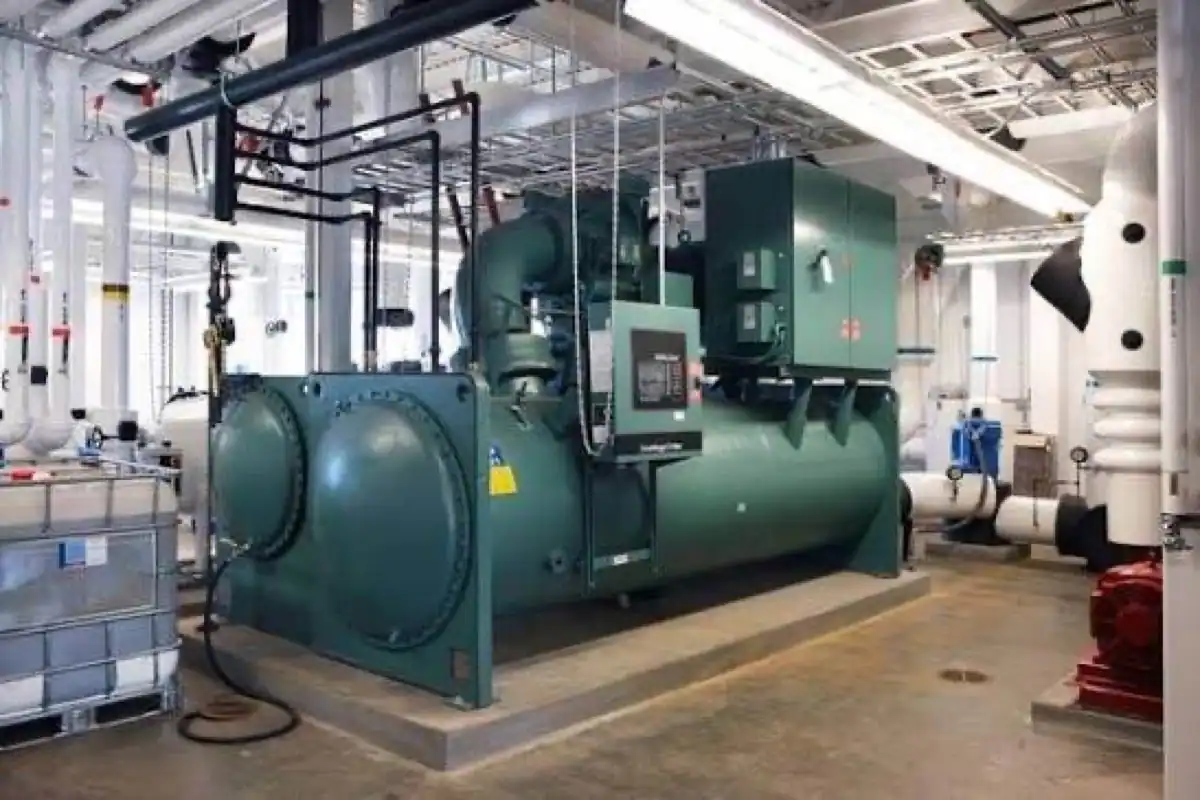
Selling a Chiller Plant: Whole or Piece by Piece?
A complete central plant sometimes sells better as a system than as components. Here is how to tell which case you are in.
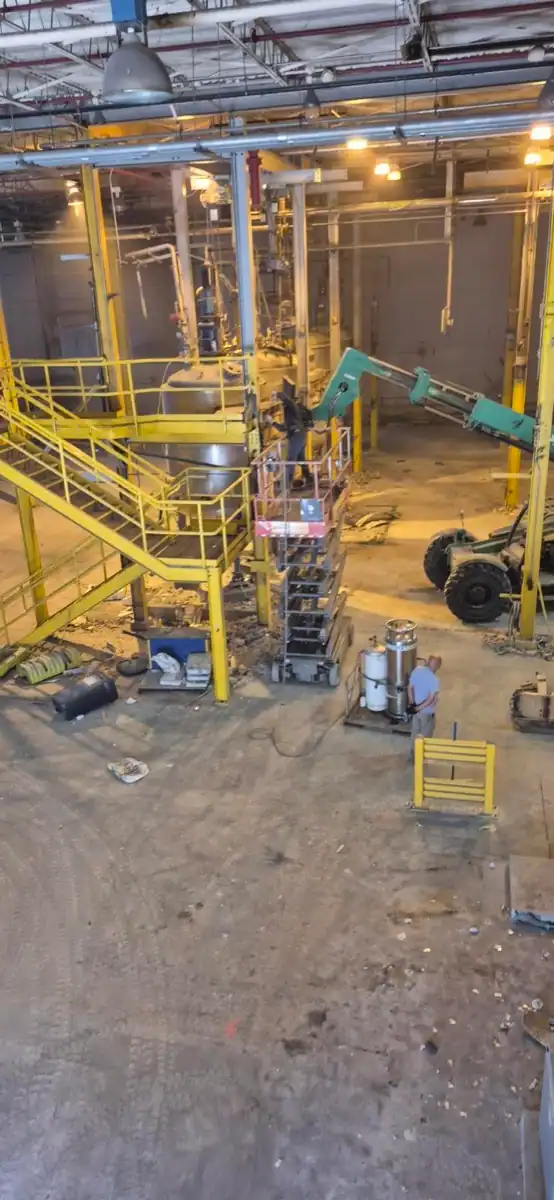
Why Removal Access Changes What Your Equipment Is Worth
A buyer prices the equipment and the extraction together. What you can do about access, and what it is worth.
What Actually Determines Used Equipment Resale Value
Age matters less than most sellers assume. Condition, documentation, removal difficulty and market depth matter more.