
Buying Equipment From a Closing Plant or Facility
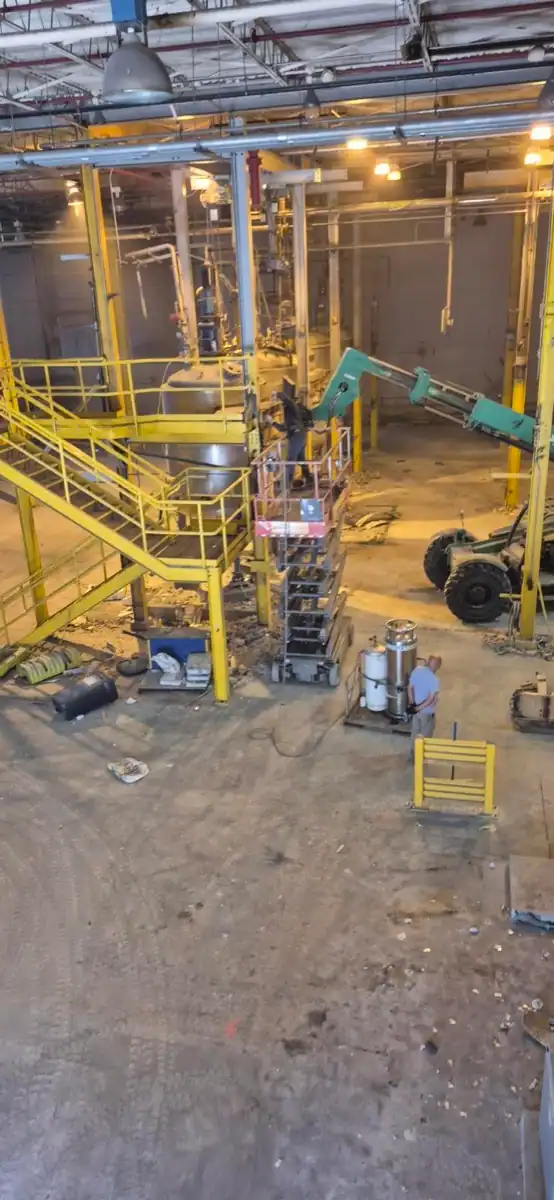
A closing plant is one of the best places to buy industrial equipment, and one of the easiest places to get burned. Everything from chillers and cooling towers to transformers, switchgear, generators, and boilers is suddenly available, often priced to clear before a lease runs out or a demolition crew moves in. The upside is real. So is the risk of buying a stripped, untested, or badly-rigged unit under time pressure.
We're on the other side of this constantly — clearing plants, buying the good equipment, and reselling it. Here's how to buy from a closing facility without inheriting someone's headache.
Where the equipment comes from — and the timing pressure
When a facility shuts down, its owners want the building empty by a hard date: a lease expiration, a sale closing, or a scheduled demolition. That deadline is your leverage and your risk. Prices drop as the clock runs, but so does the time to inspect, test, and rig properly.
Three common scenarios:
- Orderly decommissioning. The owner plans months ahead and equipment is documented and de-energized properly. Best case for a buyer.
- Fire-sale shutdown. A sudden closure where everything must go in weeks. Deals are sharper but documentation is thin.
- Demolition-driven clearance. The building is coming down and a demo contractor is handling asset recovery. This is where we operate — we buy the equipment worth saving and clear the rest as part of plant cleanup and interior demolition.
The single biggest timing mistake is starting your inspection after the shutdown announcement instead of before. If you know a facility is winding down, get in early.
Inspect before the power goes off
The best time to evaluate rotating and electrical equipment is while it's still energized and running. Once the plant de-energizes, you lose the ability to see a chiller run, hear a compressor, or load-test a generator.
If you can get in while it's live:
- Chillers: watch it run, check for leaks, log the refrigerant type and run hours.
- Generators (Caterpillar, Cummins, Kohler, Generac): confirm run hours, look at the fuel system, ideally see it start and take load.
- Switchgear and transformers (Square D, Eaton, ABB, GE, Siemens): confirm ratings on the nameplate, check for burn marks, oil condition, and PCB documentation on older units.
If the power is already off, insist on test results or the right to test before you commit.
Don't let the equipment get stripped
A closing plant attracts scavengers. Copper, VFDs, controls, and starters walk off before the buyer shows up, and a partially stripped unit is worth a fraction of a complete one. If you're buying something specific, get it tagged and, ideally, secured or removed quickly. The gap between an intact chiller and one missing its controls and starter can be thousands of dollars.
This is a real advantage of buying from a contractor who controls the site. When we clear a facility, the equipment we've committed to a buyer stays complete and secured until pickup.
Plan the rigging before you buy
Getting equipment out of a closing plant is often harder than getting it out of an operating one. Aisles get blocked, docks get shut, and the crane access you assumed may already be gone.
- Walk the actual rigging path before you commit. A rooftop chiller with crane access is easy; a basement unit behind a narrowed doorway is not.
- Confirm who's responsible for removal, refrigerant recovery, and disposal — you or the seller.
- Get the pickup window in writing against the shutdown deadline. If the building locks on the 30th and your rigger can't come until the 5th, you own an expensive problem.
See chiller removal and rigging cost for how these logistics actually price out.
Pay the right number under pressure
The whole appeal of a closing plant is the discount, but time pressure makes buyers either overpay to lock a deal fast or lowball and lose it. Anchor on what the equipment is worth tested and complete on the secondary market, then subtract your removal and testing cost and the risk of thin documentation. That's your number. In Florida, where plant closures and consolidations are steady, there's usually another deal behind this one — so don't let urgency push you off a fair price.
If you'd rather have one party handle sourcing, testing, removal, and delivery from a closing facility, tell us what you're after or get in touch. We already work these sites.
The paperwork that protects you
Buying from a closing facility means the seller is often winding down and won't be around later to answer questions, so get the documentation up front. Confirm clear title or authority to sell — a plant in receivership or a leaseholder selling landlord-owned equipment can create ownership headaches. On oil-filled transformers and older switchgear, get the PCB and oil documentation in writing before money changes hands. On chillers, get the nameplate, refrigerant type, and any service or run-hour records. On generators, get the run-hour meter reading and maintenance log. A closing facility rarely has time to reconstruct records after the fact, so anything not captured before the doors lock is gone for good. Put the pickup window, the condition, and exactly what's included in a short written agreement — under time pressure, a handshake and a partial memory turn into disputes. See our related guides on used generators for sale in Florida and used switchgear for sale in Florida for the specific records each category needs.
Bottom line
Buying from a closing plant rewards the buyer who moves early, inspects while the power's still on, keeps the unit from getting stripped, and nails down rigging and pickup against the shutdown clock. Get those four right and a closing facility is the cheapest place in the market to buy serviceable industrial equipment. Rush them and the discount disappears into repairs and logistics.
Looking for used equipment?
We move chillers, boilers, generators, and cooling towers across Florida and nationwide. Tell us what you need.
Ask About Available UnitsMore in Buying Guides
Buying Used Machine Tools From a Plant Closure
Machine tools from a closing facility can be the best value in industrial equipment, provided you evaluate wear, controls and what it takes to move.
Inspecting a Used Industrial Boiler Before You Buy
Pressure vessel condition, jurisdiction paperwork and burner package all decide whether a used boiler is a bargain or an ornament.
Load Testing a Used Generator Before You Buy
Hours mean little without a load test. What to test, what to look for, and what a generator's history tells you.