
Used Industrial HVAC Equipment in Florida
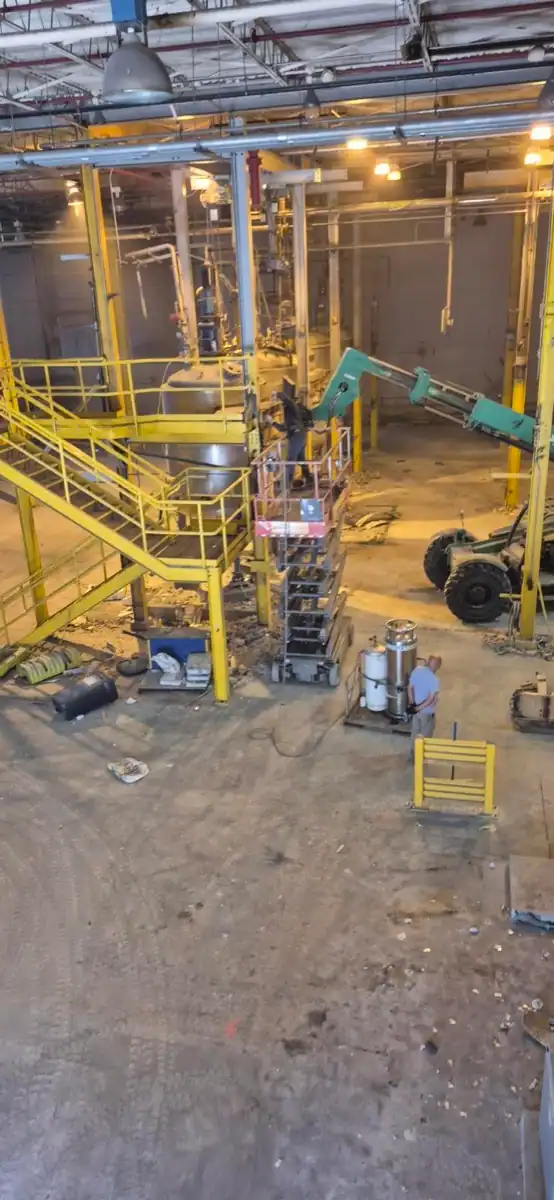
Florida runs its cooling equipment hard. Between the heat, the humidity, and 24/7 process loads, industrial HVAC here gets replaced on a steady cycle — which means there's a constant stream of good used chillers, cooling towers, air handlers, and boilers coming out of plants, hospitals, and commercial campuses. We pull a lot of it during decommissionings, and it resells for a fraction of new to buyers who know what they're looking at.
This is a practical map of what's out there, what it's worth, and how to buy it without inheriting someone else's problem.
The big four categories
Chillers. The workhorse. On the used market you'll see centrifugal units from York, Carrier, Trane, McQuay, Daikin, and modular Multistack systems, typically 150 to 1,500 tons for commercial and larger for heavy process. A running, recently-serviced unit on a current refrigerant is the strongest buy in the whole category. Start with our guide on used chillers for sale in Florida.
Cooling towers. BAC, Marley/SPX, and Evapco dominate. Fill condition, basin corrosion, and fan/gearbox health are what make or break a used tower. FRP and stainless towers hold up far better in Florida's salt-air coastal zones than galvanized. See used cooling towers for sale in Florida.
Air handlers and RTUs. Big built-up air handlers and packaged rooftop units come out of the same buildings. Coil condition and motor/VFD health drive value.
Boilers. Even in Florida, process steam and hot-water boilers turn over regularly. Firetube and watertube units from the usual industrial names resell steadily — see who buys used industrial boilers.
Why the Florida secondary market is deep
A few things keep the supply flowing here:
- Heavy replacement cycles. Coastal humidity and salt accelerate wear, so equipment gets swapped before it's truly dead — meaning lots of serviceable used units hit the market.
- Constant construction and consolidation. Plant closures, hospital expansions, and data-center buildouts all generate decommissioned mechanical rooms.
- New-equipment lead times. New chillers and large air handlers can be 30 to 50 weeks out. A tested used unit ships this week. That gap is exactly why the used market stays hot.
The result is that a buyer in Tampa, Orlando, Jacksonville, or Miami can usually source a unit locally, cut the freight, and skip the lead time.
What used equipment actually costs
Rough secondary-market ranges to set expectations:
- Chillers: low four figures for small or older-refrigerant units up into the tens of thousands for large, recently-serviced centrifugals on current refrigerant.
- Cooling towers: a few thousand for a mid-size tower needing fill and basin work, more for a clean FRP or stainless unit.
- Air handlers / RTUs: highly size-dependent; the value is in intact coils, motors, and controls.
- Boilers: driven by horsepower, pressure rating, and burner condition.
The premium in every category is the same: tested, documented, complete units with current refrigerants or clean combustion. Stripped or undocumented equipment sells for less because the buyer is absorbing risk.
How to buy it right
Get the nameplate first. Model, serial, capacity, voltage, and refrigerant or fuel type. Everything else is secondary to whether the unit fits your service and load.
Insist on run history. Equipment that was operational and on a maintenance contract within the last year is worth far more than something that sat idle for three. Ask for service records.
Confirm testing. A chiller should be leak-checked and, ideally, run-tested. A boiler should have a recent inspection. A cooling tower should be checked for basin and fill condition.
Plan the rigging early. Removal and freight are real line items. A rooftop unit with crane access is cheap to move; a basement chiller with a tight rigging path is not. Factor it before you fall in love with the price.
Buy direct when you can. A direct buyer-seller who did the removal knows the unit's real history and controls the whole chain. That usually beats a broker who's guessing at condition.
If you tell us your capacity, voltage, and location, we'll match equipment out of current inventory or an upcoming Florida decommissioning. Start here or reach out directly.
Refrigerants and the phase-down clock
One factor cuts across the whole cooling side of this market and it's worth understanding before you buy: refrigerant. The industry is mid phase-down, and it changes what a used unit is worth to you. Chillers on R-134a, R-513A, and R-1234ze are current-generation and hold their value because you can service and recharge them for years without a compliance problem. Older R-22 and R-123 units are cheaper to buy up front, but the refrigerant is being phased down, prices on it climb, and you're buying a platform with a shorter runway. That doesn't make an R-22 unit a bad buy — for a short-term or interim load it can be a bargain — but you should pay a short-term price for it, not a current-gen price. The same logic applies to the refrigerant charge itself, which has real value on current units. Our guide on used chiller refrigerants explained breaks down which refrigerant is in which era of equipment and what it means for total cost of ownership.
Bottom line
Florida's constant HVAC replacement cycle makes it one of the best places in the country to buy used industrial cooling and heating equipment. Match the nameplate to your service, insist on run history and testing, plan the rigging up front, and buy direct. Do that and you'll land equipment this week for a fraction of new — instead of waiting most of a year for a factory build slot.
Looking for used equipment?
We move chillers, boilers, generators, and cooling towers across Florida and nationwide. Tell us what you need.
Ask About Available UnitsMore in Buying Guides
Buying Used Machine Tools From a Plant Closure
Machine tools from a closing facility can be the best value in industrial equipment, provided you evaluate wear, controls and what it takes to move.
Inspecting a Used Industrial Boiler Before You Buy
Pressure vessel condition, jurisdiction paperwork and burner package all decide whether a used boiler is a bargain or an ornament.
Load Testing a Used Generator Before You Buy
Hours mean little without a load test. What to test, what to look for, and what a generator's history tells you.