
Electrical Room Decommissioning: Switchgear, Transformers, and MCCs
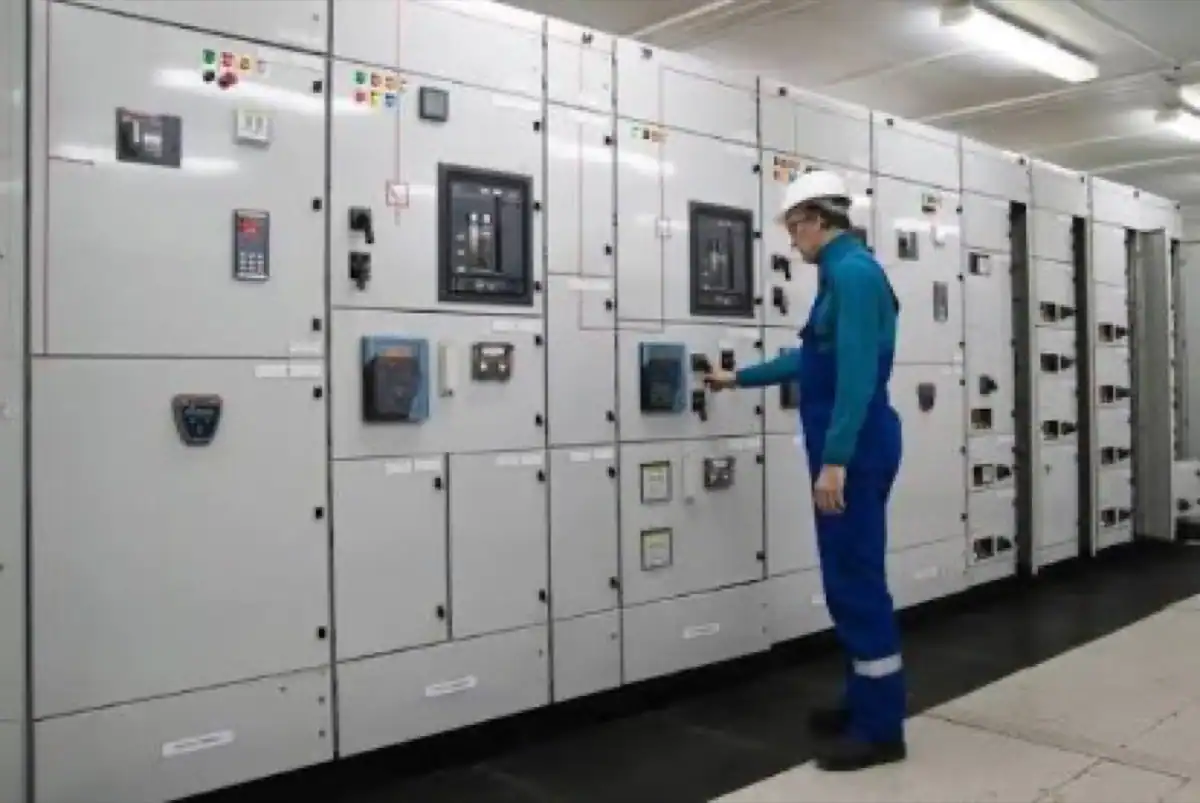
When a plant closes, the electrical room is often the last system still live and the first place a buyer looks. Service transformers, switchgear, motor control centers, and distribution panels are recoverable, resellable equipment, and the copper in the bus and cable runs is worth real money as scrap. Getting the room decommissioned safely and getting the value out are the same job done in the right order.
Utility disconnect comes first
The electrical room cannot be worked until the utility has removed the service. That means the account holder requests the disconnect, the utility de-energizes and removes its metering and the service drop or pulls the feed at the primary, and confirms in writing. Nothing inside the room is assumed dead until that confirmation is in hand and verified with test equipment by a qualified electrician.
This is the step that most often delays a plant cleanout, and it is worth starting on the day the decision to close is made. The wider issue is covered in utility disconnection: the step that delays everything.
De-energize, verify, lock out
Once the utility service is gone, the plant's own sources are addressed: the standby generator and its transfer switch, any UPS systems and their battery strings, capacitor banks, and any solar or co-generation tie-in. Each is isolated, verified dead, and locked out. Capacitors and UPS batteries store energy independently of the utility and are treated as live until proven otherwise.
Transformers
Service and distribution transformers are the highest-value items in most electrical rooms. Dry-type units are straightforward to recover. Oil-filled units require attention to the oil: transformers of a certain age may contain PCB-contaminated oil, and the oil has to be tested before the unit is moved or sold. A transformer with a clean test is a sellable machine. One with contaminated oil is a regulated disposal.
We buy used transformers and handle the testing as part of the appraisal. What determines the number is covered in what is a used transformer worth.
Switchgear and motor control centers
Low- and medium-voltage switchgear, switchboards, and motor control centers all have a secondary market, particularly from major manufacturers and in configurations that are still supported. Buckets, breakers, and relays are sometimes worth more individually than the lineup is as a whole. The condition of the equipment, whether it was maintained, and whether the documentation exists all matter. We buy used switchgear and MCCs and appraise them in place, before anything is disconnected.
Equipment that is being sold is disconnected carefully with its cable terminations labeled and its doors, covers, and hardware kept together. Equipment that is being scrapped is stripped for the copper bus and the breakers, which retain value even when the lineup does not.
Cable, bus duct, and conduit
The copper in a plant's feeder cables and bus duct is often worth more than people expect. Cable is pulled from conduit and tray, bus duct is dismantled, and the copper is separated from the aluminum and steel. On a large plant the copper alone is a significant credit on the project.
Batteries and other regulated items
UPS battery strings and any emergency lighting batteries are lead-acid or lithium and go to a recycler under their own manifest. Fluorescent lamps and ballasts from the room are universal waste. Older switchgear may have mercury-containing relays or asbestos arc chutes, which the survey should identify.
Frequently Asked Questions
Can the electrical equipment be sold before the plant is fully off?
It can be appraised and committed while the plant is running, which is the best time because a buyer can see it energized. Removal happens after the utility disconnect.
What about the oil in the transformer?
It is tested before the unit moves. Clean oil means a sellable transformer. Contaminated oil means a regulated disposal, and the unit is handled accordingly.
Is the copper wiring worth recovering?
Yes. Feeder cable and bus duct copper is a meaningful scrap credit on any plant of size.
Who confirms the room is dead?
A qualified electrician, with test equipment, after the utility confirms the service is removed. The demolition crew does not touch the room until then.
Demo Dynasty recovers electrical equipment as part of plant cleanup and demolition projects across Florida and the Southeast from Auburndale, FL. Call (689) 323-4676 or request a quote.
Decommissioning a facility?
Full plant cleanup — equipment recovery, hazmat-aware, turnkey scopes.
Get a Plant Cleanup QuoteMore in Plant Cleanup
Utility Isolation and Lockout During a Plant Decommissioning
Every energy source in a facility has to be identified, isolated and verified before removal work starts. This is the plan that prevents the serious incidents.
What to Do With Process Piping
Miles of pipe in an industrial facility is either a disposal cost or a recovery, depending on what ran through it and how it comes out.
Closing Out a Plating Line or Process Tank System
Process tanks, plating lines and waste treatment systems have to be emptied, cleaned and documented before anything structural happens. The order is not negotiable.