
What Is a Used Transformer Worth?
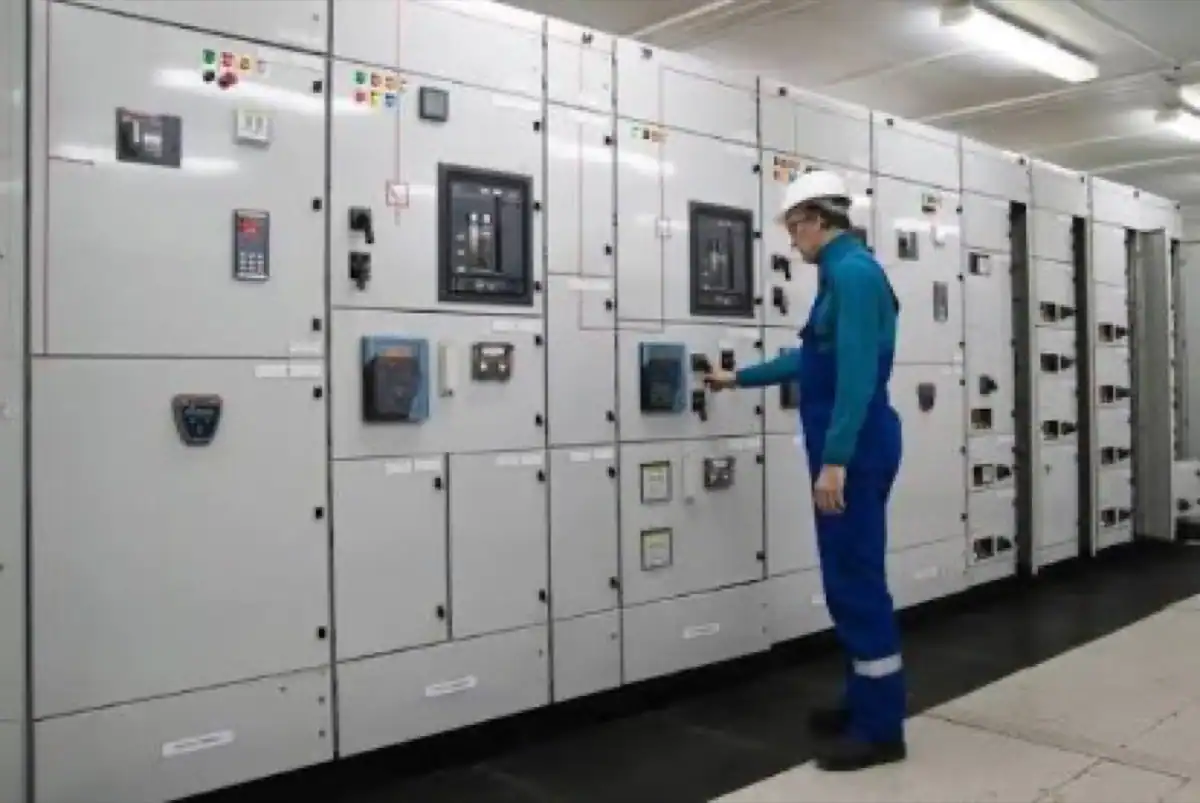
"What is my transformer worth?" is the question we hear most, and the honest answer is a range that depends on five factors. A tested, in-demand unit can bring several times its scrap-metal value. A burned-out or contaminated one may be worth only the copper inside. The good news is that the factors are knowable, and once you understand them you can estimate your own number before you ever call a buyer.
We price and buy transformers directly through our transformer program. Here is exactly how the value is built.
Factor 1 — kVA rating
Capacity is the headline. Resale demand is deepest in the 75 kVA to 2,500 kVA band because that range fits the widest set of commercial and light-industrial replacement jobs. Very small units (below 45 kVA) are so cheap new that used demand thins out, and very large substation units above 5,000 kVA move to a narrow pool of specialized buyers even though the absolute dollars are larger. Mid-range is the sweet spot for both speed and price.
Factor 2 — voltage class
Primary and secondary voltage decide who can even use your unit. A 12,470 to 480/277 pad-mount and a 480 to 208/120 dry-type are not interchangeable, and each serves a different buyer. Common utilization voltages (480, 208, 240) have the broadest demand. Odd or dated primary classes narrow the buyer pool, which softens the price. This is why we ask for the full nameplate before quoting anything.
Factor 3 — winding material: copper vs aluminum
Inside the transformer, the windings are either copper or aluminum, and this matters two ways. On the resale side, copper-wound units are generally viewed as more robust and command a premium. On the scrap side, copper is worth several times more per pound than aluminum. So a copper-wound unit has a higher floor (better scrap value) and a higher ceiling (better resale value) than an otherwise identical aluminum unit. If your nameplate or paperwork states the winding material, it directly moves the offer.
Factor 4 — oil and PCB condition
For liquid-filled units, the dielectric fluid is a value gate:
- Clean oil, tested below 50 ppm PCB — full resale value, no disposal drag.
- Untested oil — a buyer prices in the cost of sampling and the risk of contamination, which trims the offer until proven clean.
- Confirmed PCB contamination — disposal cost enters the math and can pull the number toward scrap-minus-remediation.
Dry-type transformers skip this entirely, which is one reason they sell so cleanly. We explain how to document the oil status in our guide on how to sell a used transformer.
Factor 5 — condition and test results
Finally, does it work? A unit with a recent insulation-resistance (megger) test, a turns-ratio (TTR) test, and a clean visual inspection sells as a working machine. A unit with a failed bushing or bad tap changer sells as a rebuild candidate at resale-minus-repair. A unit that failed catastrophically sells as recoverable core. Documentation swings the number here more than almost anything — a tested unit with paperwork consistently beats an identical untested unit sold blind.
Putting it together: a realistic range
Combine the factors and most transformers land in one of three tiers:
- Resale tier — tested, common voltage, copper or clean aluminum windings, good oil or dry-type. These bring a resale premium that can run several times scrap value for mid-range kVA units.
- Rebuild tier — sound core, minor repairable faults. Resale-minus-repair money, still well above scrap.
- Recovery tier — failed, burned, or PCB-contaminated. Priced on metal content, with copper units worth substantially more than aluminum. For the full logic on when a unit crosses from resale into recovery, read scrap versus resale value of industrial equipment.
We keep tested units in circulation, so our used transformers for sale listings give you a live sense of what condition and specs command on the buy-back side.
Why going direct captures the most
Three types of buyers exist. Brokers take a margin and never own the unit. Scrap yards pay only for metal and ignore the resale premium — even on a perfectly good transformer. Direct end-buyers pay for the machine when it is resellable and for the core when it is not, which means you capture the resale premium instead of handing it to a middleman. That is the model we run.
Get a real number
Based in Auburndale and buying statewide across Florida, we quote from nameplate photos, the winding material, the oil status, and any test results you have. Text those to (689) 323-4676 or submit them through the transformer offer page, and we will come back with a firm, removal-included figure. If you would rather start with the full seller landscape, the sell hub lays out every equipment category we buy.
A used transformer is rarely worthless. Get the five factors documented and you will know, before any buyer calls, whether you are holding a resale asset or a scrap unit — and you will negotiate from knowledge instead of a guess.
Got equipment to sell?
Cash offers in 24–48 hours. Nationwide pickup. Any condition.
Get a Cash OfferMore in Selling Equipment
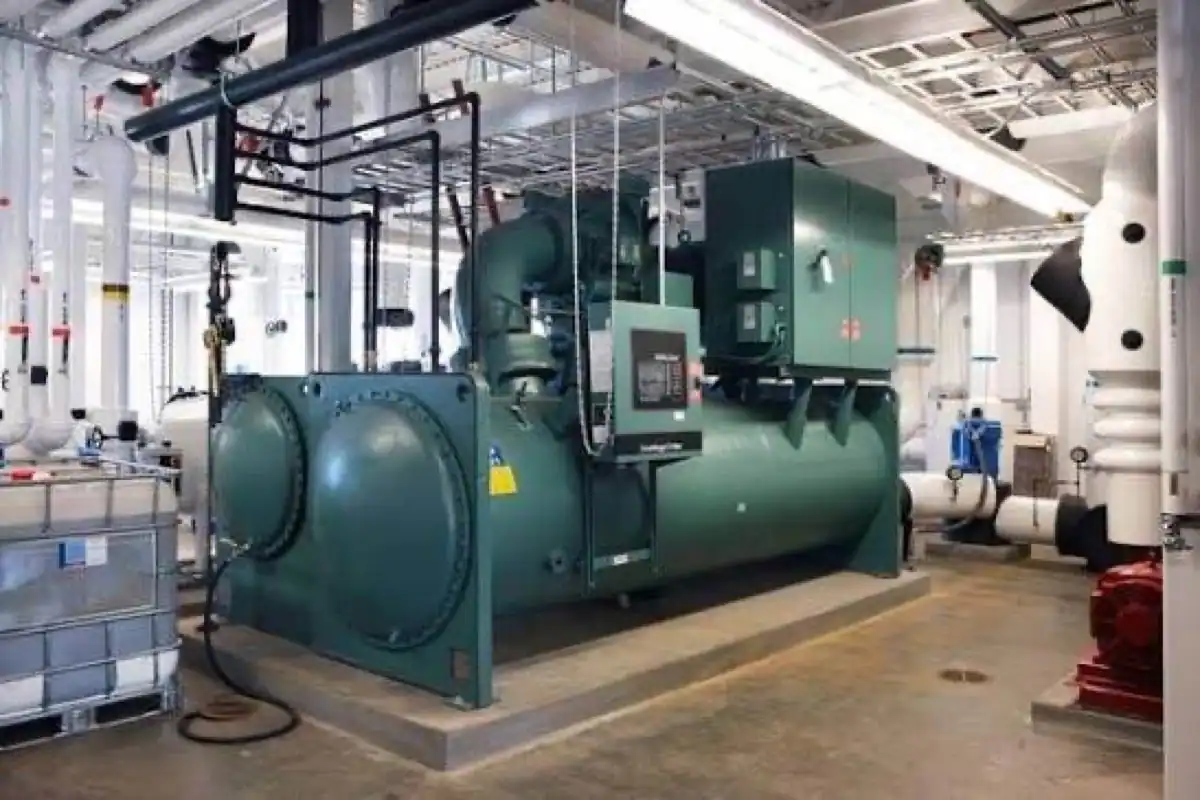
Selling a Chiller Plant: Whole or Piece by Piece?
A complete central plant sometimes sells better as a system than as components. Here is how to tell which case you are in.
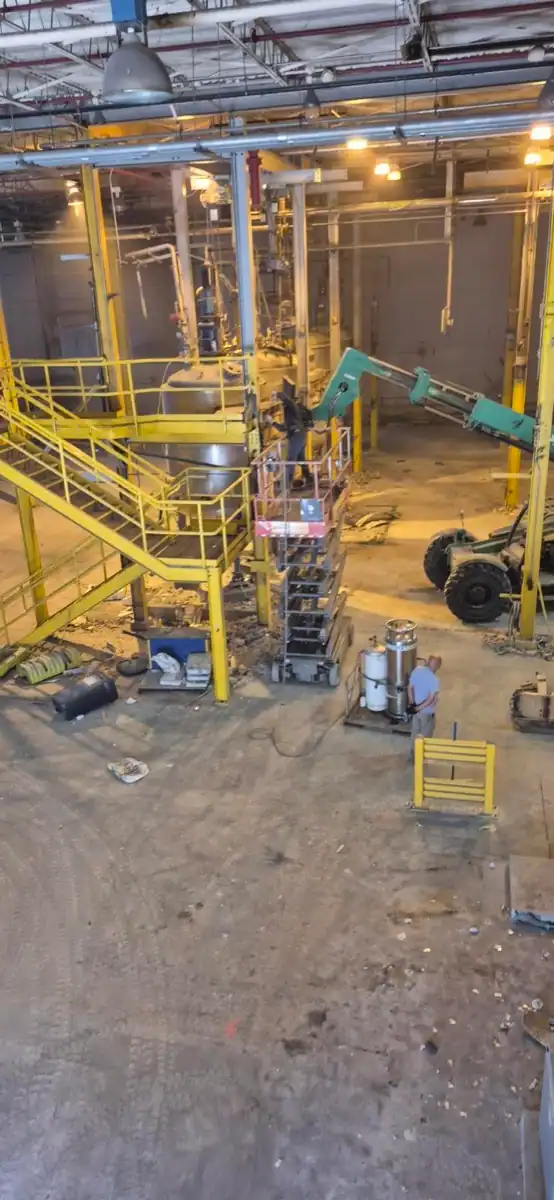
Why Removal Access Changes What Your Equipment Is Worth
A buyer prices the equipment and the extraction together. What you can do about access, and what it is worth.
What Actually Determines Used Equipment Resale Value
Age matters less than most sellers assume. Condition, documentation, removal difficulty and market depth matter more.