
Asbestos Survey Before Demolition: What Florida Requires
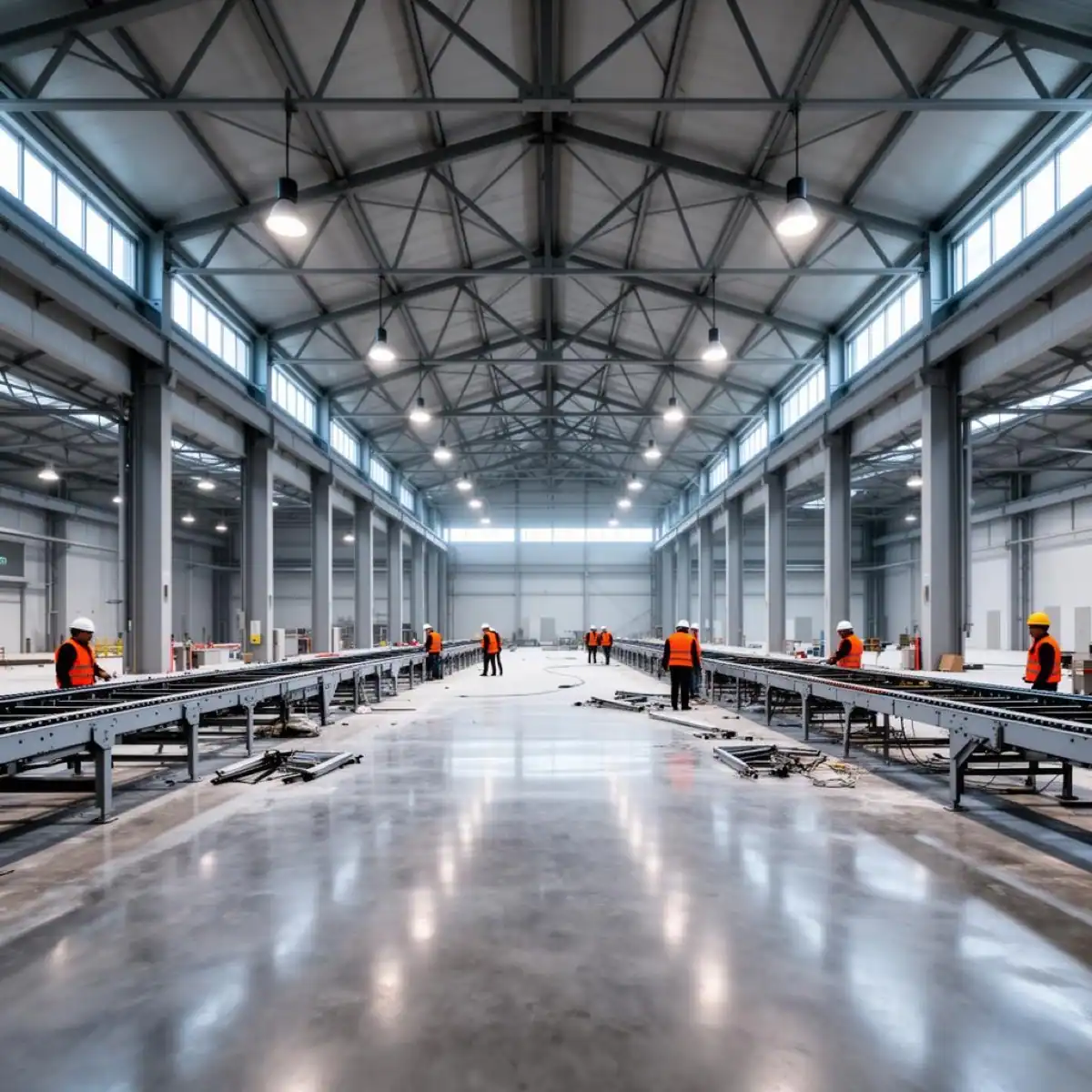
If you take one thing from this article: order the asbestos survey first, before you do anything else. It gates the permit, it gates the notification clock, and it is the only unknown in a demolition budget that can swing by six figures. Every other decision on a demolition project can be made in parallel. This one cannot be skipped or hurried.
The requirement, plainly
Federal EPA NESHAP rules require a thorough inspection for asbestos-containing material before the demolition or renovation of essentially any commercial or industrial structure — regardless of the building's age. Florida implements this through the Department of Environmental Protection and delegated local programs, and Florida building departments routinely refuse to accept a demolition permit application without the survey report attached.
The "my building is too new" argument does not work. Asbestos products were legally installed in the United States well past the point most people assume, and the rule is not age-based anyway.
Who can perform it
A Florida-licensed asbestos consultant or inspector. Not your general contractor, not your demolition crew, not the maintenance manager who has been in the building for twenty years. The report has to come from a licensed party with the sampling documented and the lab results attached, or the building department will bounce it.
What actually gets sampled
Inspectors sample by homogeneous material area, which means far more sample points than owners expect. The usual finds in Florida commercial and industrial stock:
- Roofing — built-up roof felts, mastic, flashing compound
- Flooring — 9x9 and 12x12 vinyl tile and, more often, the black adhesive under it
- Thermal insulation — pipe wrap, elbow mud, boiler and tank lagging
- Wall and ceiling — transite panels, sprayed fireproofing, acoustic texture, joint compound
- Miscellaneous — window glazing, caulk, fire doors, electrical panel arc chutes, gaskets in mechanical equipment
Industrial buildings are richer in the thermal categories. A plant with an old steam loop is very likely to have asbestos on the pipe insulation even if every visible surface reads modern.
Destructive sampling matters
A visual-only survey is not a survey. Materials hide behind drywall, above hard ceilings, inside chases, and beneath later flooring layers. A survey done without destructive access will miss things, and the miss shows up mid-demolition, which is the worst and most expensive time to find it.
Push for destructive sampling before demolition. It is far cheaper to open a wall on purpose during the survey than to stop a crew, secure a site, and re-notify after an accidental disturbance.
What happens if material is found
Regulated asbestos-containing material must be removed by a licensed abatement contractor before demolition begins. That work runs under containment, with negative air, trained crews, air monitoring, and clearance testing at the end. It has its own notification, its own manifests, and its own schedule.
Costs scale with quantity, friability, and access. Localized pipe insulation in an accessible mechanical room is a modest job. Widespread transite siding on a large industrial building, or fireproofing throughout a multi-story structure, is a major project in its own right — sometimes a bigger line item than the demolition itself.
Non-friable material in good condition can occasionally remain during specific renovation scopes, but for demolition the default answer is that it comes out first.
The ten-day clock
Even when a survey comes back completely clean, most commercial demolitions still require a NESHAP notification with a 10-working-day waiting period before demolition may start. File it as soon as the survey is in hand. Owners who wait until the crew is mobilized lose two weeks they did not budget.
What else the survey should catch
While the inspector is on site, get lead paint assessed too — common on older structural steel and industrial coatings — and note the other regulated items a demolition scope has to handle: mercury thermostats and switches, PCB-suspect ballasts and transformer oil, refrigerant in any cooling equipment, and fuels or process chemicals still in tanks. Refrigerant in particular has its own recovery requirement, covered in our plant decommissioning checklist.
Keeping it off the critical path
The projects that run smoothly do three things in the first week: order the survey, request the utility disconnects, and start the permit application package. The survey drives the notification, the notification drives the start date, and everything else fits inside that window.
We coordinate surveys and abatement scheduling as part of our demolition and plant cleanup scopes across Florida, so the sequencing is handled rather than handed back to you as a list of vendors to chase.
Call (689) 323-4676 or request a quote. Related: how to get a demolition permit in Florida and how long commercial demolition takes.
Need an interior stripped?
Nationwide interior demolition crews. Fast scheduling. Clean hand-offs.
Request a Demo QuoteMore in Demolition
Strip Mall and Retail Center Demolition in Florida
Older retail centers are coming down across Florida for redevelopment. Here is what drives the cost and schedule on a strip mall teardown.
Gas Station Demolition: What Is Actually Involved
A gas station teardown is a tank closure, a canopy removal, and a building demolition rolled into one regulated project. Here is how it sequences.
Hotel and Motel Demolition in Florida
Florida's aging roadside motels and mid-century hotels are prime redevelopment sites. What drives cost and schedule when one comes down.