
Dumpster vs Hauling Crew for a Rehab: Which Costs Less?

Every rehab produces debris, and every investor has a default for handling it. Most default to a roll-off dumpster because it is simple and the price looks fixed. It often is the right answer. But on a lot of gut-outs the dumpster is more expensive than it looks, and a crew that loads and hauls is cheaper. Here is how to tell which situation you are in.
What a dumpster actually costs
The rental price covers delivery, a set number of days, pickup, and a weight allowance. The number people forget is the weight allowance. Rehab debris is heavy: drywall, plaster, tile and thinset, and wet material all weigh far more per cubic yard than furniture and cardboard. A dumpster that is full by volume is often over its weight allowance, and the overage is billed per ton at the disposal rate.
Then there is the labor. A dumpster in the driveway still needs someone to carry every piece of debris out of the house and throw it in. On a gut-out, that is a significant share of the demolition labor. If the crew is billing by the hour, the dumpster does not save that labor; it just moves it.
And there is the schedule. A dumpster that sits full for two days waiting for a swap stops the job. A dumpster that is delivered before the crew is ready sits and accrues rental days.
What a hauling crew actually costs
A crew that demolishes and hauls prices the job as a whole: the labor to take the material out, the trucks to carry it, and the disposal. There is no weight surprise, because the crew estimated the tonnage and priced it. There is no schedule gap, because the trucks are part of the crew. And the material can be sorted as it goes out, so clean loads of concrete, metal, and wood go to cheaper facilities than the mixed C&D rate a dumpster gets.
The cost is that it is a single vendor and a single number, which some investors find harder to shop. It is worth asking for the tonnage assumption so it can be compared, the same way we recommend for any demolition in demolition debris hauling: how cost per ton really works.
When the dumpster wins
- Small jobs with light debris, such as a cosmetic refresh, a kitchen and bath only, or a cleanout of contents.
- Jobs where the investor's own crew is doing the demolition anyway and needs somewhere to put the material.
- Long, slow jobs where debris comes out over weeks rather than days.
- Sites where a truck cannot stage but a dumpster can sit.
When the hauling crew wins
- Full gut-outs, where the volume and weight of debris are high and the labor to load is a large part of the job.
- Tile and plaster houses, where the weight blows through dumpster allowances.
- Water-damaged properties, where wet material is heavy and the job has to move fast.
- Multifamily and upper-floor units, where carrying debris down stairs to a dumpster is the slowest part of the work.
- Tight urban lots where a dumpster cannot be placed legally without a permit.
- Investors running several rehabs at once, who want one call and one invoice per property.
On a typical investor gut-out, the second list applies more often than the first, and the combined demolition-and-haul price is usually lower than the crew-plus-dumpster price once the overage fees and the loading labor are counted. We run house gutting and debris removal as one scope for exactly that reason.
The hybrid
Some jobs work best with both: a crew does the gut-out and hauls the heavy demolition debris in a day or two, and a small dumpster stays on site for the trades' debris during the rebuild. That keeps the heavy, fast phase off the dumpster's weight allowance and gives the finish trades somewhere to put their scraps. It is how we set up most of our repeat investors.
Frequently Asked Questions
What is the biggest hidden cost of a dumpster?
Weight overage. Rehab debris is dense, and a full dumpster is frequently over its allowance.
Is a hauling crew always more expensive up front?
Not usually, once the demolition labor is included. The crew price covers labor, trucks, and disposal; the dumpster price covers only disposal.
Can I get the debris weighed?
Yes. Scale tickets from the disposal facility show actual tonnage, and we provide them.
Do you do the demolition and the hauling?
Yes. Gut-outs are typically done in a few days with the debris hauled as part of the job, and repeat investors get volume pricing. Cost background is in house gutting cost for investors.
Demo Dynasty handles gut-outs and debris removal for investors across Florida from Auburndale, FL. Call (689) 323-4676 or request a quote.
Fix-and-flip or rehab portfolio?
House gut-outs in 2–5 days. Volume pricing for repeat investors.
Get an Investor QuoteMore in Investor Guides
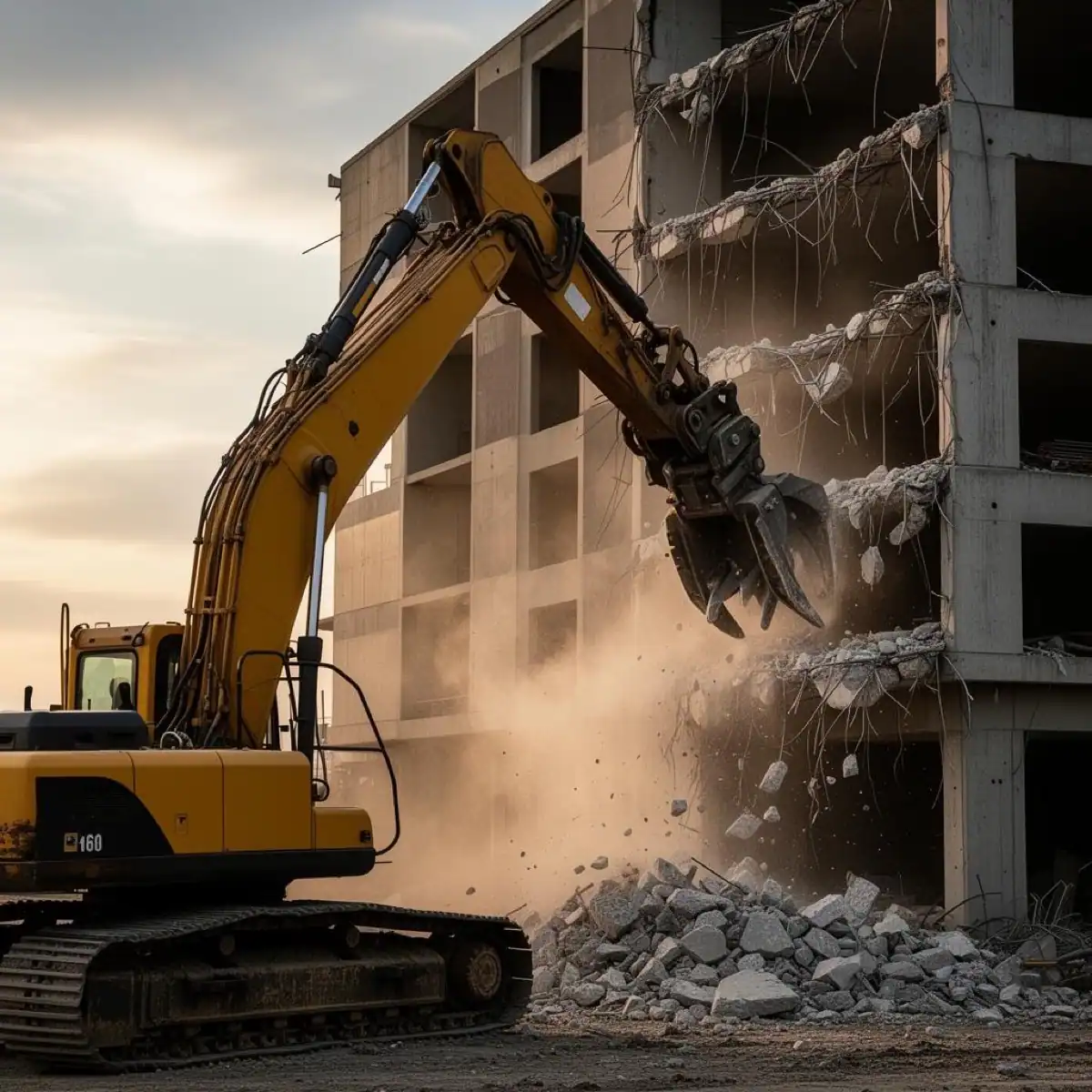
What It Costs to Get an Industrial Parcel Development-Ready
Between buying a closed plant and putting something new on it sits a set of costs that are predictable if you ask for them.

Buying a Closed Industrial Plant: What to Check First
Closed plants trade at a discount for reasons. Environmental status, structure, equipment and demolition cost decide whether the discount is real.
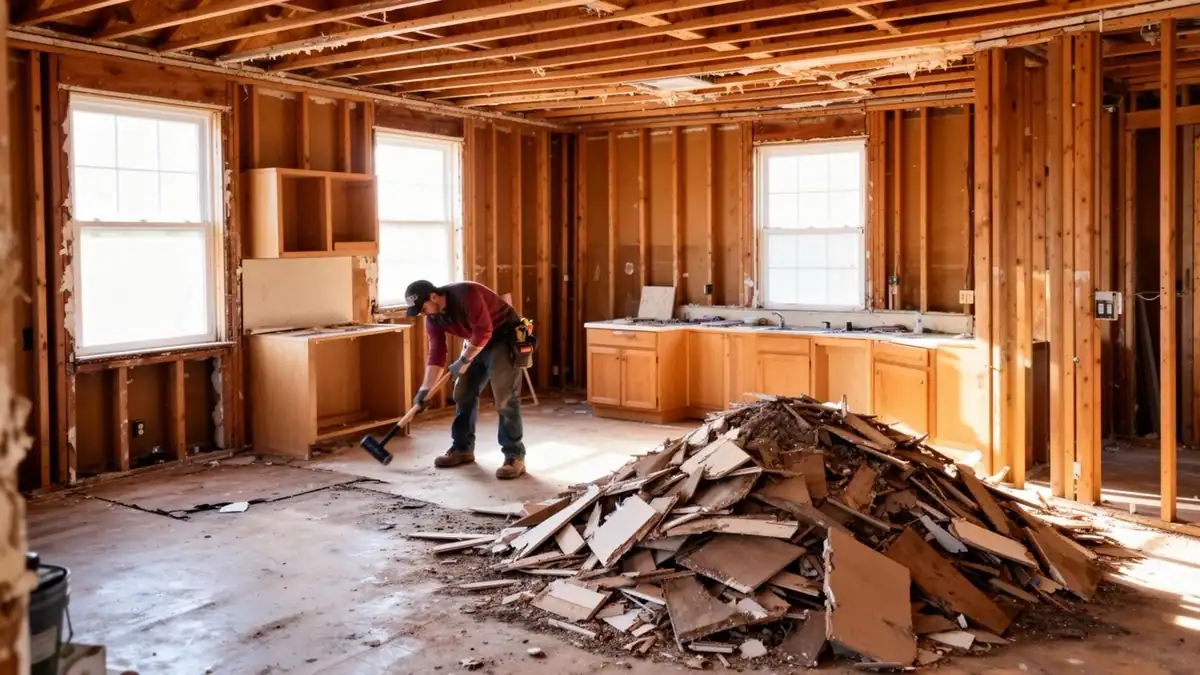
Gutting a House After Water Damage in Florida
Flooded and storm-damaged houses need a specific kind of gut-out, fast. What comes out, how far up the wall, and why the clock matters in Florida's climate.