
Buying a Closed Industrial Plant: What to Check First
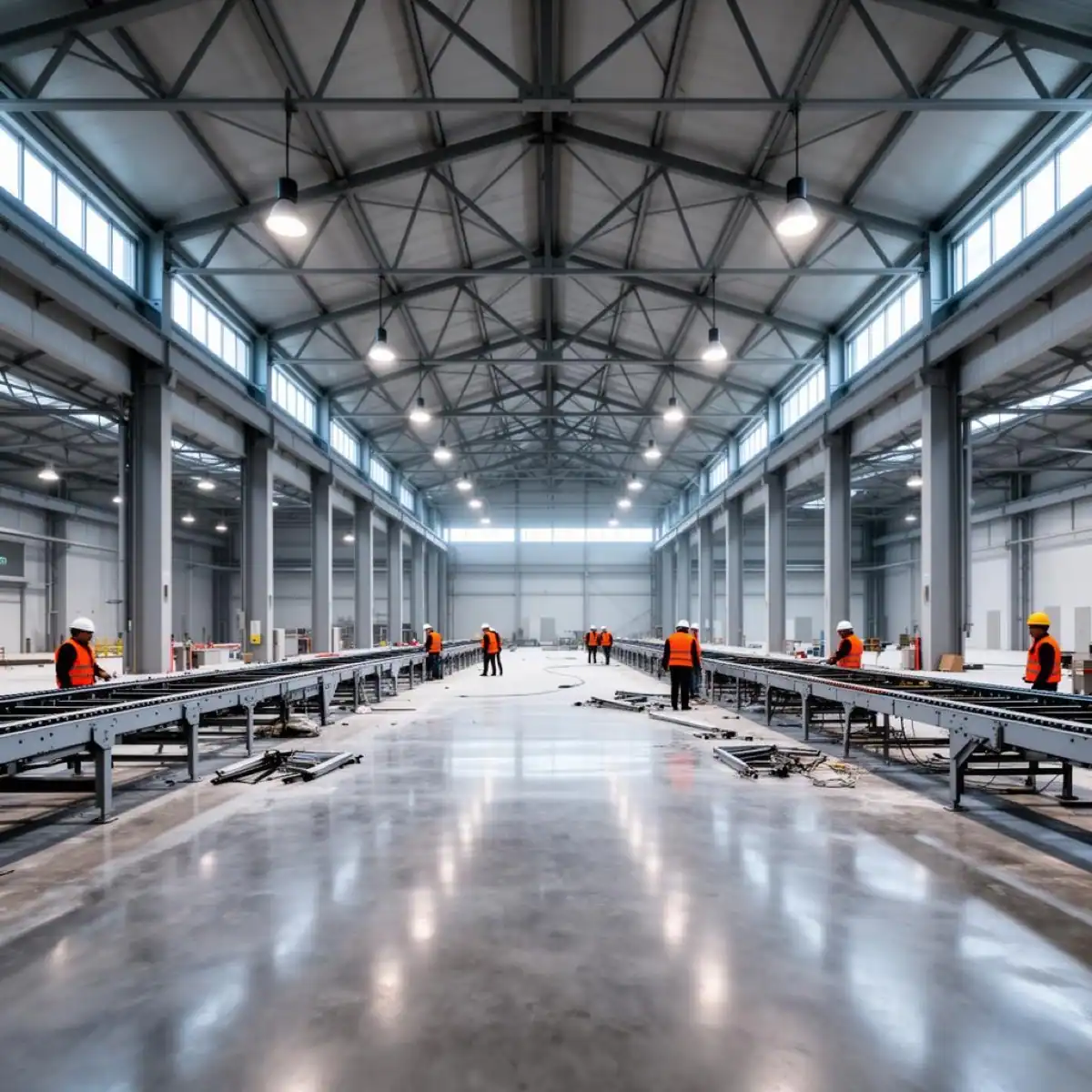
Closed industrial property looks cheap on a per-square-foot basis, and sometimes it genuinely is. The difference between a good buy and an expensive one is almost entirely what you learn before closing.
Environmental status is the first question and the biggest
Industrial property carries environmental risk, and the liability generally follows the property.
At minimum, a Phase I environmental site assessment — a records and site review identifying recognised environmental conditions. Where the Phase I flags anything, a Phase II with sampling.
Specific items to look for on any industrial parcel:
- Underground and above-ground storage tanks, registered or not.
- Historic uses that involved solvents, metals, fuels or chemicals.
- Floor drains, sumps, trenches and separators.
- Transformer locations, for PCB history.
- Evidence of spills, staining or disturbed ground.
- Prior regulatory filings, notices or open cases.
Buying a property with unresolved contamination without understanding it is the single largest risk in this category, and the cost is unbounded rather than merely large.
Hazardous materials in the building
Separate from soil and groundwater: asbestos, lead paint, PCBs in light ballasts and equipment, mercury in older instruments and switches, and any process residues left in tanks and piping.
An asbestos survey before purchase tells you what abatement will cost, and abatement on a large older industrial building is frequently a substantial number.
Structural condition
Buildings that have been idle deteriorate faster than occupied ones. Roofs leak, water gets in, and by the time a building has sat unheated and unmaintained for a few years the interior can be considerably worse than the exterior suggests.
Get a structural assessment, particularly on:
- Roof condition and any water damage.
- Corrosion in structural steel, especially near the coast.
- Foundation and slab condition.
- Any evidence of settlement or movement.
What equipment remains, and what it is worth
This is the item most often underestimated. A closed plant frequently contains transformers, switchgear, motor control centers, compressors, chillers, cranes, machine tools and material handling that carry real value.
An equipment appraisal before purchase can materially change the economics of a deal, and it is inexpensive relative to the transaction. On some purchases, the recoverable equipment value covers a meaningful proportion of the acquisition price.
Be aware that idle plants get stripped over time. Confirm what is actually still there rather than what an inventory from two years ago says.
Demolition and clearance cost
If the plan is redevelopment, the demolition cost is part of the acquisition cost and it should be quoted, not estimated.
Get a real number, including:
- Structural demolition.
- Abatement.
- Foundations and slabs to the depth your redevelopment requires.
- Below-grade structures, pits and tanks.
- Backfill and compaction to specification.
- Any environmental work identified.
Net of equipment recovery, which on an equipment-rich plant can be a large offset.
Utilities and infrastructure
What service is still connected, at what capacity, and what it costs to restore or upgrade. Heavy industrial electrical service is valuable and expensive to establish — an existing large service is a genuine asset on a redevelopment parcel.
Also confirm water, sewer, gas and telecom availability and capacity for the intended use.
Zoning and entitlements
What the parcel is zoned for, what the intended use requires, and what the entitlement path looks like. Industrial land being converted to another use frequently requires a rezoning process with its own timeline and uncertainty.
The pattern that costs people money
Buying on the per-square-foot price of the building, then discovering the environmental status, the abatement scope and the demolition cost afterward.
The order that works: environmental and structural assessment, equipment appraisal, demolition quote, then decide what the property is worth. All three of those are available before closing, and all three are cheap relative to the mistake.
Fix-and-flip or rehab portfolio?
House gut-outs in 2–5 days. Volume pricing for repeat investors.
Get an Investor QuoteMore in Investor Guides
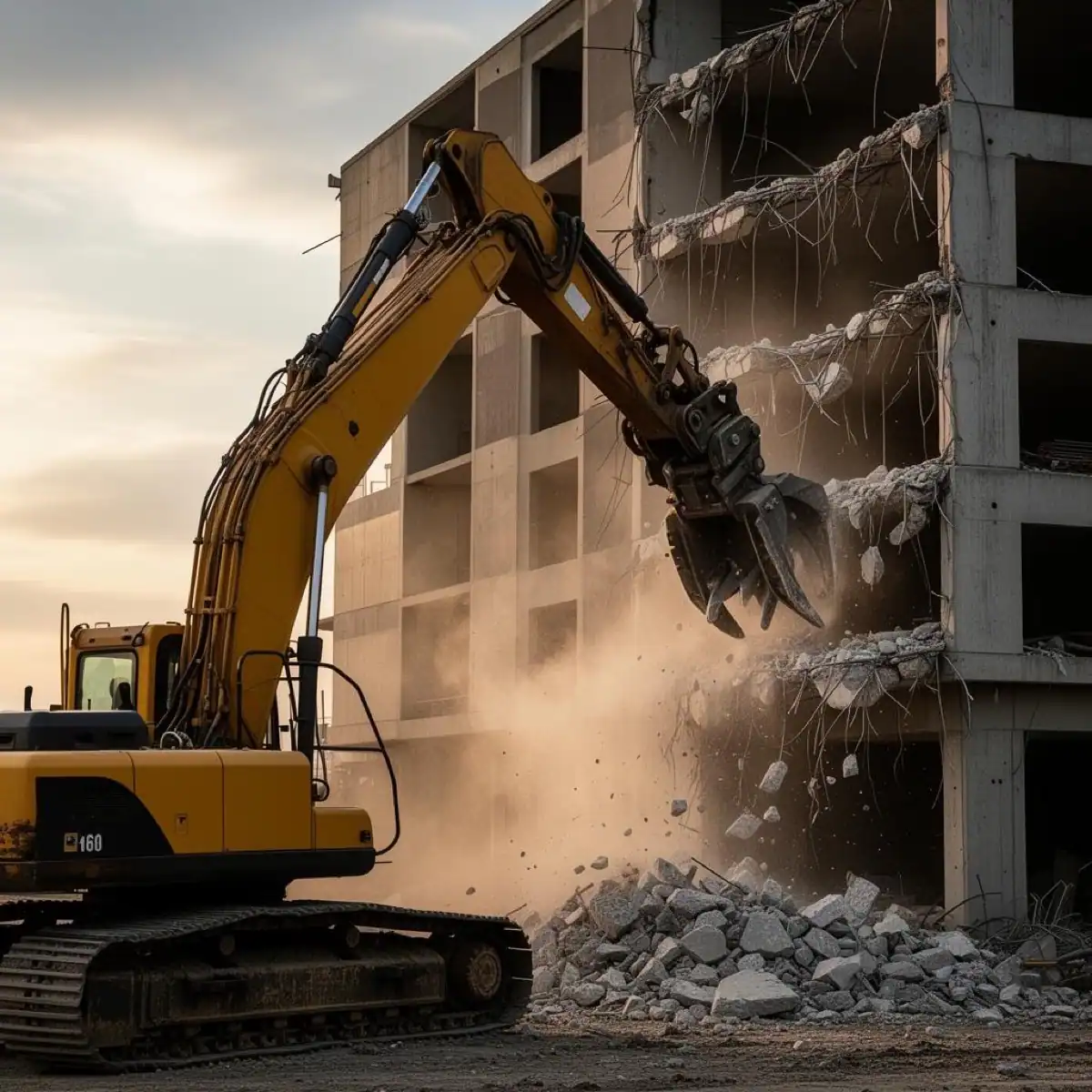
What It Costs to Get an Industrial Parcel Development-Ready
Between buying a closed plant and putting something new on it sits a set of costs that are predictable if you ask for them.
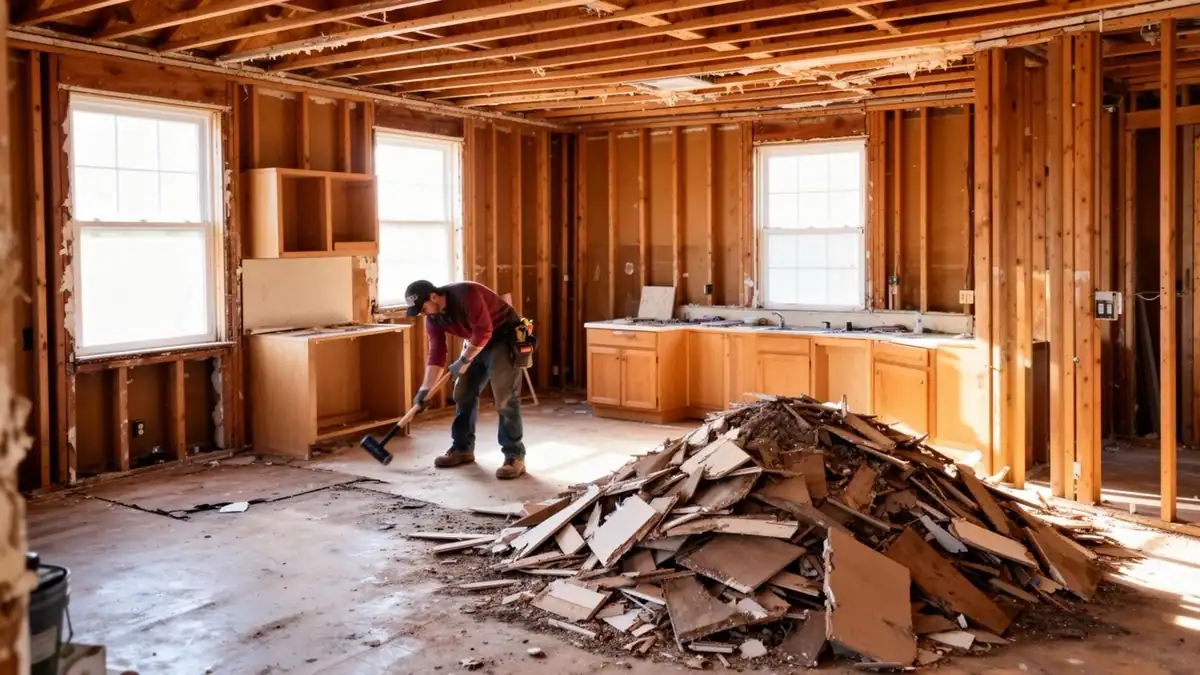
Gutting a House After Water Damage in Florida
Flooded and storm-damaged houses need a specific kind of gut-out, fast. What comes out, how far up the wall, and why the clock matters in Florida's climate.
Gutting a Duplex or Small Multifamily Property
Two to twelve units changes the gut-out: shared walls, occupied units, stacked plumbing, and one meter bank. How investors plan a small multifamily strip-out.