
How to Sell Used Switchgear
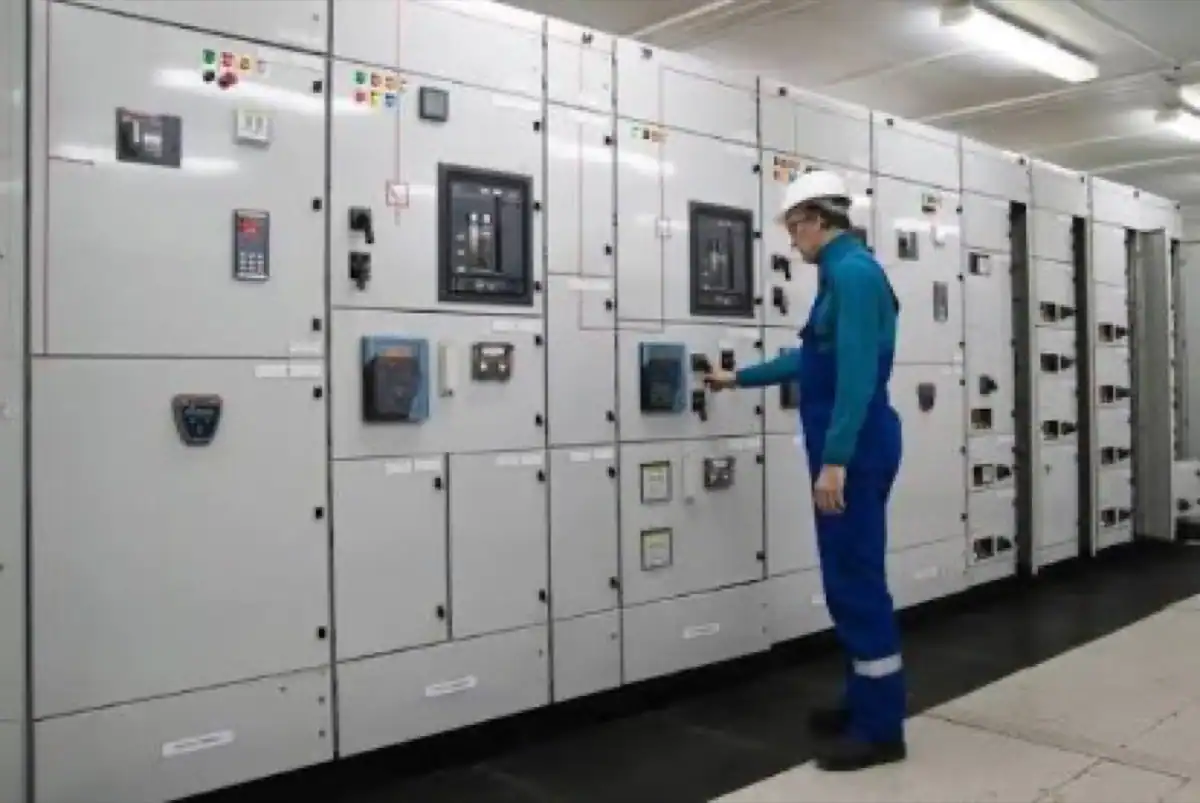
Electrical distribution gear is one of the highest-value asset classes in a shutting-down plant, and one of the most commonly scrapped by mistake. A lineup of switchgear, motor control centers, and breakers holds a lot of copper — but the copper value is often the smallest part of what the equipment is actually worth. Individual breakers, especially draw-out power breakers, can carry more resale value than the entire copper content of the lineup they came from. Knowing what a buyer pays for keeps that value out of the scrap yard.
We buy switchgear and MCCs directly as part of our full-plant work; the sell hub lists every category. Here is how a seller gets the most.
What a buyer is really paying for
Switchgear value lives in components, not the cabinet.
Breakers. This is where the money concentrates. Draw-out air and vacuum power breakers, molded-case breakers, and their trip units are the resale prize. A single reusable power breaker in a common frame size can be worth more than a rack of scrap steel enclosures. Manufacturers matter here — Square D, Eaton/Cutler-Hammer, ABB, GE, and Siemens gear is easiest to resell because parts and reputations are known.
Bus and copper. The bus bars carry real copper content. If the gear does not resell whole, the copper bus is the scrap floor — and copper is worth several times aluminum per pound, so the bus material matters.
MCC buckets. Motor control center buckets with good starters, contactors, and overloads sell individually. A full MCC lineup with intact buckets sells far better than an empty structure.
Ratings and configuration. Voltage class, amperage, and short-circuit (bracing) rating decide who can reuse the lineup. Common commercial classes (480V, 208V) have the broadest demand.
Document it before you disconnect
Documentation swings switchgear offers more than almost any other category, because a buyer cannot value what they cannot identify.
- Nameplate and section photos — manufacturer, voltage, main bus amperage, and short-circuit rating.
- Breaker inventory — type, frame size, and trip rating for every breaker in the lineup. Draw-out breakers get photographed individually.
- MCC bucket list — starter sizes and what each bucket controlled.
- Service history — any recent testing, maintenance, or infrared scan reports.
A lineup with a complete breaker inventory sells fast and high. An undocumented lineup gets priced conservatively because the buyer is guessing. The paperwork is worth real money — the same principle we cover in how to sell a used transformer.
What it is worth
Switchgear lands in three tiers:
- Resale tier — a reusable lineup or, more often, a set of reusable breakers and MCC buckets from a known manufacturer in a common voltage class. These bring a resale premium well above the copper content.
- Component tier — the structure is dated but individual breakers, trip units, and buckets are reusable. You sell the valuable parts and scrap the rest.
- Scrap tier — obsolete, damaged, or oddball-voltage gear with no reusable components. Priced on copper and steel content, with the copper bus doing most of the work.
Most real lineups are a mix — some breakers resell, some are scrap, the enclosures are steel. A direct buyer sorts that out and pays resale on the good parts instead of scrapping the whole lot.
Removal: de-energized, always
Switchgear removal is a life-safety operation first and a logistics job second.
- Utility disconnect and lockout. Coordinate the service disconnect with the utility. Every section is verified de-energized before anyone touches it. Nobody cuts into energized gear, ever.
- Section-by-section disassembly. Modern switchgear bolts together in shipping splits. Clean disassembly at the splits preserves the lineup for reuse; torching it apart destroys resale value.
- Weight and access. A medium-voltage lineup section can weigh several thousand pounds. Confirm door widths, dock height, and forklift or crane access.
- Copper recovery on scrap sections. Bus and wiring from non-resale sections is bundled for copper recovery rather than tossed.
Compare offers on a removal-included basis so the rigging cost is inside the number, not sprung on you afterward.
When switchgear comes out during a plant closure
Switchgear is rarely sold alone — it usually comes down as part of a larger facility shutdown alongside chillers, transformers, and process equipment. Selling it as part of the whole decommissioning bundle is how you offset the cost of the project. Our plant cleanup service folds the electrical recovery into the overall scope, and pairing equipment recovery with the industrial demolition work is what turns a demolition bill into a much smaller net number. And because switchgear so often sits right next to the transformers, we usually buy both in the same visit through our transformer program.
Get a real number
Based in Auburndale and buying statewide across Florida, we quote from nameplate photos and a breaker inventory, and we handle the de-energized removal and haul-off. Send the lineup photos and breaker list to (689) 323-4676 or start through the sell hub, and we will come back with a firm, removal-included figure.
Switchgear is one of the most valuable and most commonly under-sold assets in a closing plant. Document the breakers, keep it out of the scrap lineup, and take it to a buyer who pays for the components — the difference is usually measured in tens of thousands of dollars.
Got equipment to sell?
Cash offers in 24–48 hours. Nationwide pickup. Any condition.
Get a Cash OfferMore in Selling Equipment
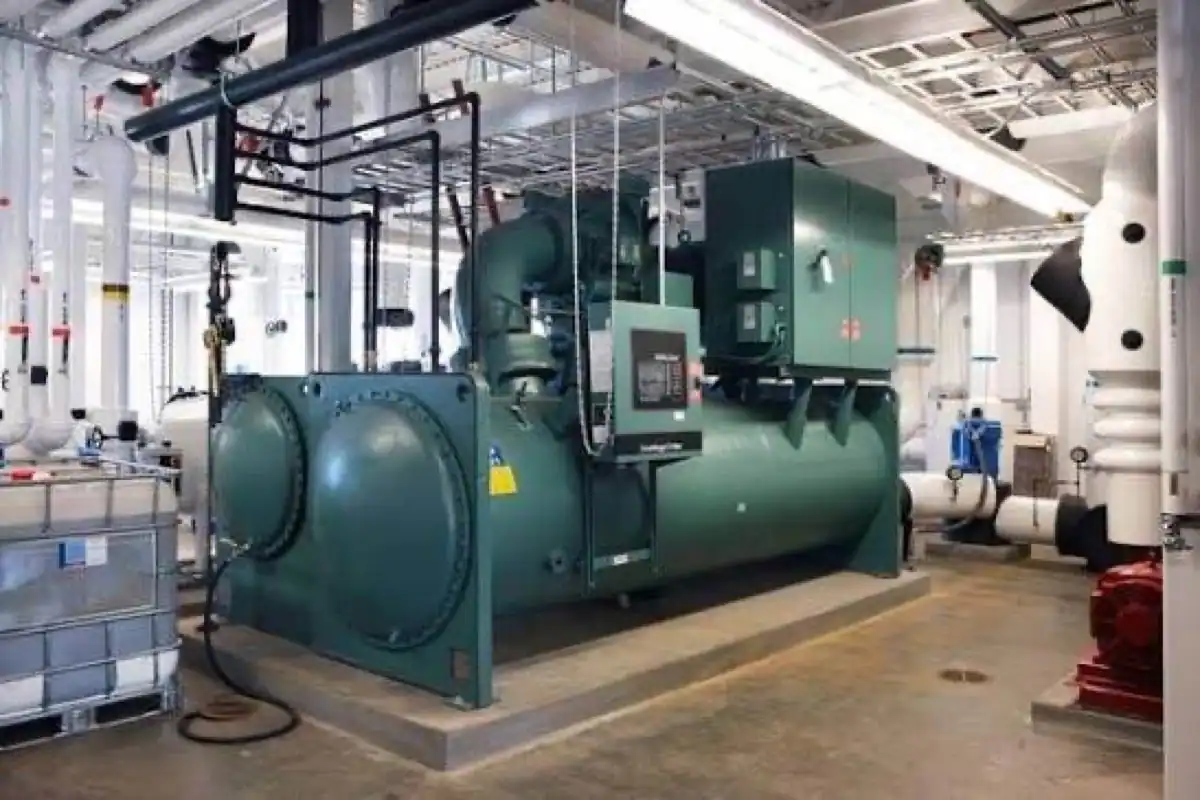
Selling a Chiller Plant: Whole or Piece by Piece?
A complete central plant sometimes sells better as a system than as components. Here is how to tell which case you are in.
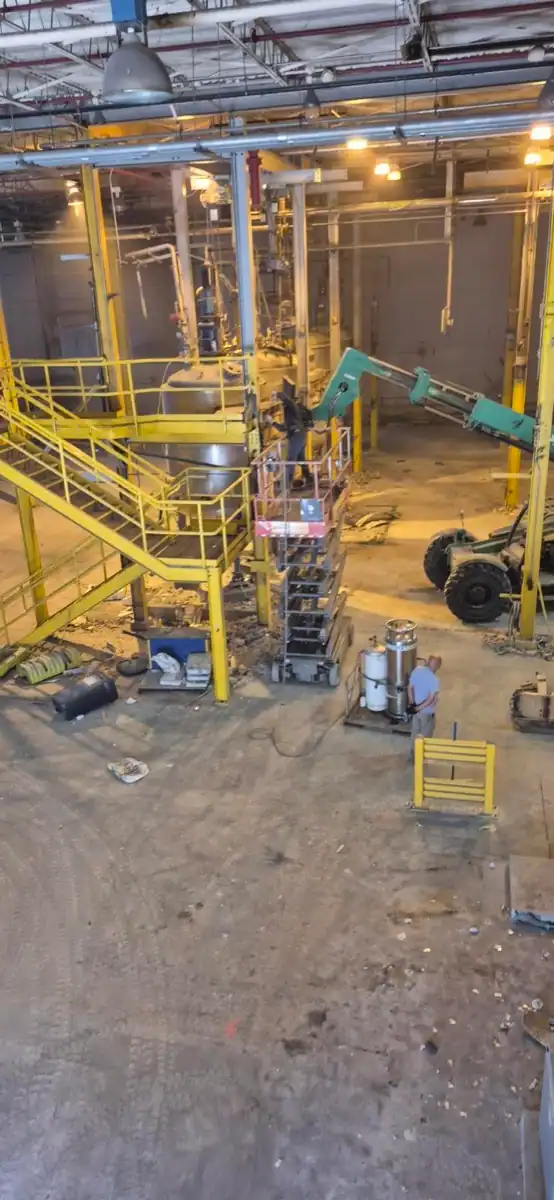
Why Removal Access Changes What Your Equipment Is Worth
A buyer prices the equipment and the extraction together. What you can do about access, and what it is worth.
What Actually Determines Used Equipment Resale Value
Age matters less than most sellers assume. Condition, documentation, removal difficulty and market depth matter more.