
Transformer Oil Testing Before You Buy a Used Transformer
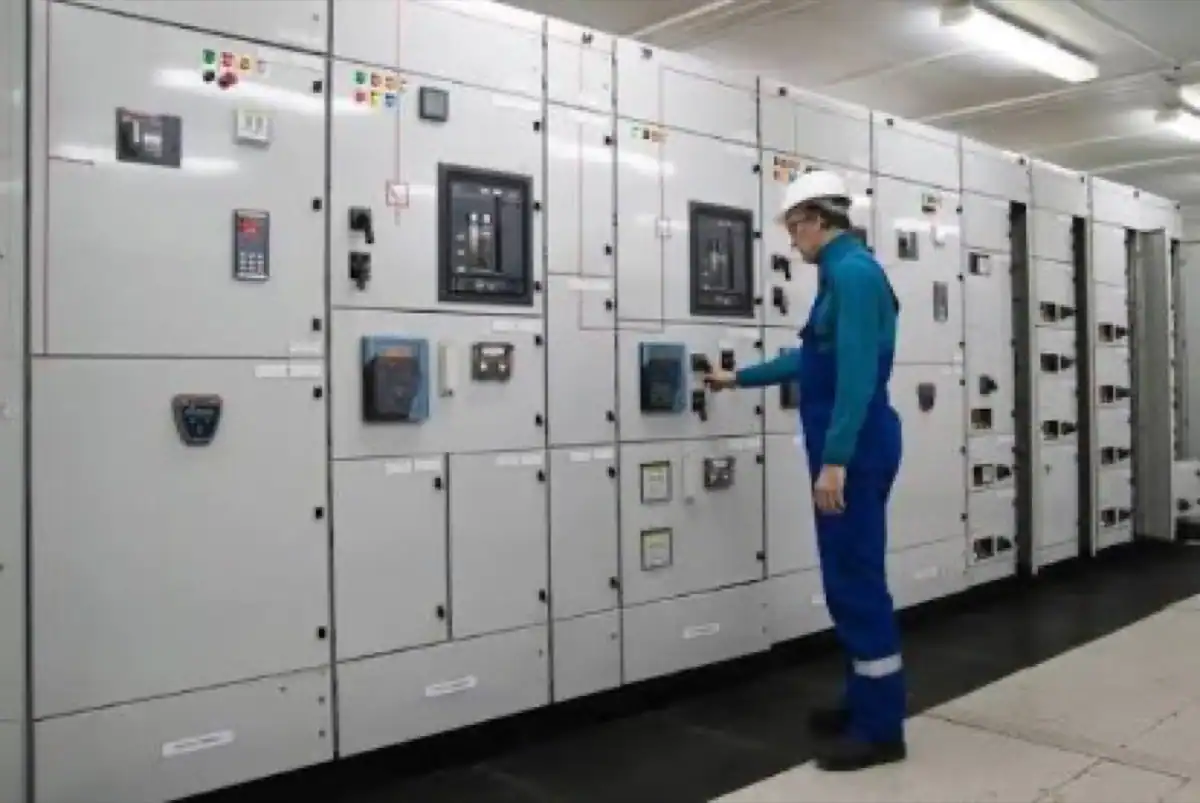
An oil-filled transformer is a sealed tank. You cannot see the windings, the core, or the insulation, and a unit that looks fine from the outside can be a few months from failure inside. The oil is the diagnostic. A small sample, properly tested, tells a buyer what has been happening inside the tank for years. No used oil-filled transformer should be purchased without it.
What a basic oil screen covers
A standard oil screen from a transformer oil laboratory reports several properties.
Dielectric breakdown strength. How much voltage the oil withstands before it arcs. Low dielectric strength means the oil is contaminated with water or particles and the insulation system is compromised.
Moisture content. Water in the oil comes from leaks, breathing, or insulation breakdown. High moisture is a warning and it also drives the dielectric number down.
Acidity. Oil oxidizes over time and the acids attack the paper insulation on the windings. High acidity means aged oil and possibly aged insulation.
Interfacial tension. Another oxidation indicator. It falls as the oil degrades.
Color and visual. A dark oil is an old or overheated oil.
A transformer with good numbers across this screen has been operating within its limits and its insulation system is likely sound. Poor numbers mean the oil needs processing or replacement at minimum, and possibly that the transformer itself is nearing the end.
Dissolved gas analysis
Dissolved gas analysis, or DGA, is the more powerful test. Faults inside a transformer generate specific gases that dissolve in the oil: hydrogen, methane, ethane, ethylene, acetylene, and carbon oxides. The pattern and concentration of those gases points to what has been happening. Acetylene indicates arcing. Ethylene indicates severe overheating. Carbon monoxide and dioxide indicate paper insulation degradation.
A DGA on a used transformer is the difference between buying a machine and buying a guess. It is inexpensive relative to the transformer and it should be a condition of any serious purchase. If the seller has historical DGA results, those are even more valuable because trends matter more than a single reading.
PCB screening
Transformers manufactured before the 1980s may contain polychlorinated biphenyls in the oil, either because the unit was originally filled with a PCB fluid or because it was topped off or contaminated during service. PCBs are regulated, and a transformer above the regulatory thresholds cannot simply be sold, moved, or disposed of like a clean unit.
Every used oil-filled transformer of uncertain history should be screened for PCBs before purchase. A unit that tests clean is a normal transaction. A unit that does not is a regulated item, and the buyer should not be the one finding that out after the money has changed hands. We test as part of every transformer we buy, and the topic comes up in oil-filled vs dry-type used transformers.
Reading the results together
No single number decides. A transformer with slightly elevated moisture but clean DGA is a unit that needs its oil processed. A transformer with good oil properties but acetylene in the DGA has an arcing fault and should be walked away from regardless of how it looks. A buyer who is not comfortable interpreting a lab report should have someone who is, or should buy from a seller who tests and stands behind the results.
What else to check
The oil is the most important item, not the only one. Turns ratio and winding resistance tests confirm the windings are intact. Insulation resistance confirms the system is dry. The nameplate, the tap changer position, the bushings, the gaskets, and the tank condition round out the inspection. The full walk-through is in buying used transformers: a practical guide.
Frequently Asked Questions
How much oil is needed for testing?
A small sample drawn from the sampling valve is enough for a screen and DGA. It does not affect the transformer.
Can bad oil be fixed?
Often. Oil can be processed to remove moisture and particles, or replaced. What cannot be fixed is winding or insulation damage that the DGA reveals.
Is PCB testing required by law before a sale?
The rules govern handling, use, and disposal of PCB-containing equipment, and the practical effect is that a buyer needs to know the status. Test before buying.
Do you test the transformers you sell?
Yes. Oil screening, DGA, and PCB testing are part of our appraisal, and results are available on units listed at used transformers for sale.
Demo Dynasty buys and sells used transformers and switchgear from Auburndale, FL. Call (689) 323-4676 or contact us about a specific unit.
Looking for used equipment?
We move chillers, boilers, generators, and cooling towers across Florida and nationwide. Tell us what you need.
Ask About Available UnitsMore in Buying Guides
Buying Used Machine Tools From a Plant Closure
Machine tools from a closing facility can be the best value in industrial equipment, provided you evaluate wear, controls and what it takes to move.
Inspecting a Used Industrial Boiler Before You Buy
Pressure vessel condition, jurisdiction paperwork and burner package all decide whether a used boiler is a bargain or an ornament.
Load Testing a Used Generator Before You Buy
Hours mean little without a load test. What to test, what to look for, and what a generator's history tells you.