
The Documents Buyers Want When You Sell Used Equipment
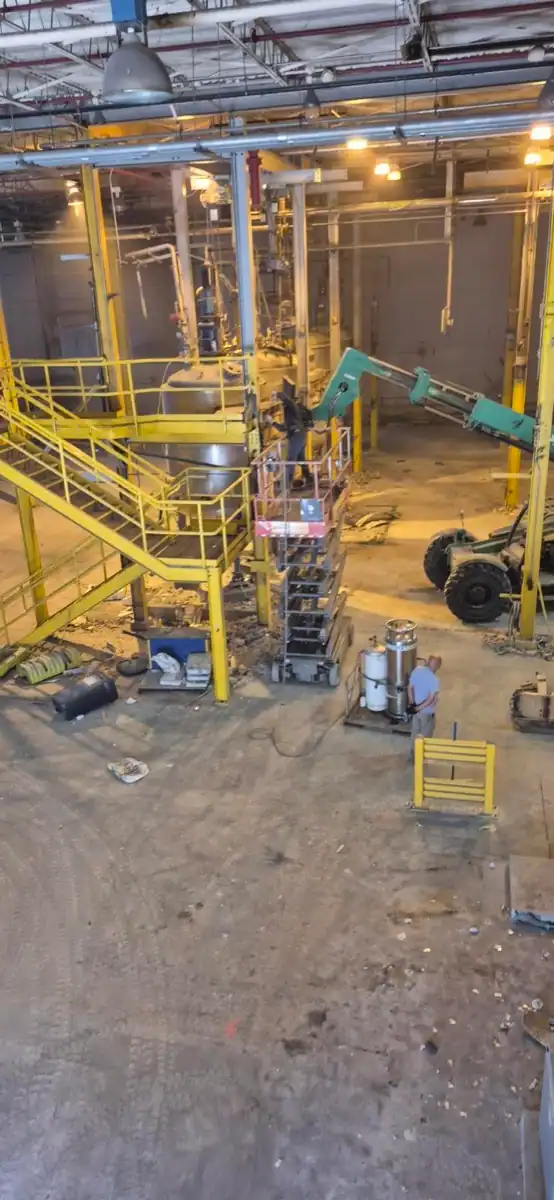
A buyer pricing used industrial equipment is pricing uncertainty. The less the buyer knows about a machine, the more conservative the offer has to be, because the buyer is covering the risk that something is wrong. Documentation removes uncertainty, and it is the cheapest thing a seller can do to improve the number. Here is what to gather.
Nameplate data
Every piece of equipment has a nameplate, and a clear photograph of it is the first thing a buyer asks for. Manufacturer, model, serial number, capacity or rating, voltage, refrigerant, pressure rating, and year of manufacture are all on it. A buyer can identify the machine, check the market, and often find the manufacturer's documentation from the nameplate alone. If the nameplate is painted over or corroded, clean it and photograph it anyway.
Service and maintenance records
Maintenance logs, service contractor invoices, and work orders tell a buyer how the machine was treated. A chiller with annual service records and documented eddy current tests is a known quantity. A generator with oil analysis reports and load bank test records is a known quantity. A compressor with a log of oil changes and separator replacements is a known quantity. Find whatever exists, even if it is incomplete.
Inspection and test reports
Pressure vessels such as boilers and receivers have inspection certificates, and a current one is worth real money because the buyer can get the vessel certified at its destination. Transformers may have oil test results and dissolved gas analysis, which a buyer would otherwise have to commission before making a firm offer. Switchgear may have infrared survey or maintenance test reports. Chillers may have refrigerant leak test and performance records. Any test that was done recently and passed is evidence in the seller's favor. The transformer case is in transformer oil testing before you buy a used transformer.
Operating history
When was the machine installed, when was it last run, and why is it being sold? A chiller that ran until the day the plant closed is a different proposition from one that was replaced because it was failing. A generator that was in standby service with monthly exercise is different from one that was a prime-power unit. Hours, run history, and the reason for sale all affect the offer, and a seller who can answer those questions gets a better one.
Drawings and manuals
The manufacturer's installation and operating manual, the electrical schematics, and any drawings showing the equipment in the building all help. The manual and schematics go with the machine and make it more usable for the buyer. The building drawings help the buyer plan the removal, which affects the offer directly.
Removal information
Photographs of the equipment in place, the route to the nearest door or opening, the door dimensions, the floor the equipment is on, and any obstructions. Whether a crane can reach the location. Whether the building is being demolished, which changes the removal completely. A buyer who can plan the extraction from your photographs prices it accurately. A buyer who has to guess prices it high, and that comes out of your offer. The full logic is in why removal access changes what your equipment is worth.
Proof of ownership
Buyers need to know the seller has the right to sell. For a business selling its own equipment, that is normally straightforward. Where the equipment is subject to a lease, a loan, or a lien, or where the building is in foreclosure or bankruptcy, the buyer will want the release or the authority documented before paying. Sort this out early; it is the item most likely to delay a closing.
Refrigerant and hazardous material records
For refrigerant-bearing equipment, the type and quantity of the charge and any recovery records. For transformers, the PCB status. For anything with fuel or oil, what is in it. A buyer has to handle these correctly and needs to know what is there.
Frequently Asked Questions
What if I have no records at all?
Send the nameplate and photographs anyway. Equipment sells without records; it just sells for less because the buyer carries more risk.
Does documentation really change the offer?
Yes. It is the most reliable lever a seller has. It costs nothing and it directly reduces what the buyer has to assume.
Should I have the equipment tested before selling?
If a recent test exists, provide it. If not, most buyers, including us, will test as part of the appraisal rather than asking the seller to pay for it.
What do you need to make an offer?
Nameplate photographs, general photographs, whatever records exist, and a description of the removal route. We buy used industrial equipment nationwide and respond with a cash offer.
Demo Dynasty buys used chillers, boilers, generators, transformers, switchgear, cooling towers, and air compressors from Auburndale, FL. Call (689) 323-4676 or get a cash offer.
Got equipment to sell?
Cash offers in 24–48 hours. Nationwide pickup. Any condition.
Get a Cash OfferMore in Selling Equipment
Selling a Chiller Plant: Whole or Piece by Piece?
A complete central plant sometimes sells better as a system than as components. Here is how to tell which case you are in.
Why Removal Access Changes What Your Equipment Is Worth
A buyer prices the equipment and the extraction together. What you can do about access, and what it is worth.
What Actually Determines Used Equipment Resale Value
Age matters less than most sellers assume. Condition, documentation, removal difficulty and market depth matter more.