
Tenant Improvement Demolition: Scope, Cost, and Landlord Obligations
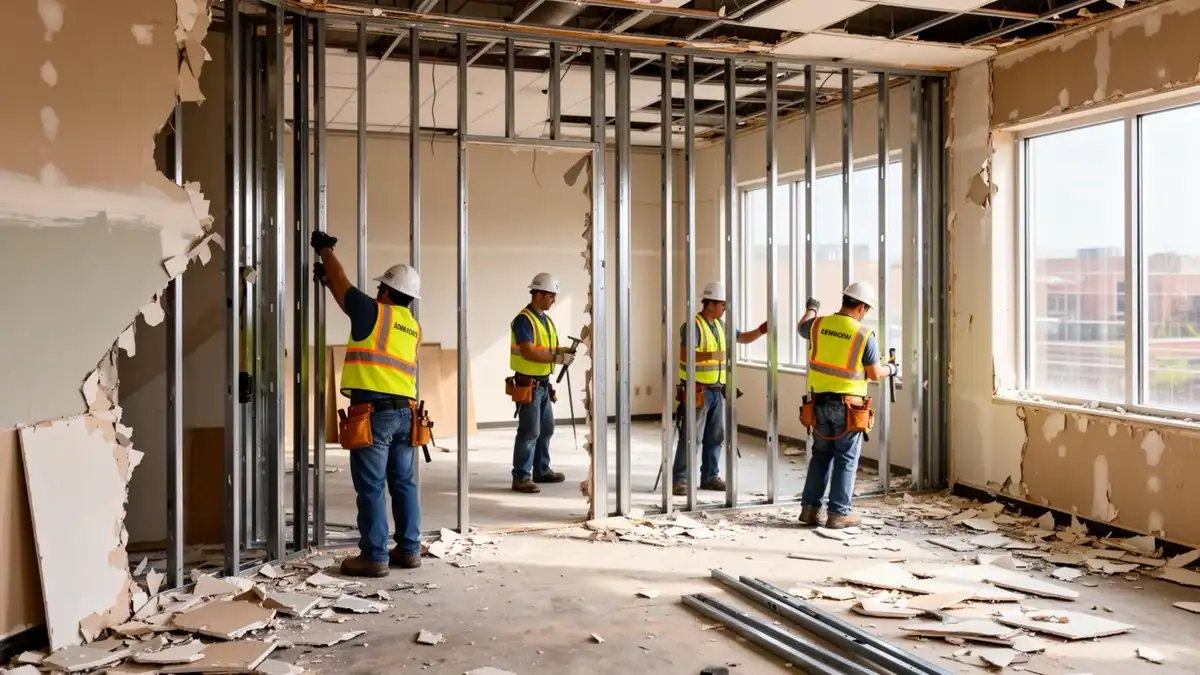
Every lease turn has a demolition phase, and it is almost always the phase that determines whether the space is ready when the new tenant expects keys. Get it scoped right and a strip-out is a predictable two-week exercise. Get it wrong and you are explaining to an incoming tenant why their build-out has not started.
What a TI strip-out usually includes
Back-to-shell demolition typically covers:
- Non-load-bearing partition walls and framing
- Ceiling grid, tile, and above-ceiling wiring left by the last tenant
- Flooring — carpet, VCT, tile, and the adhesive under it
- Casework, millwork, reception counters, and built-ins
- Plumbing fixtures and branch lines back to the main
- Electrical devices, lighting, and abandoned conduit
- HVAC ductwork and diffusers, sometimes the units themselves
- Data cabling — often required to be removed by code
- Doors, frames, storefront, and interior glazing
- Specialty items: vaults, coolers, lab benches, kitchen hoods, dental and medical equipment
What stays is the shell: structure, slab, exterior walls, roof, and typically the main utility services to a defined point.
The cost drivers that matter
Density of build-out. An open office plan strips fast. A space chopped into thirty private offices, or a medical suite with plumbing at every room, has vastly more linear feet of wall, more devices, and more separate connections per square foot.
What the previous use was. Restaurant space is the most expensive strip-out in commercial real estate — grease-laden hoods, ductwork, walk-in coolers, grease traps, and floor systems that have absorbed twenty years of service. Medical and dental add regulated fixtures and sometimes lead-lined walls. Labs add fume hoods and specialty piping. Ordinary office is the cheap case.
Occupied building constraints. This is the big multiplier people underestimate. If the building has operating tenants, you get restricted hours, elevator scheduling, protected corridors, noise limits, and dust control. Night and weekend work carries a labor premium and, because crews cannot make noise during business hours, the schedule stretches. A strip-out that would take five days in an empty building can take three weeks in an occupied one.
Debris path. Freight elevator availability, loading dock scheduling, and where a container can sit. On an upper-floor suite in a busy building, the debris path is the actual constraint on crew size.
Hazardous materials. Older buildings mean floor tile and mastic, pipe insulation, and ceiling texture — all requiring a survey before disturbance.
Who pays: read the restoration clause
Most commercial leases include a restoration or surrender clause, and its exact wording decides who funds this work. Common variants:
- Remove all alterations and restore to original condition — the tenant pays to undo their own build-out, sometimes including items the landlord approved years ago.
- Remove only specified alterations — the landlord identified at approval time what would have to come out.
- Surrender in as-is condition — the tenant leaves everything; the landlord funds any strip-out.
- Broom clean — undefined in practice, and the source of most disputes.
For landlords: get the removal obligations spelled out at the time you approve the alterations, not at the end of the term. For tenants: negotiate this at lease signing, because a broad restoration clause on a heavily built-out space can be a six-figure exit cost you never accrued for.
Either way, walk the space together and agree in writing on the end state before anyone mobilizes.
Timeline for a lease turn
For a typical office suite: 1 to 2 weeks of strip-out in a vacant building, 2 to 4 weeks in an occupied one with restricted hours. Restaurant and medical spaces run longer. Add permit time — most jurisdictions require a permit for interior demolition even when nothing structural is touched.
The way to compress it is to start the permit and the survey while the outgoing tenant is still winding down, so the crew mobilizes the day after the keys come back.
Salvage worth capturing
Do not let a strip-out crew throw away the valuable items. Depending on the space: rooftop units and chillers, walk-in coolers and refrigeration, generators and transfer switches, switchgear and panels, commercial kitchen equipment, and copper in the abandoned wiring. On a restaurant or medical turn, that recovery can meaningfully offset the strip-out cost.
How to buy it
Fixed price on a written scope with the end state defined, debris disposal included, and the working-hours constraint stated explicitly — because an "after hours only" job priced as daytime work will come back as a change order.
We handle tenant improvement demolition and strip-outs across Florida, including occupied-building work on night and weekend schedules, plus debris removal and equipment recovery. See interior demolition.
Call (689) 323-4676 or request a quote.
Fix-and-flip or rehab portfolio?
House gut-outs in 2–5 days. Volume pricing for repeat investors.
Get an Investor QuoteMore in Investor Guides
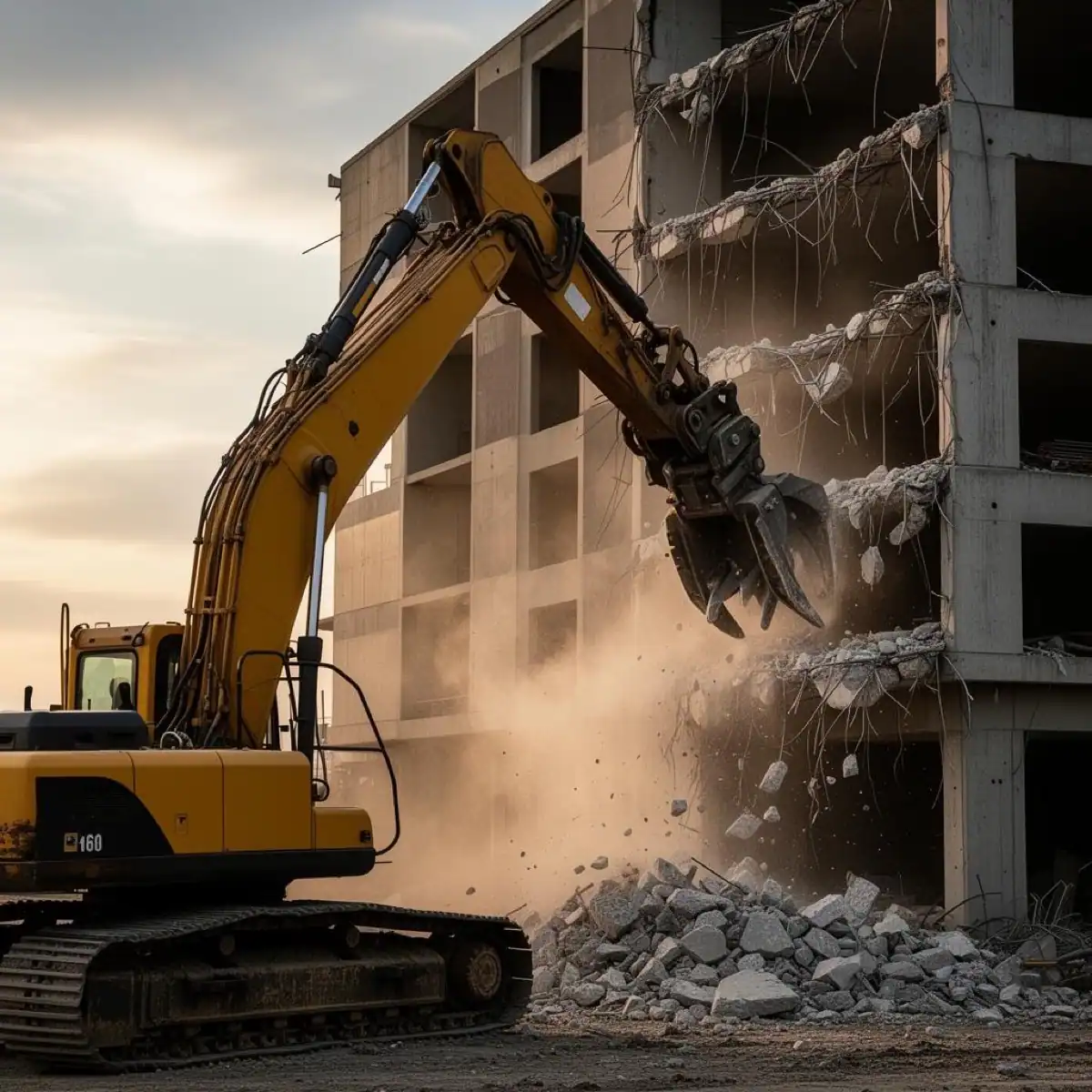
What It Costs to Get an Industrial Parcel Development-Ready
Between buying a closed plant and putting something new on it sits a set of costs that are predictable if you ask for them.
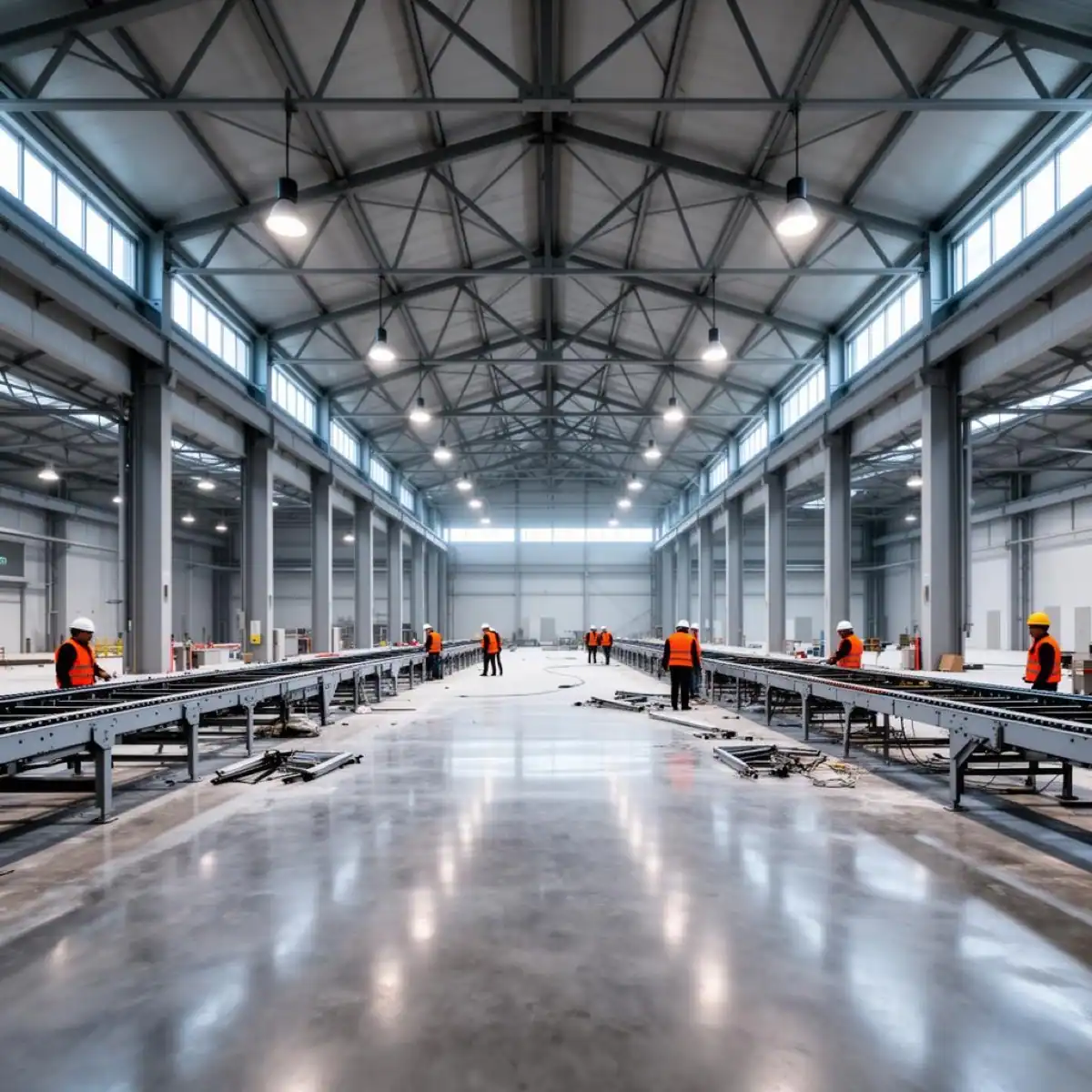
Buying a Closed Industrial Plant: What to Check First
Closed plants trade at a discount for reasons. Environmental status, structure, equipment and demolition cost decide whether the discount is real.
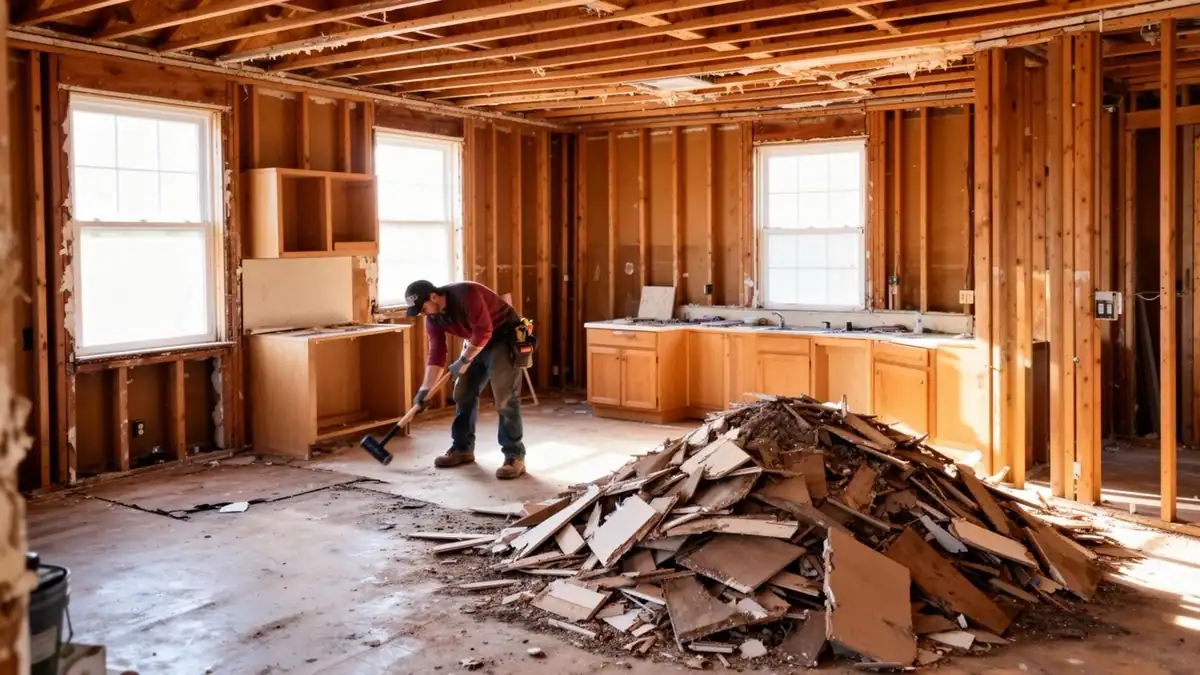
Gutting a House After Water Damage in Florida
Flooded and storm-damaged houses need a specific kind of gut-out, fast. What comes out, how far up the wall, and why the clock matters in Florida's climate.