
Decommissioning a Clean Room
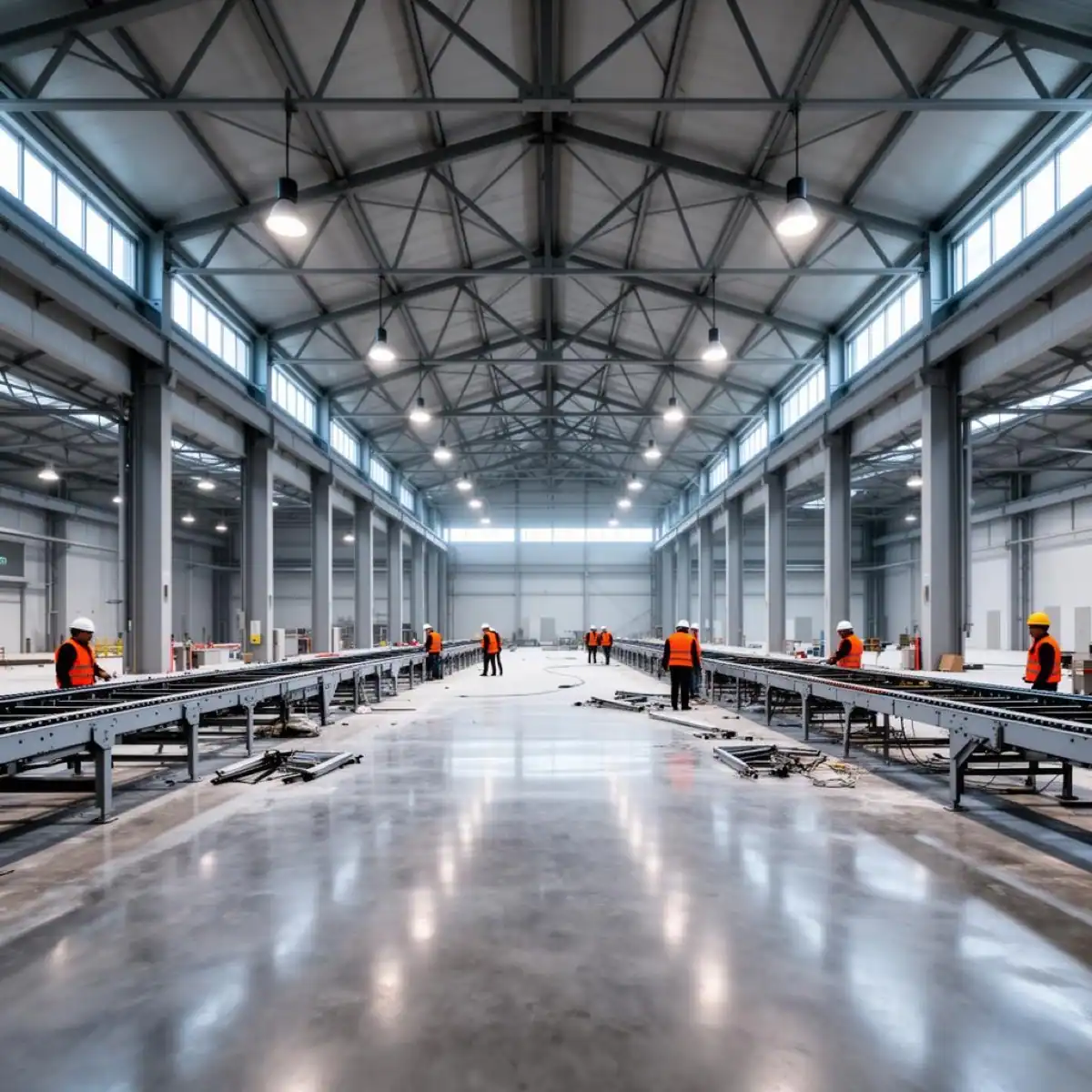
Clean rooms show up in aerospace, electronics, medical device and pharmaceutical facilities across our service area — the Space Coast in particular, but also Orlando, Tampa and the research corridor around Gainesville. When a programme ends or an operation consolidates, the clean room has to come out.
It is not difficult work, but doing it in the wrong order destroys value and creates problems.
What is actually in a clean room
More than the visible enclosure:
- Air handling units, frequently oversized and high quality.
- HEPA and ULPA filtration, in fan filter units or ducted arrays.
- Pressurisation and control systems.
- Wall and ceiling panel systems, usually proprietary.
- Raised or specialty flooring.
- Process gas distribution — nitrogen, argon, compressed dry air, sometimes more hazardous species.
- Deionised water systems.
- Process vacuum and exhaust.
- Lighting integrated into the ceiling grid.
- Controls, monitoring and validation instrumentation.
The mechanical and electrical infrastructure supporting all of that is frequently substantial and located outside the room itself.
The order matters
Clear the process first. Any chemicals, gases, and process equipment come out with proper handling and documentation. Specialty gas cylinders and distribution systems need purging by qualified people before lines are cut.
Decontaminate if required. Depending on what ran in the room, surfaces may need cleaning and verification before general demolition crews work in it. This is determined by the operator, not assumed by the contractor.
Air handling and filtration. This is where the value is. Air handlers, fan filter units and controls come out intact and carefully, because they resell well. Filters themselves are generally consumable and disposed of according to what they captured.
Utilities and gas distribution. Purged, isolated, then removed.
Ceiling grid and lighting. Comes apart in reverse of installation.
Wall panels. Proprietary systems that unclip or unbolt. Panels in good condition have a resale market for reuse, which is worth checking before treating them as debris.
Flooring. Raised access floor systems have resale value; sealed flooring does not.
Supporting infrastructure. Chillers, process cooling, compressed air, electrical distribution.
Where the money is
Owners consistently underestimate the air handling. Clean room air handlers are large, high specification, and generally well maintained because the room's performance depended on them. The same is true of process chillers, compressors and dryers serving the room.
Fan filter units, controls, and monitoring instrumentation also have markets. Wall panel systems sometimes do, depending on the manufacturer and condition.
What has little value: consumed filters, sealed flooring, ductwork that has to be cut to remove, and anything cut apart rather than disassembled.
That last point is the recurring theme. The difference between disassembly and demolition on clean room equipment is the difference between an equipment price and a scrap price.
Documentation is worth gathering
Validation records, as-built drawings, equipment schedules and maintenance history all increase what the equipment is worth, because a buyer paying real money for an air handler wants to know its history.
On facilities being closed, that documentation frequently disappears with the staff. Collecting it before the site is emptied is one of the highest-return things an owner can do.
Timeline
Clean room decommissioning is not slow work once it starts. What takes time is the front end — clearing process materials, purging gas systems, and any decontamination and verification the operator requires.
Those steps belong to qualified specialists and to the facility's own people, and they should be scheduled before a demolition contractor is on site rather than concurrently.
Our approach
We inventory and appraise before quoting, remove the recoverable equipment by disassembly rather than demolition, and handle the structure afterward. On a well-equipped clean room facility the recovery credit is frequently the dominant number in the whole project.
Decommissioning a facility?
Full plant cleanup — equipment recovery, hazmat-aware, turnkey scopes.
Get a Plant Cleanup QuoteMore in Plant Cleanup
Utility Isolation and Lockout During a Plant Decommissioning
Every energy source in a facility has to be identified, isolated and verified before removal work starts. This is the plan that prevents the serious incidents.
What to Do With Process Piping
Miles of pipe in an industrial facility is either a disposal cost or a recovery, depending on what ran through it and how it comes out.
Closing Out a Plating Line or Process Tank System
Process tanks, plating lines and waste treatment systems have to be emptied, cleaned and documented before anything structural happens. The order is not negotiable.