
Scheduling Demolition During Florida Hurricane Season
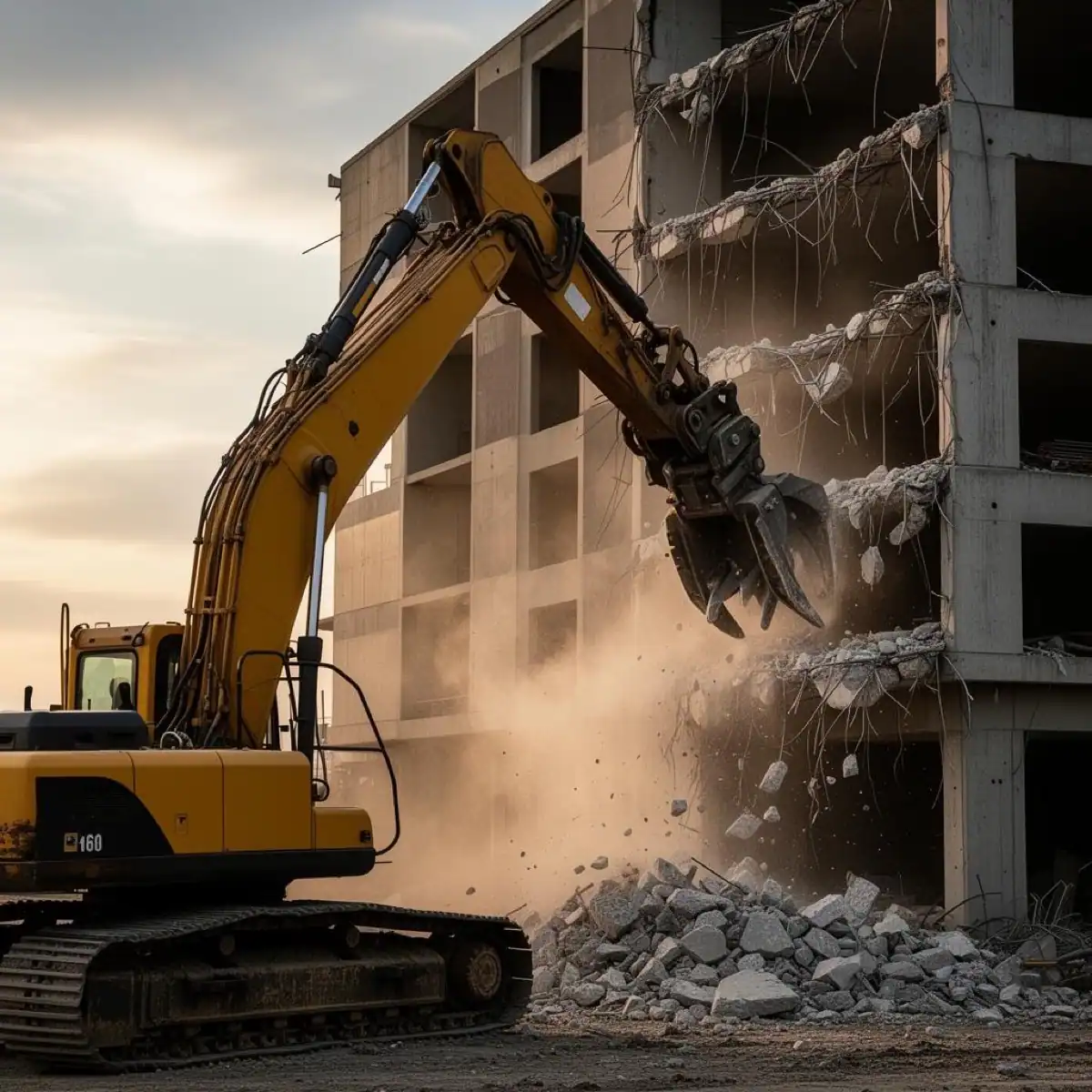
Hurricane season runs June 1 through November 30, which covers half of every year a Florida demolition contractor works. Jobs do not stop for six months. They are just planned differently, and owners who understand the differences avoid the two things that go wrong: a site that is unsafe when a storm arrives, and a schedule that assumed weather would cooperate.
A partially demolished building is the worst-case structure
A finished building sheds wind. A demolished building is gone. A building halfway between the two, with its skin stripped, openings cut, and loose material stacked inside, is the most vulnerable thing on the street when a named storm approaches. Roof sections that have been cut free become projectiles. Debris piles become airborne.
Sequencing on a hurricane-season job is planned so that the structure is never left in a state that cannot be secured in the time a forecast gives. On smaller buildings that often means taking the whole structure down in one push rather than working it in stages. On larger ones it means working in sections that can each be fully dropped and loaded before moving on.
What happens when a storm is forecast
When a storm enters the forecast cone for the site, the job shifts into securing mode.
Loose debris is loaded and hauled or consolidated and covered. Piles that cannot be removed are compacted and weighted. Dumpsters are emptied or removed. Fencing is checked and braced. Any equipment that will not leave the site is parked away from structures and anything that could fall. Fuel and fluids are secured. Temporary utilities are disconnected.
Then the crew leaves, and the site stays vacant until the storm passes and it is safe to return. A storm that turns away still costs a day or two of production. That is a cost of working in this state, and an experienced contractor's schedule accounts for it.
Debris after a storm is a different job
If a storm does hit, the site is reassessed before work resumes. Water in excavations, downed lines, displaced material, and damage to neighboring properties all change the plan. Post-storm cleanup on a demolition site is handled as debris removal in its own right and is separate from the original scope.
This also cuts the other way. After a major storm, demolition and debris crews across the region are stretched, disposal facilities run long lines, and a project that was due to start may wait. Storm-damaged industrial facilities that need cleanup are covered in hurricane damage industrial cleanup in Florida.
Permits and the calendar
Permit offices do not slow down in hurricane season, but the front-end work that feeds a permit does interact with the weather. Asbestos surveys, utility disconnects, and site walks all happen outdoors or depend on crews that get pulled to storm response. Starting the paperwork early in the year for a summer or fall demolition avoids waiting on a survey during the busiest weeks.
The dry season is not the only good season
There is a common assumption that the winter dry season is the right time to demolish and the summer is to be avoided. In practice, summer rain is a daily inconvenience rather than a project risk, and hurricane-season jobs go fine when they are sequenced with the forecast in mind. What matters more is having a contractor who has a securing plan written before the job starts and who will actually stop and execute it when a storm is on the map.
Frequently Asked Questions
Will a demolition contractor work in hurricane season?
Yes. Most Florida demolition happens during it. The difference is in how the site is sequenced and what the plan is when a storm is forecast.
What does securing a site involve?
Removing or consolidating and covering debris, emptying dumpsters, bracing fencing, parking equipment away from structures, disconnecting temporary utilities, and leaving the site until the storm passes.
Who pays for the delay?
A weather delay is normally a schedule extension, not a change in price, if the contract addresses it. Confirm how weather days are handled before signing.
Is a partially demolished building insured during a storm?
That is a question for the owner's carrier. Many builder's risk and property policies have specific language about buildings under demolition, and it is worth reading before the season starts.
Demo Dynasty is based in Auburndale, FL, in the middle of the state, and works demolition and plant cleanup statewide through every season. Call (689) 323-4676 or request a quote.
Need an interior stripped?
Nationwide interior demolition crews. Fast scheduling. Clean hand-offs.
Request a Demo QuoteMore in Demolition
Strip Mall and Retail Center Demolition in Florida
Older retail centers are coming down across Florida for redevelopment. Here is what drives the cost and schedule on a strip mall teardown.
Gas Station Demolition: What Is Actually Involved
A gas station teardown is a tank closure, a canopy removal, and a building demolition rolled into one regulated project. Here is how it sequences.
Hotel and Motel Demolition in Florida
Florida's aging roadside motels and mid-century hotels are prime redevelopment sites. What drives cost and schedule when one comes down.