
Used Chillers for Data Centers
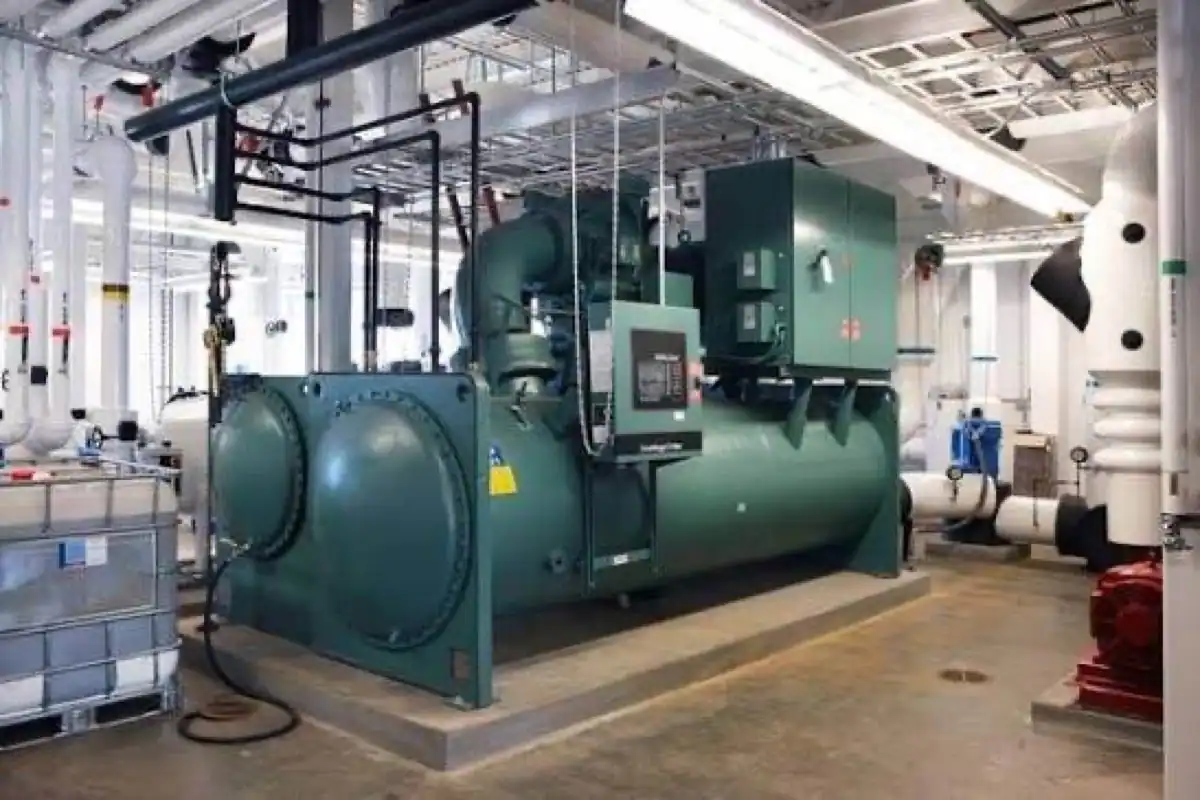
Data center cooling is unforgiving. The load runs 24/7/365, it barely changes with the seasons, and a cooling failure doesn't mean a warm room — it means thermal shutdown, dropped uptime, and angry SLAs. That reputation makes people assume you can't touch used equipment for a data hall. You can. Plenty of well-run facilities use reconditioned chillers. But data centers demand a higher bar than a warehouse, and buying the wrong used unit here is a genuinely bad idea.
We source and resell industrial chillers, and we're straight with buyers about where used equipment fits and where it doesn't. Here's how to buy a used chiller for a data center — or a modular/edge deployment — that earns its place in the plant.
Redundancy is the whole game
The single most important concept for data center cooling is redundancy. A data hall runs on N+1 or 2N cooling — enough capacity that any single chiller can fail and the room stays within spec. This is where used equipment actually becomes an advantage:
- Buy multiple smaller units instead of one big one. Three reconditioned 300-ton chillers give you real N+1 for less than two new 450-ton machines, and a single failure never takes the room down.
- A used unit makes an affordable standby. Even facilities running new primaries often keep a reconditioned chiller as backup capacity. It sits ready and costs a fraction of new.
- Never run a data center on a single chiller, used or new. No redundancy is the actual risk — not the age of the machine.
Because the used market makes redundancy cheap, it can raise your resilience rather than lower it, if you buy right.
Continuous duty changes what you buy
Data center load is flat and constant, which is different from a hotel's swing or a warehouse's daytime peak. That has real buying implications:
- Run history matters more than anything. A unit that ran continuously under a maintenance contract and came out of service documented is worth far more than a low-hour machine that sat idle and seized seals. Ask exactly when it last ran and for how long.
- Compressor choice. Centrifugal chillers suit large, steady base loads and run efficiently at continuous full-ish load; screw chillers cover mid-range and modular deployments well. See buying a used centrifugal chiller.
- Part-load efficiency counts too. Even a data center modulates somewhat as N+1 units share the load. A machine that holds efficiency at part load saves real money over a 24/7 duty cycle.
Most enterprise data halls run into the hundreds or thousands of tons across multiple machines; edge and modular sites may need a single 50-to-150-ton unit. Our how to size a used chiller guide covers sizing.
Controls, integration, and refrigerant
Controls integration is where used units get tricky. A data center runs a BMS or DCIM that expects the chiller to speak a specific protocol — BACnet, Modbus, or a proprietary interface — and to sequence with the other units for staging and failover. Before you buy, confirm the unit's controls are intact and can integrate with your plant. A stripped or orphaned control panel is a deal-killer here in a way it isn't in a warehouse.
Favor current, serviceable refrigerant. R-134a, R-513A, and R-1234ze keep the machine serviceable for years. An R-22 unit on a 24/7 duty cycle is a liability — the refrigerant is phased out and expensive when you need a repair fast. See used chiller refrigerants explained.
Buy serviceable brands. York, Carrier, Trane, McQuay, Daikin, and Johnson Controls give you parts and technicians who know the machine — which matters when a repair clock is running against an SLA.
The Florida factor
Florida is a growing data center market, and the climate shapes the cooling design.
- High ambient and humidity mean water-cooled plants with cooling towers are common for larger loads because they hold efficiency better than air-cooled units in the heat. Match the used unit to your existing plant type.
- Coastal corrosion is real near the coasts — inspect tube bundles and cabinets hard on any coastal-sourced machine and get eddy-current results on older units. Our what to inspect before buying a used chiller guide covers it.
- Hurricane season tightens rigging and freight from June to November. For a facility where downtime is catastrophic, buy and stage redundant capacity well ahead of season.
Buy documented, buy direct
For a data center, documentation isn't a nice-to-have — it's the difference between a reliable standby and an expensive gamble. When we resell a chiller pulled during plant decommissioning, the run history, service records, and removal photos come with it, so your facilities team knows exactly what's going into the plant. That firsthand documentation beats a broker-flipped unit every time when uptime is on the line.
Where used chillers fit the data center budget
The strongest case for used equipment in a data hall is capital efficiency without cutting resilience. New chiller plants for a mid-size facility run well into six or seven figures, and the lead times on new large-tonnage machines can stretch past a year — long enough to stall a buildout or a capacity expansion. Reconditioned units are available now and cost a fraction of new, which lets you spend the savings on redundancy: more units, a dedicated standby, or spare compressors on the shelf. For an expansion where you need to add cooling capacity before the next rack row goes live, a documented used unit closes the gap without blowing the budget or waiting on a manufacturer's queue. The key is discipline — buy documented, integrate the controls properly, and never let the savings tempt you into running without N+1. Done that way, used chillers make a data center's cooling plant both cheaper and more resilient, which is a rare combination.
Bottom line
Used chillers absolutely have a place in data center cooling — as affordable redundancy and as documented, well-maintained primaries in modular and edge sites. The rules are stricter than other applications: never run without N+1, prioritize continuous run history over low hours, confirm the controls integrate with your BMS, and stick to serviceable refrigerants and brands. Done right, the used market lets you build more resilience for less money, which is exactly what a data hall needs.
Run any candidate through our used chiller buying checklist and know the red flags first. When you're ready, tell us your load and controls platform and we'll match you to documented units — or if you're decommissioning a facility, we buy used chillers and switchgear for cash.
Looking for used equipment?
We move chillers, boilers, generators, and cooling towers across Florida and nationwide. Tell us what you need.
Ask About Available UnitsMore in Buying Guides
Buying Used Machine Tools From a Plant Closure
Machine tools from a closing facility can be the best value in industrial equipment, provided you evaluate wear, controls and what it takes to move.
Inspecting a Used Industrial Boiler Before You Buy
Pressure vessel condition, jurisdiction paperwork and burner package all decide whether a used boiler is a bargain or an ornament.
Load Testing a Used Generator Before You Buy
Hours mean little without a load test. What to test, what to look for, and what a generator's history tells you.