
Plant Decommissioning in Florida
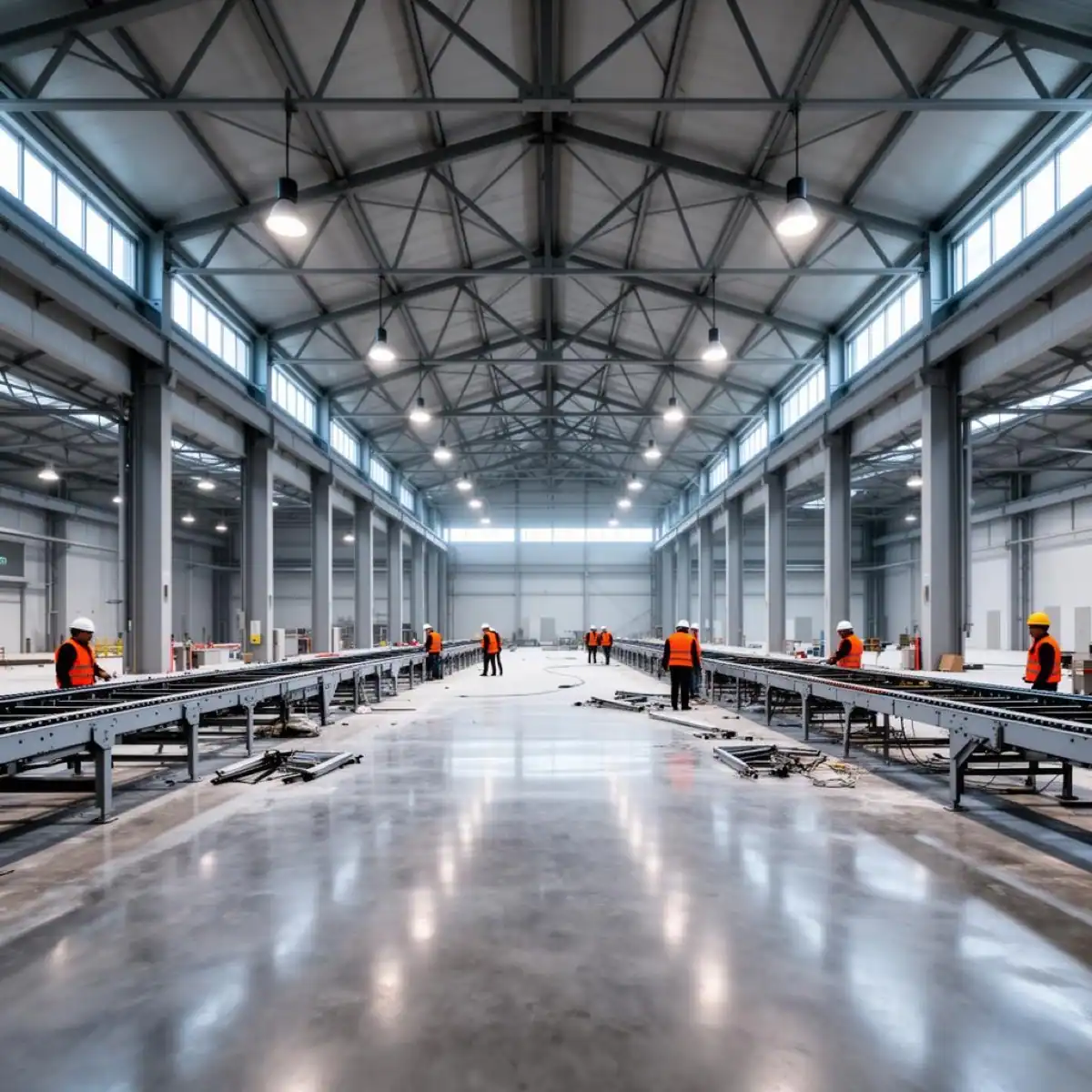
Florida has been retiring industrial capacity for years — phosphate operations in the Bone Valley corridor around Bartow and Mulberry, aging citrus processing and packing houses, older power generation along the coasts, and light manufacturing in the Tampa, Jacksonville, and Orlando corridors. When one of these facilities closes, the owner faces a big decommissioning bill and, usually, a roof full of equipment that's worth more than they think. Run it right and the equipment sales offset a large chunk of the demolition cost.
We handle both sides in Florida — we buy the recoverable equipment and we do the cleanup and demolition. Here's how a plant decommissioning actually sequences.
The sequence, in order
Decommissioning is not "call a demo crew and start swinging." It runs in a specific order, and skipping steps is how sites end up with fines and injuries.
1. Site assessment and inventory. Walk the facility, list every major asset, and flag what's recoverable versus what's scrap versus what's hazardous. This is where the money map gets drawn — chillers, boilers, generators, switchgear, transformers, and cooling towers get valued now.
2. Isolation and de-energization. Electrical mains locked out, gas and process lines isolated and purged, pressure vessels depressurized, refrigerant and fluids identified for recovery. Nothing gets cut until it's dead and drained.
3. Hazmat abatement. Asbestos, PCBs, refrigerants, and residual process chemicals are handled by licensed abatement crews before general demolition. In Florida this is regulated under the state DEP and federal NESHAP rules — an asbestos survey is effectively mandatory on any older industrial building before demolition.
4. Equipment recovery. The valuable machines come out intact, in the right order, preserving resale value. This is the step that pays.
5. Demolition and debris removal. Interior strip-out, structural demolition if the building comes down, and hauling. Concrete and steel get segregated for recycling.
6. Site closeout. Documentation, recycling manifests, and the site left in the agreed condition.
We keep a full running version of this in our plant decommissioning checklist.
Recovery versus scrap — where the money is
The single biggest decision in the whole project is what comes out as an asset versus what gets scrapped or crushed. Get this wrong and you either leave tens of thousands on the table or you pay to demolish equipment a buyer would have paid you for.
- Chillers — York, Carrier, and Trane centrifugal and screw units are the crown jewels of most recoveries. A late-model 500 ton centrifugal can be worth serious money intact and near-nothing crushed. Start with what's my used chiller worth.
- Generators — Caterpillar, Cummins, Kohler, and Generac standby sets hold strong resale value.
- Boilers, switchgear, and transformers — all carry recoverable value well above their scrap weight when they're intact and from name brands.
- Cooling towers — FRP and stainless units from BAC, Marley, and Evapco recover well.
The rule of thumb: anything from a major manufacturer, under about 20 years old, and in working or recently-offline condition should be evaluated for resale before anyone points a torch at it. We break down that recover-vs-scrap decision in what happens to equipment when a plant closes.
How equipment sales offset the demolition bill
This is the part that changes the economics. A full decommissioning — abatement, demo, and haul-off — on a mid-size Florida industrial building can run well into six figures. But the equipment coming out has real market value, and that value comes off the top.
When a single buyer both purchases the recoverable equipment and does the demolition, you get a net number instead of two separate bills. On a plant with a healthy chiller plant, a few big gensets, and switchgear, the equipment credit can offset 20 to 50 percent of the demolition cost — sometimes more. That's the difference between a decommissioning that bleeds cash and one that comes close to washing its own face. We work exactly this way on plant cleanup projects.
Florida-specific realities
A few things about doing this in Florida specifically.
- Hurricane rebuild demand keeps the used-equipment market hot here. After a major storm, replacement chillers, gensets, and switchgear are in short supply — which lifts what your recovered equipment is worth.
- Port access through Tampa, Jacksonville, and Miami makes moving large recovered equipment out of state or overseas practical, widening the buyer pool.
- Heat and humidity accelerate corrosion, so galvanized and carbon-steel equipment that sat idle degrades faster here than up north. Move on it before it rusts into scrap.
- DEP permitting and asbestos rules apply to essentially every older industrial demolition. Build the survey and abatement time into the schedule.
What it costs and how long it takes
Every plant is different, but some rough Florida benchmarks help set expectations.
- Site assessment and inventory: days to a couple of weeks depending on facility size.
- Asbestos survey and abatement: the biggest schedule and cost variable — a survey is quick, but abating positive materials on a large older plant can run weeks and tens of thousands of dollars.
- Equipment recovery: 1 to 4 weeks, gated by crane scheduling for the big machines.
- Demolition and debris removal: several weeks to a few months on a full structural teardown.
- Total project: small facilities in 4 to 8 weeks; large industrial plants in 3 to 9 months.
The equipment recovery step is the one that pays you back, so it's worth doing thoroughly rather than rushing it to get to demolition. The debris removal and structural work behind it are pure cost — the recovery is where the offset comes from.
Bottom line
A Florida plant decommissioning is a sequence, not a demolition — assess, isolate, abate, recover, demolish, close out. The money is in doing the recovery step before the demolition step and in selling the chillers, gensets, boilers, and switchgear as assets instead of crushing them. Done right, the equipment credit pays for a big share of the teardown. Talk to us about your Florida site and we'll value the equipment and price the cleanup as one net number.
Decommissioning a facility?
Full plant cleanup — equipment recovery, hazmat-aware, turnkey scopes.
Get a Plant Cleanup QuoteMore in Plant Cleanup
Utility Isolation and Lockout During a Plant Decommissioning
Every energy source in a facility has to be identified, isolated and verified before removal work starts. This is the plan that prevents the serious incidents.
What to Do With Process Piping
Miles of pipe in an industrial facility is either a disposal cost or a recovery, depending on what ran through it and how it comes out.
Closing Out a Plating Line or Process Tank System
Process tanks, plating lines and waste treatment systems have to be emptied, cleaned and documented before anything structural happens. The order is not negotiable.